|
|
|
|
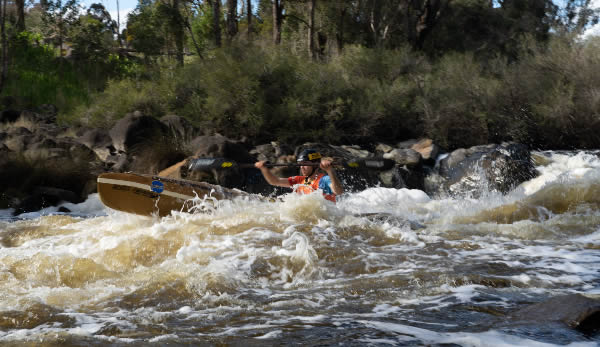
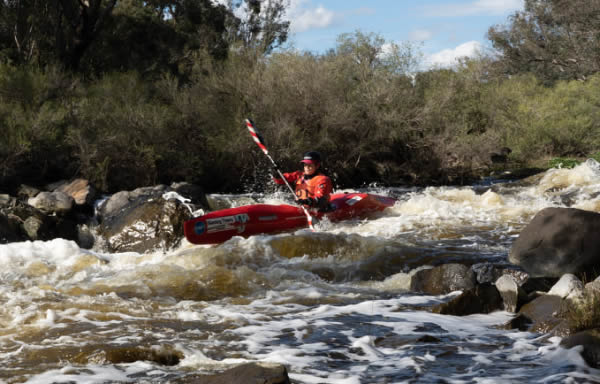
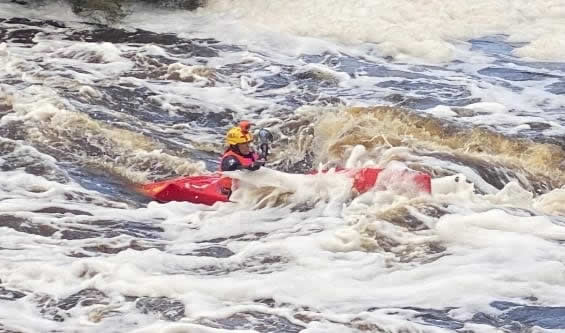
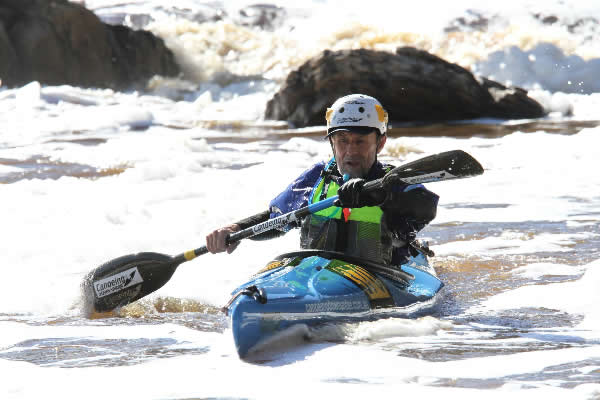
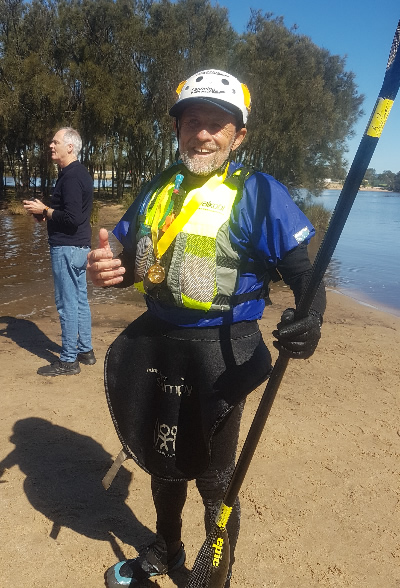
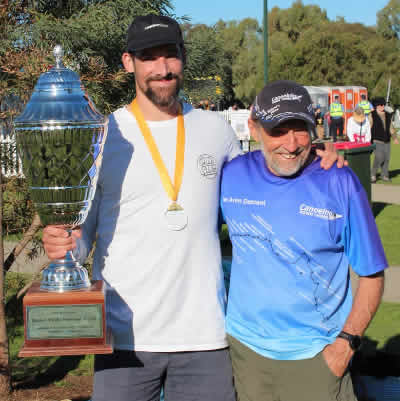
It’s been a busy two weekends. Avon Descent one weekend and the WA State Wild Water Championships last weekend. I managed to win the WW 65 plus category and the series 65 plus category so I drove home quite happy. Being 70 and still able to paddle down rapids in a Wild Water kayak (although not always elegant) helps to reassure
myself that I still have a few years of white water paddling left in me.
I still haven’t missed a day of paddling since my birthday on June the 3rd and this week I paddled 165 kms, a little less than last week due to the State Championships at Bridgetown, but I was still ahead of my weekly target.
In 12 weeks I have paddled 2326 kms, an average of 194 kms a week.
I have been a member of Paddle WA for 43 years. I have been Ascot club president, vice president and on lots of committees in that time. Back in the 70s and 80s I was part of the Paddle WA Board (ACAWA back then). Several months ago I was elected onto the current
Paddle WA Board, which overseas paddling in WA. The Board meets 10-11 times a year. The other board members are Andrew Hayden (Chairman), Ken Vidler, Zac Acott, Claire Scullin, Leonie Cockman and Amanda Simper.
I have been very impressed with their professionalism, their decisions that they have to make and the work commitment that all the board members put in to keep paddling in WA a successful recreation and sport. The chairman Andrew Hayden is amazingly dedicated and professional.
If you want to know more about the Board Members go here:
https://www.paddlewa.asn.au/about-us/#1481085638238-80f46fc5-f338
Of course all the decisions made at the meetings have to be followed through and acted upon by Rosalie and staff in the office making their workload enormous. Rosalie has been in the EO role for several years so what she doesn’t know isn’t worth knowing.
Go here to find out more about the office: https://www.paddlewa.asn.au/about-us/#1468813636048-0e21d4f8-5ce8
Of course the success of paddling in WA doesn't stop there, we have our clubs that are doing great things and all the discipline committees that organise the different races and recreational activities. Then we have all our volunteers who help to run events. But don't forget the
clubs are run by volunteers and all the different committee members are volunteers.
Compared with other states, some that are much bigger in population, WA is going extremely well, but it would be heartening to see more new members join Paddle WA.
If you are a Paddle WA member and you meet paddlers on the river that aren't members - encourage them to join. There are lots of benefits.
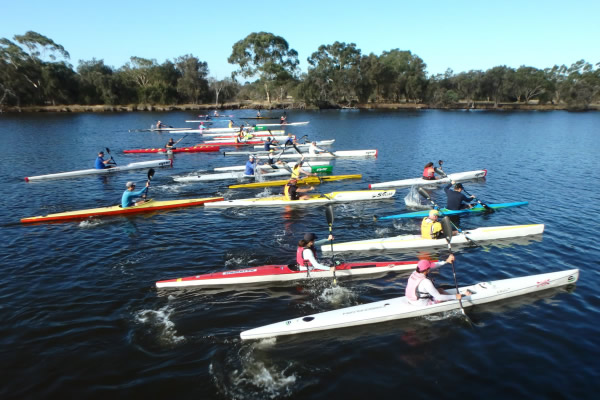
- Progressive Racing Group
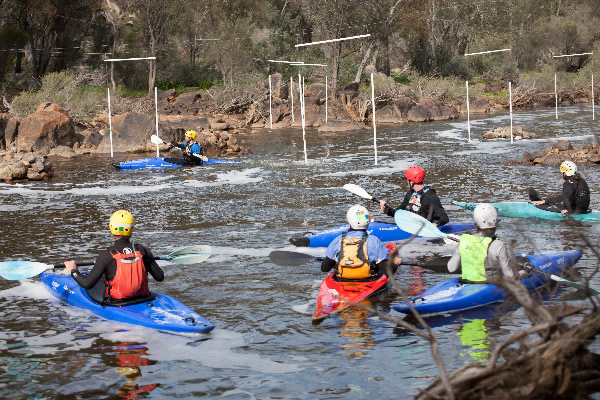
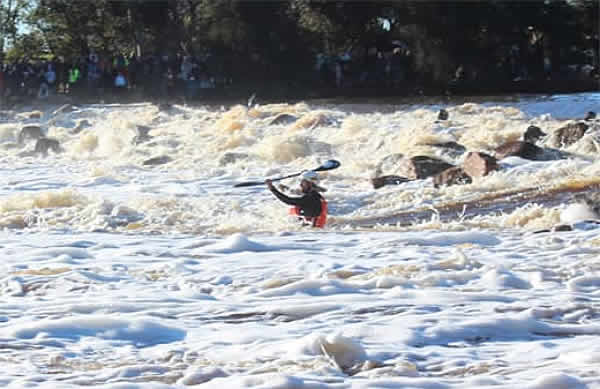
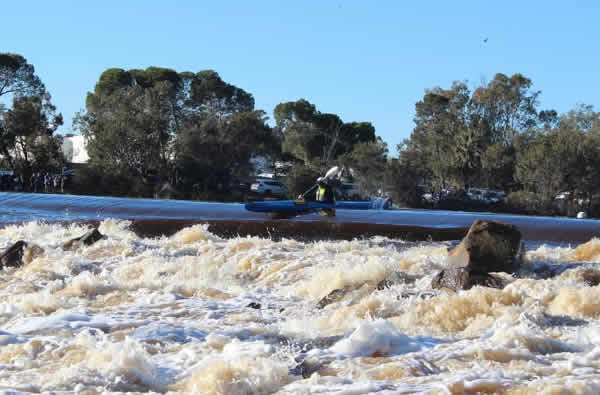
- WA Wild Water Champs
- Slalom Camp
- The Avon Descent
- Kimberley Kayak Expedition number 6
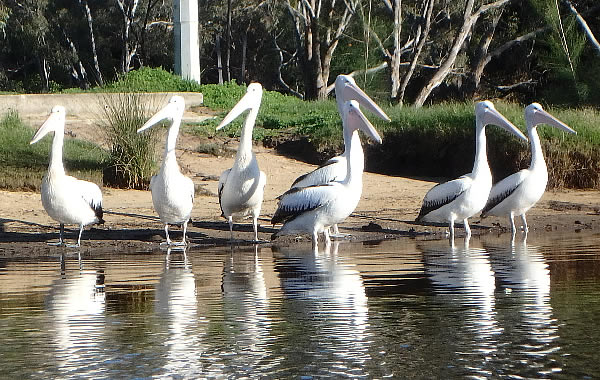
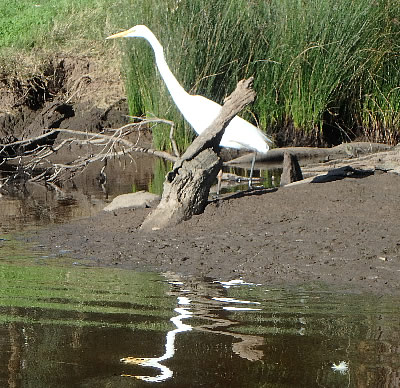
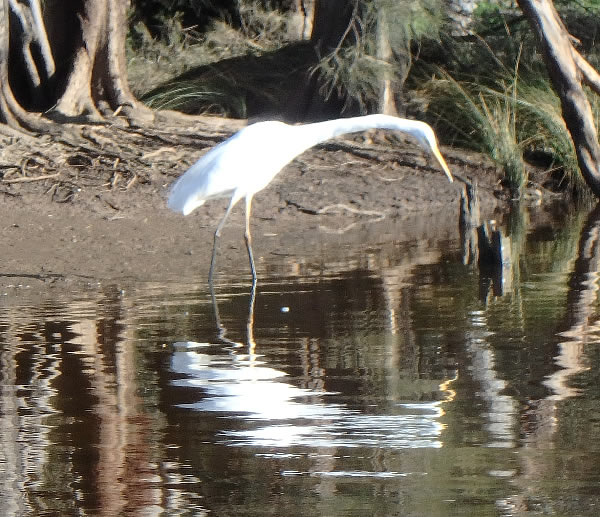
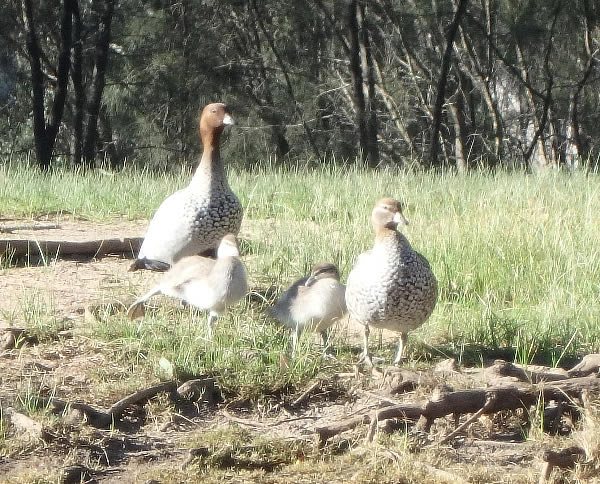
- Birds in Bassendean
- Coming Events
Progressive Racing Group
The Progressive Racing Group has had a 3 week break but we will be back this Tuesday evening if you want to join us.
New paddlers welcome.
Great for paddlers who want to increase their fitness.
It's a very friendly group.
WA State Wild Water Championships
Bridgetown
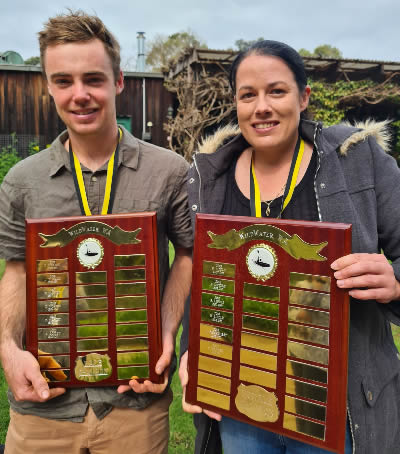
Luke Dooley series champion.
Steph Bedden series champion.
Isabel Combe the most improved paddler.
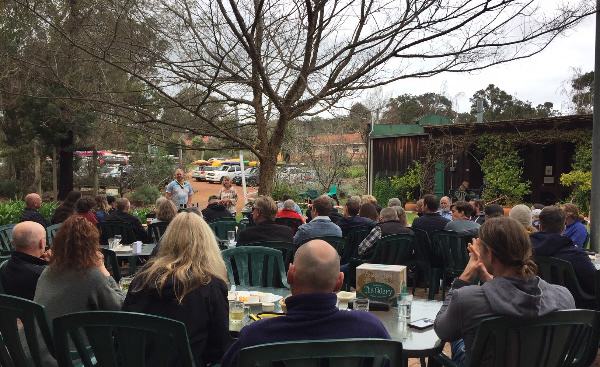
Get together, food and drink and presentation at the Cidery.
State Champions
Male Wayne Martin.
Female Jane Pankhurst.
Championship Results here:
Luke Dooley and Steph Bedden winners of the Wild Water Series.
Points were awarded over six races.
So to do well paddlers need to do the 6 races.
Series Results here:
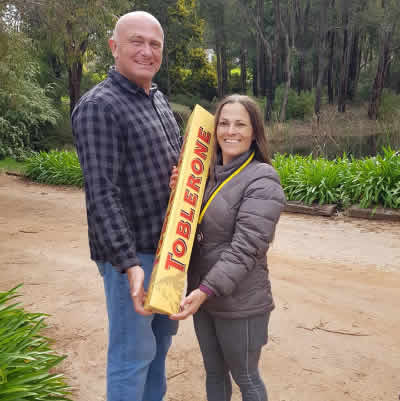
Isabel Combe wins a giant Toblerone for being the most improved.
With Geraint.
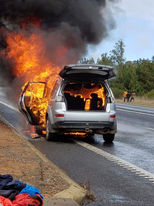
Championship winner Wayne Martin's car caught fire a few kilometres from Bridgetown. He and his wife and his kayaks were not harmed.
Slalom Camp
Registrations are open for our annual Slalom Camp at Walyunga,
Saturday 18 - Sunday 19th September.
ALL WELCOME!
The camp caters for all levels from our elite paddlers to juniors and even for adult beginners (no boat, don't worry just let us know).
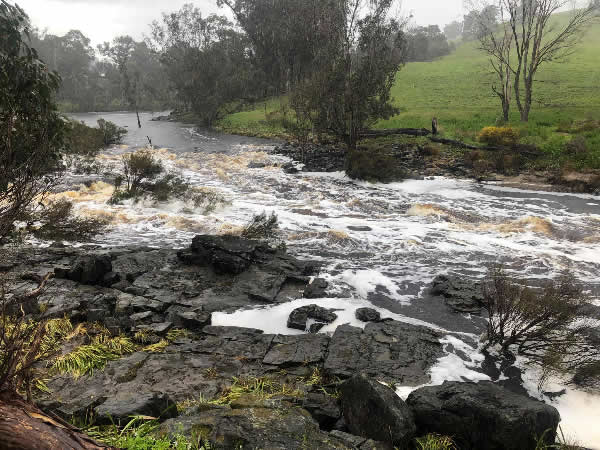
I doubt if anybody in my life time has seen the river so high for so long as it was this year. With the Avon Descent approaching it was a challenge just thinking about what the best kayak to use for the high conditions would be.
Three months out I intended to paddle a K1, then the river grew high so then I thought of going back to my Wild Water kayak, but then in that last week the river went even higher which threw another spanner in the works.
I’m not partial to swimming down a rapid and getting pummelled so I had to choose the right kayak for the conditions. With the high water I could see this happening to some paddlers in K1s and tippy skis. I didn’t want to be one. I wasn’t sure if I could get through all the big rapids in my Wild Water kayak so I decided to be on the safe side and paddle a
stable plastic Ace 415 which was 4.15 metres long. So far I have paddled 27 Avon Descents, 20 in a Wild Water kayak, twice in a double kayak, three times in a C1 and twice in a K1.
20-25 years ago the 415 and kayaks like it were the most popular kayaks in the Avon Descent especially for novices but then longer more unstable craft came on the market and they became less popular. Unfortunately the short plastic class has now been dumped which was certainly a bad move as the short plastic class was the novice pathway into the Avon
Descent. Novice paddlers now have to get accustomed to paddling more unstable craft and falling off at most rapids instead of learning to paddle properly in something more stable.
Because I did the seeding races I managed to get a spot on the front grid with all the younger, fitter, faster K1 paddlers. So when people saw me lining up on grid one in a 415 most must have thought I was on the wrong grid and probably laughed at the thought of me keeping up with the others on my grid. The funny thing was there were at least 5 paddlers on that
first grid who capsized at Northam Weir, including the first and second places.
So when the hooter sounded at 8.30am the Avon Descent chairman and starter Greg Keading said Bionic Bolland is away. (I got that nickname way back in 1979 when I kept paddling for 24 hours and paddled 220.8km in the 24 Hour Marathon. Money raised went to Telethon). I was away but Josh Kippin, Brendan Rice and all the other fast paddlers were gone although
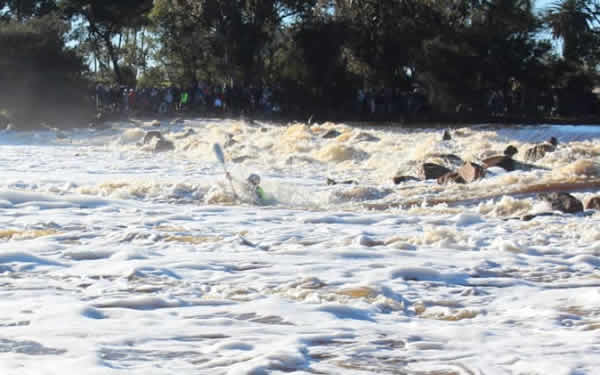
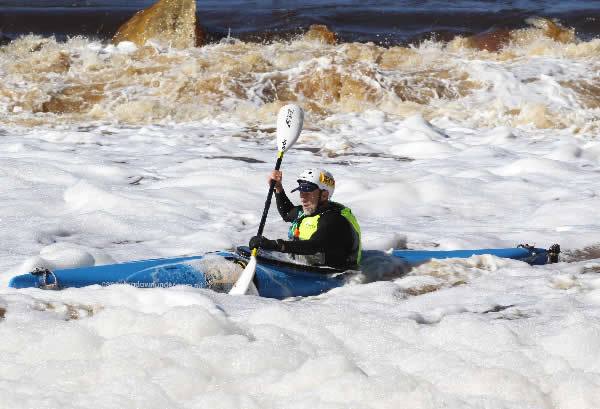
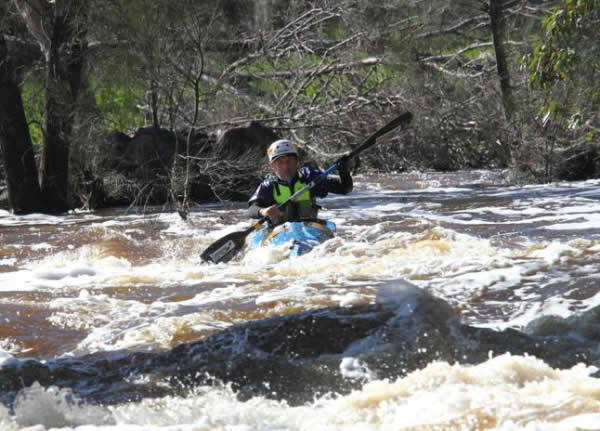
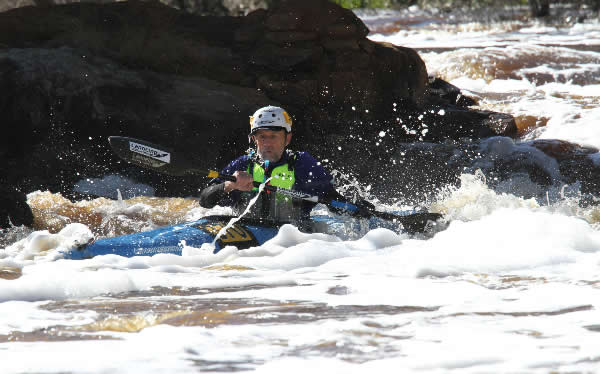
Jane, Nina and John Hilton were not quite as far ahead. So by the time I got to the weir I had it all for myself, however although I was ready for a splash in the face I didn’t expect the stopper being so aggressive making me to do a quick support stroke. Two paddlers, Jane Pankhurst and Travis England were on the bank emptying their boats and I didn’t realise at the time that Josh Kippin, Brendan Rice and a couple of others had also capsized.
Josh Kippin paddles down the Northam Weir first and he and 5 others on the grid capsized at this point which was very unusual.
Photo Jane Dooley.
I was last on my grid down so no one was in my way.
Photo Jane Dooley.
I nearly get lost in the stopper.
Photo Jane Dooley.
A little later Matt Coutts, who was on grid two paddled by me and asked if that was Luke on the bank emptying. Then Travis England came along side Matt and said, “no it was me”. They both took off like rockets. I slogged on for some time with a few faster paddlers passing me which was expected. I however was making good time and when a green Finn Multisport kayak
passed me I got on its wash and pushed on a little faster.
My ride came to an end at Katrine Bridge where we had to portage over the road and I was quicker. I weaved through the trees back into the river and powered on towards Glen Avon Rapid. Several of the faster Wild Water kayak paddlers passed me before it. With high water Glen Avon Rapid was less of a challenge. Then it was back to faster water until I reached the
long pool before Extracts Weir.
I had checked the weir out the previous day and decided a line on the left would be the safest route to take, so I took it and it was easier than I imagined it would be. With the last real obstacle out of the way it was a bit of a slog to the T trees. Here I caught up with John Hilton and Kiera Albertson caught up with me. As we entered the trees Kiera went right
and I went left but Kiera’s way was quicker. I only saw her in the distance after that but I kept in front of John Hilton. I fled through the trees at a good pace and lost little time on the faster boats and arrived at the finish of day one taking 3:52:53. Josh Kippin, the fastest single took 3:05:20. Peter Tomczak was the first Wild Water Kayak taking 3:35:03.
Alaine, my support person had food and drink ready for me a little after I finished day one. I didn’t stop in the race to eat anything so I was looking forward to some chips.
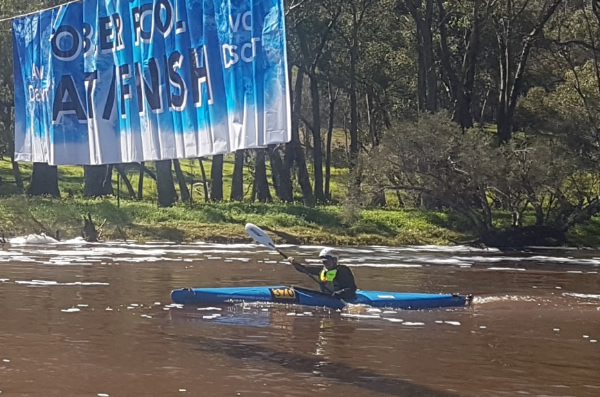
After paddling down Extracts Weir.
Day Two.
Usually we arrive at Cobblers Pool in the dark but with it being a week later than usual it was light when we arrived which was a bonus. It had been so difficult finding the grids for day 2 many paddlers didn't know when they were off.
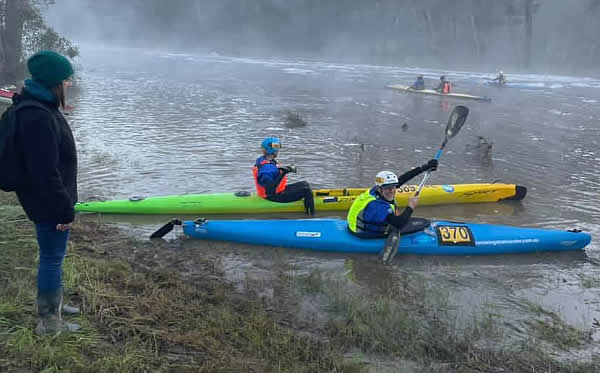
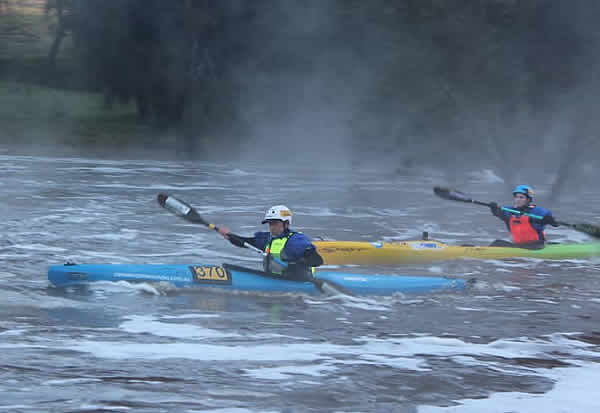
I was off on grid 14 at 7.13am with Kiera Albertsen, John Hilton and Luc Jacob from a team of two. We didn’t have long to get ready once we were allowed on the water and because the water was running fast it was impossible to have a standing start.
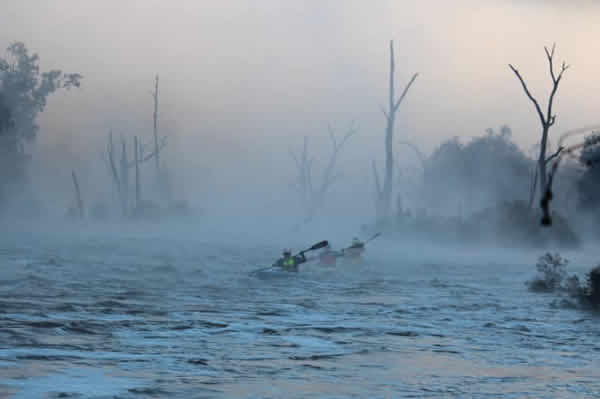
We took off and the others were happy to let me lead through the T trees. It was foggy so it was hard to recognise some sections but it worked out and I followed the route I wanted. Once through the trees and Posselts Ford, which was easy, Kiera passed me and led down Super Chute.
Day Two Start.
Photo Ping
Leading grid through the trees and Posselts Ford.
Photo Jane Dooley.
Kiera passes me and I never see her again. She is a good paddler and is always on the podium.
Photo Jane Dooley.
The fog was quite thick so it was difficult to see too far ahead. The first few rapids were washed out but when we arrived at Narrow Neck the big stuff was about to start. It was raging. Kiera was well ahead by now and although the water was lower than when we paddled it on Thursday I took the same line on the left. A paddler was capsized on the right and when I left the raging rapid and rounded Quarry Bend I saw Steve
Stasiuk and Nathan Jamieson on the bank. They shouted to me as I was swept downstream but I didn't catch what they said. They later told me that they had lost their double kayak but luckily after some time and about to give up they found it.
At this stage there wasn’t anyone around as Kiera had sped off. Razorback 2 was the next big rapid but Rice Pud and Stodgy Porridge before it created some big waves. Razorback was testing especially with the fog being so thick. Emu Falls, although it had some big waves I felt was easier than Narrow Neck although several paddlers had difficulty
and two were being capsized by the big rock below the Washing Machine when I went by. Another was swimming and I saw two paddlers portaging.
The fog started to lift which was appreciated, at least I could now see what was coming up. Just under a kilometre before Deadly Mistake and Raging Thunder Grant Pepper paddled by. He must have capsized earlier as he took off before me. We had our usual banter before he sped off. Grant was about 100 metres ahead as we approached Deadly Mistake
Rapid. He paddled to the left but when he hit the waves further down he capsized and then started being swept down Raging Thunder which was a little more forgiving. I had the ability to move from the left to the right side to avoid the big waves. I was in the perfect kayak to dodge and skirt the big stuff. As I paddled down Raging Thunder another paddler was just getting back on his ski. Grant was swimming with his kayak heading down before him. I asked him if he was okay and carried
on.
A paddler passed me just before Accelerator, a 200 metre rapid which is always a challenge at a lower level but it was much angrier in this water level. He didn’t quite get to the end before falling off. He was soon back on his ski though. Again I was able to cross over from one side of the river to the other to hit less
waves.
I took the left route at Moondyne which was quite easy and headed to Easy Street where I took the middle route. The paddler in front had taken Easy Street which was on the right. I noticed two other paddlers, Jane and Nina going the same way. My way was quicker so the others joined the main river behind me.
Jane Pankhurst and Nina Mueller came along side. Jane I think had had some trouble and Nina who caught her up had decided to stay with her. (It did however cost her a third place as she finished up being 6 seconds behind). We virtually went down the Wall rapid together. Once we hit the pool before Hart Farm they took off.
I passed the teams change over with cheers from the bank. From here there were several kilometres of easy water as most of the rapids were underwater until the Black Hole. I took advantage of this flat water to eat a portion of rice. I carried it in a clip-seal bag and ate four mouthfuls just to keep my energy levels up.
At the Black Hole I noticed a double heading over to the right but it soon switched towards the left when they realised the Black Hole was on the right. Another single followed them, but capsized. I kept close to the bank which helped me to avoid most of the huge waves. A little downstream Ron Clarke was on the bank recovering from a
capsize and putting his split paddle together. I would see him on the bank 3 more times before Bells.
I slid down Spinning Moon Rapid and sped on to Heart Stopper, another big rapid, but with the water being so high it was just about washed out.
At the Lookout Rapid I could see paddlers in the distance. Although it had some large waves I found it easier than when it was at normal height. Brett McDonald wasn’t so lucky he was on the side of the bank. He had started 8 minutes in front of me so I was more than pleased when I passed him.
By the time I arrived at Championships Rapid I wasn’t far behind Warren Southwell. We slid down the left side and then at the corner before all the waves and stoppers Warren decided to slip through some trees to cut the corner, but being sideways and not quick enough to get through the gap, he got broadside in the trees. I eddied out after the trees to see how he was.
He was swimming which meant he was okay so I turned and paddled through the large waves and stoppers to see Kylan who was also swimming. Kylan was paddling my K1 kayak that I lent him. I had sponsored the same kayak to John Wilkie, Josh Kippin and Coran Longwood so it should have known its way down.
Redback Run was washed out so the next big rapid was Syds. I had paddled the valley on Thursday and checked Syds out. Because it was much higher and we were in a group we decided to portage over the island. With the water level lower and the fact I was on my own I decided to take the left usual route. There was a big stopper at the Messy Middle so I kept to the left
and avoided most of its power. A couple of boats had capsized but I went through without a hitch. Although I never felt threatened in my kayak I rejoiced after paddling Syd’s because I knew the rapids ahead wouldn’t faze me. Apart from Walyunga and Terminator 2 there was only Bells Rapids and if I paddled it on the left side, like I did on Thursday there was little chance of capsizing. The only issue was that the water level had gone down and I didn’t really know if it was still doable.
Derek Klompmaker and Mellisa Pizzuto caught up earlier and they looked like pros in their double plastic kayak, which was two Finn multisport kayaks welded together.
In the trees before Walyunga there were a couple of boats wrapped around trees at the top of the Pebble Race. I slipped through Walyunga without many people noticing and headed towards my last real rapid, Bells. Grass trees were in huge numbers along the right bank which could be seen easily as the forest had been burnt out.
As soon as I approached Bells Rapid Dave Boldy was telling the crowd about me. I think the crowd wanted me to head down the centre through the stoppers to see me capsize but I had other ideas and paddled the left route, which I had done on Thursday and it went without a hitch.
I cleared Bells Rapid feeling good. All I had to do now is paddle 30 kms of flat water to the finish line. I scampered towards Upper Swan Bridge at a good pace and was passed by Brett McDonald just before the bridge where he pulled in. I followed, Alaine gave me a banana and I changed paddles and I was off for Brett to pass me yet again a little later. A few
paddlers passed in those few moments including Ron Clarke who I saw again off his craft inside some fences near the end of the T trees. He soon caught me up and sped off on his fast ski.
Leaving Upper Swan Bridge where I changed my paddle and grabbed a banana.
When Simone Wilson caught me up with 9 kms to go we shared wash riding.
Photo Jo Ward.
Even being in one of the slowest boats on the river I was still doing about 13 kms an hour as I headed towards Middle Swan Bridge. Jane Pankhurst and a little later Nina Mueller passed me on this section but no one else was in sight. I cleared Middle Swan Bridge with cheers from the bank and started my last section to Bayswater still doing between 12-13 kms an
hour.
I paddled as far as Barkers Bridge before Simone Wilson caught up. She passed me and I wash rode her for a short time. She eventually got tired so we changed places and continued to take it in turns at the front. Matt Jones in a K1 flew by like we were standing still. He was in a team so
he was fresh and in a fast kayak. When we passed the crowds at Ascot Kayak Club it was a good feeling as we were only 3 kms from the finish line. Then at Tonkin Highway Bridge Derek and Mellisa started sneaking by in their double kayak. Simone latched onto to their wash and I got onto Simone’s wash for the last ride to the finish. We finished in a line Derek and Mellissa, Simone and then me. In the last 30 kms only Jane, Nina and Matt had passed me, which was so strange - where were the
other faster paddlers?
It was another great Avon Descent, however information coming from the organisers wasn’t good and need to be looked at. There were lots of complaints from paddlers. There isn’t even a phone number on the Avon Descent webpage!
Many thanks to the many volunteers who worked so hard over the weekend.
And many thanks to Alaine for being my support crew and everyone who cheered me on.
With the champ Josh Kippin.
Photo Jane Dooley.
KImberley Kayak Expedition
Number 6
Wednesday
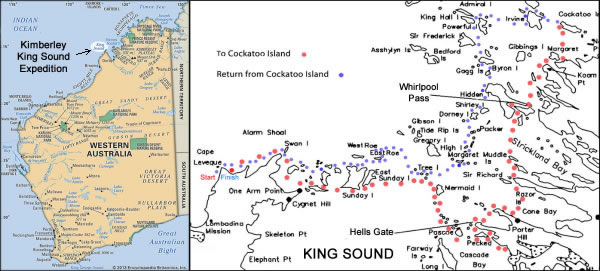
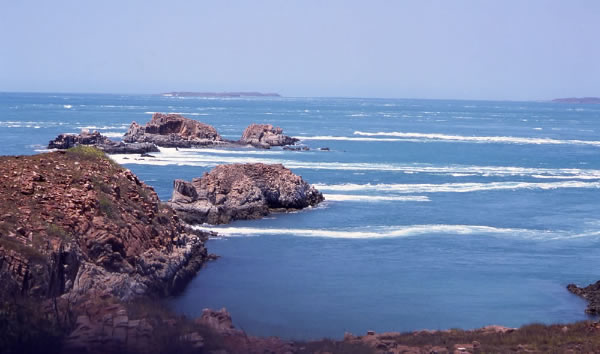
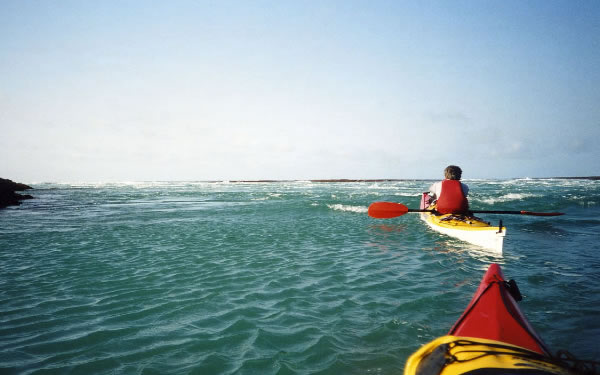
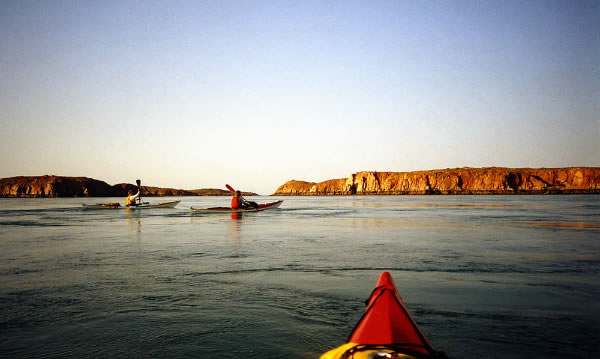
It was another early 4.00am start. The team was ready early as we were keen to get going. We paddled from our beach at 5.20am and waited beyond the shallows watching the water rip through the islands and across the King Sound with enormous power and speed. It was like watching a grade 4 rapid.
We had banked on leaving by 6.30am, but the current was so fast and the water so turbulent that it was impossible to leave our island making us prisoners for a while. We sat in an eddy and as we were eager to leave I paddled into the fast current to see if we could make headway. It was too wild so I ferried back into the eddy and sat with the others. I waited for a few more minutes and paddled back into the current again but it was still too powerful. If we tried
to escape the island at this time we would probably be washed into the islands and rocky reefs, so we waited longer. On the third time out the current had eased enough and I was happy that it was safe enough to leave. I had to be sure though, because ahead we had 13 kilometres of swift currents, waves, standing waves and overfalls to endure before we reached the safety of East Roe Island.
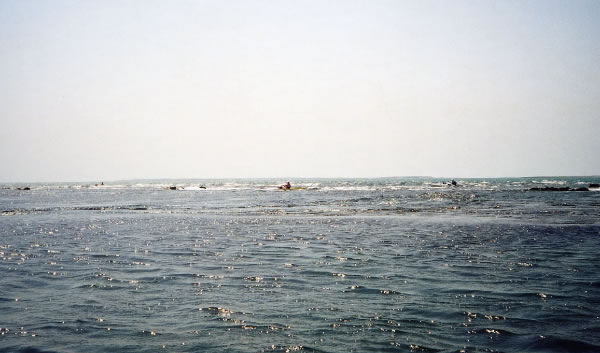
The white water of the swift currents stretched for kilometres across the King Sound. We had no choice but to do a big 13km ferry glide across the King Sound
Going by our tide chart it was only 30 minutes from the change in tide, however the outward current was still travelling at 10 – 15kms an hour, but we needed to go or we wouldn’t make it to the other side of the Sunday Straits before the inward tide turned and got too powerful. Pam had been concerned about the crossing all night. Understandably really as it was the day
of the highest spring tides in the year and the tides in the Kimberley are the second highest in the world attaining more than ten metres in height and current speeds not seen anywhere else in Australia. Crossing the King Sound would be like ferry gliding across a swift river, 13kms wide.
We waited in the eddy and every so often I would paddle into the current to see if I could paddle against it.
Waiting for the tide to ease a little. It was the highest and most violent tide of the year.
I led the team away from the island ferry gliding against the current as not to lose any ground as we had several small islands and reefs to avoid. A mistake in those first few minutes by any of us could mean being pushed into the rocks and suffer severe physical injury or even death. We made little headway as our boats jumped about like corks being tossed in a tumble dryer.
Gary, Tel, Don and myself took off one after the other but Pam and John were delayed for some reason, so we drifted apart. Being an experienced paddler John’s job was to bring up the rear so he never took off before every paddler was mobile. Downstream of us the water was pouring over the rocky reefs. It was such a mess and although we were well away from the reefs we were drifting towards them very quickly. Gary, Tel, Don and myself cleared them, but Pam was
getting a lot closer than we would have liked. John was even closer, but he was positioning himself in a place to help Pam in case she got into trouble. We urged them on.
It was difficult to wait in such a swift current, but after slowing down our ferry glide we eventually managed to group together. When we all cleared the ‘Tree Island’ reef area the water calmed, but it was still swift with overfalls waiting. The calm didn’t last long as we came to another disturbed area. Our boats were again thrown around and our target was slipping away from us as we were being swept out to sea. There were lines of overfalls to our west which
looked very threatening, but the current was pushing us north of them.
The wind was getting stronger which didn’t help us any. Pam was lagging a little and we seemed to be getting closer to Gregory Island to our north rather than to East Roe Island to our west. That meant that we were really being pushed in the wrong direction. But if the tide goes out it’s got to come back in, so we had nothing to fear! I have crossed the King Sound five times before and it always put up a great fight. It hadn’t disappointed me today.
We were now about 4.5kms from East Roe Island and sliding further away despite us paddling hard to reach the island. Pam wasn’t quite as fit as the rest of the group, so every time we slowed to wait we slid away a little further. We struggled on getting nowhere and hoping the current would ease. Then at last we started to make progress, although it was at a snail’s pace, but when it seemed that we were going to miss East Roe Island we changed our target and headed
towards West Roe Island.
We managed to claw our way back to within a kilometre of the West Roe Island but then the swift incoming tide started pushing us away from the West Roe Island and back towards East Roe Island. In one way this was good, but we had to be careful not to get pushed passed East Roe Island and back into the King Sound, so we put on the pace and managed to get close to shore and into an eddy at the north end of East Roe. Pam had been the most challenged throughout the
last half of the paddle, so she was most relieved to be in an eddy.
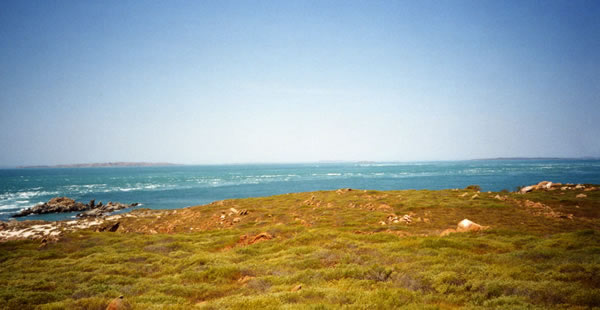
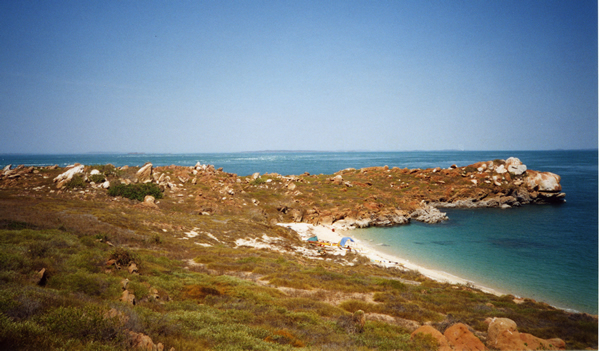
We moved to a beach in a small bay around the corner. It had no shade from the burning sun, but it was a great beach and we were able to cool off in shallow water. I walked to the north point of the island, passing two eagle nests, to look out across the Sunday Straits and King Sound from where we had come. It was still full of overfalls and waves.
The current streaming by East Roe island and into the King Sound when we arrived.
Back at camp we played ball in the water, tried fishing without any luck, relaxed and I wrote in my diary. We finished off the day by drinking a little wine, eating tinned oysters, watching the tide race by and a bush curlew and 2 oyster catchers feeding in the shallows.
Camped on East Roe Island.
Thursday
It had to be a 4.00am start. We were ready before the sun came up so we waited for the light. The current was already racing, and I mean racing, but at least it was to our advantage. None of the crew had seen the current run as fast as it was running here and the channel between East Roe, our island and Sunday Island was over two kilometres wide. It was hard to believe that it was the ocean. With the rapid current flying like the wind, the crossing to Sunday
Island was going to be pretty exciting. It was also going to be difficult and it was most certainly a dangerous place to paddle, as with one slip anyone of us could be washed away. We had a last minute briefing so everyone knew what we intended to do and where we were headed, just in case we got separated.
We moved into the big eddy of our bay and lined up close to the eddy line. The water was racing at least 20kms an hour, it could have been more. Don, Tel and Gary weren’t experienced white water paddlers and having white water skills would certainly be an advantage in the next few minutes. I led the way by doing a break-in into the fast current. Don, Tel and Pam followed without incident but when it was Gary’s turn, he faltered and got swept back into the eddy.
Meanwhile we were being swept away at a very fast pace. By the time Gary managed to get out of the eddy and into the current we were probably 500 metres away. From that distance we could see Gary trying his best to get out of the eddy. At last he was successful and Gary was on the move, with John following him. For this sea kayaking trip you really needed to be a white water paddler and with Gary’s limited experience in white water it started to show.
Our aim was to ferry glide across to Sunday Island and then use a series of islands to move safely into a channel and then paddle on the outgoing current to Swan Island where we would be out of the fast currents of King Sound. Unfortunately Gary and John, who were still well behind, didn’t seem to be ferrying across the swift channel on the same path as we were taking. I became quite worried as it looked as if the current was going to sweep them between West and
East Roe Islands. If that happened the team would be split up.
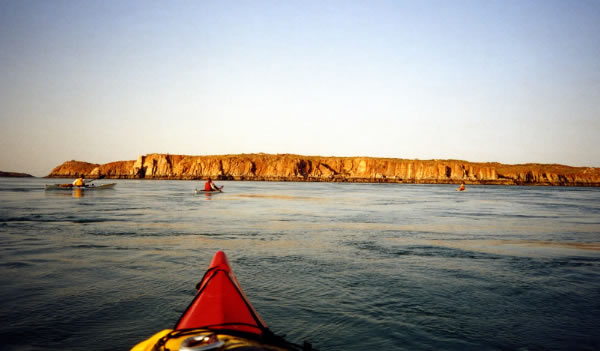
The cliffs of Sunday Island were quite stunning with the sun shining on them but it was hard to take in their beauty when we were performing an amazing ferry glide and watching John and Gary trying hard to power their way towards us. At last we could see that they were making headway and began to get close. Don, Tel, and Pam managed to get out of the current and into slow water near the end of Sunday Island where they waited for John and Gary. I took photos of the
crossing where it had calmed. It was good to see them make progress and to be teamed up with them again. We were all so excited about the crossing as we had just been through another unbelievable experience.
Crossing over to From East Roe Island to Sunday Island on a very swift current.
Crossing over to From East Roe Island to Sunday Island on a very swift current.
The cliffs of Sunday Island.
We ferry glided from Sunday Island to Pooingin Island and then across to Salural Island. It was good fun and it was a lot easier than our last two big ferry glides but we still had one more big ferry glide to do to ensure we didn’t get washed out into the Timor Sea. To ensure our safe passage we needed to be close to the Apex, Talboys and Howard Islands, these were the last ones before leaving the
huge currents of the King Sound and only a few kilometres from the safe haven of Swan Island.
Rounding Swan Point and fighting the currents.
At last we paddled between the mainland and Swan Island and found a beach on the Island to camp for our last night of our very enjoyable trip. It had been such a wonderful journey and it was great to share it with others.
For me the Kimberley and it’s amazing features wasn’t new as I had paddled around it’s coastline for over a year, but for the rest of the team it was new and I can guarantee they will never forget this stunning area and the white water experience they had.
It was hot, we relaxed and went swimming in the clear water off our beach. Pam, who had been afraid of crocs and sharks when we arrived, was now snorkelling further from the beach than any of us dare. Somehow along the way she had lost a few of her fears.
Friday
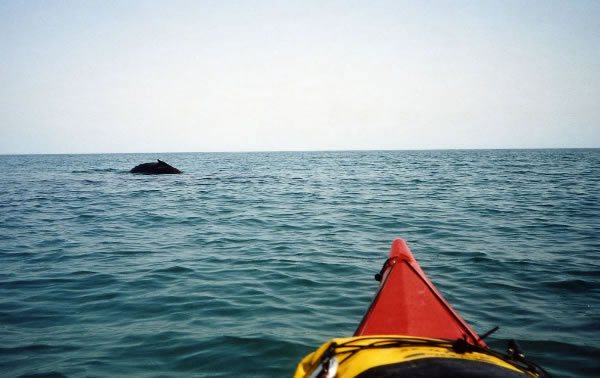
With only a few kilometres to go to finish our journey we took it easy and as we approached Cape Leveque a whale slid passed us. It was a fitting end to a journey that you could never do in any other part of the world.
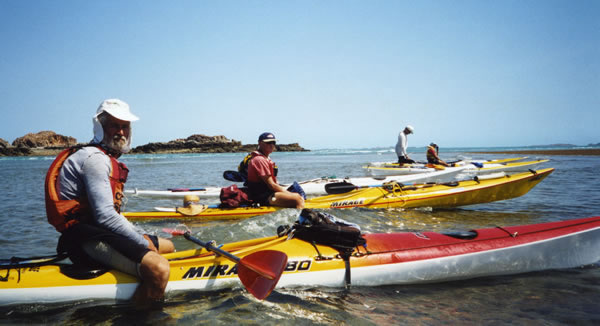
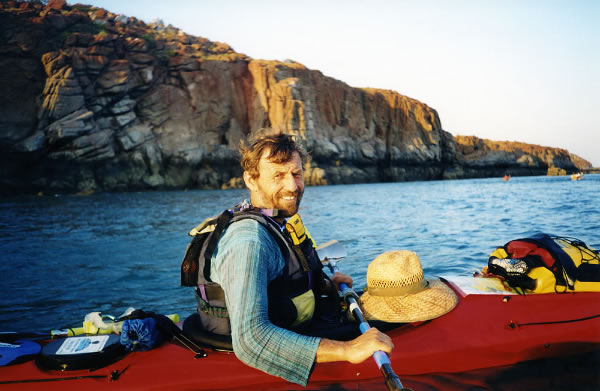
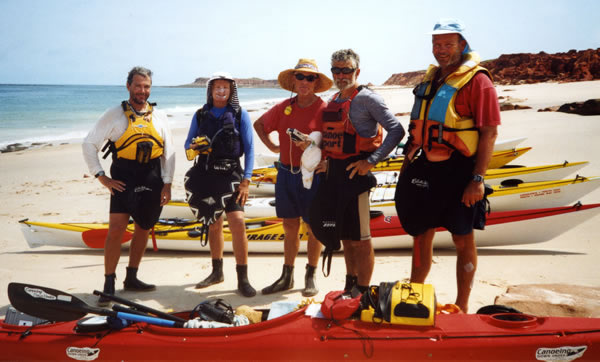
The Team. Gary, Pam, Don, John and Tel.
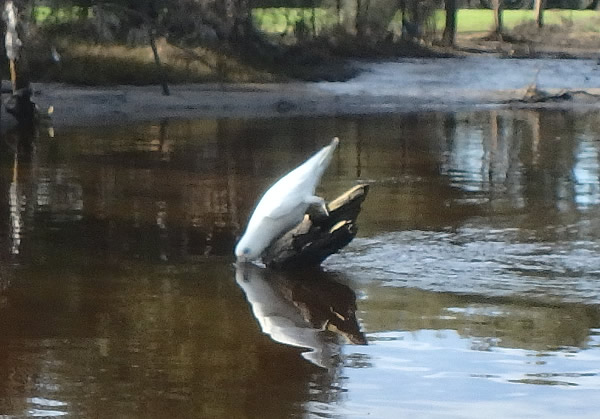
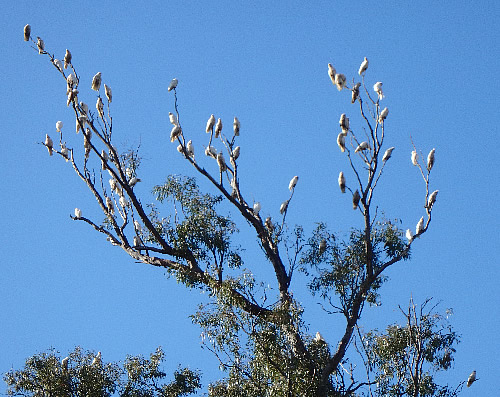
A white cockatoo takes a drink.
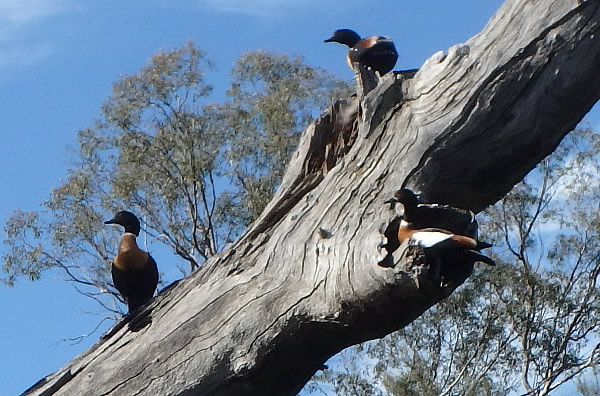
Shelducks having friends around.
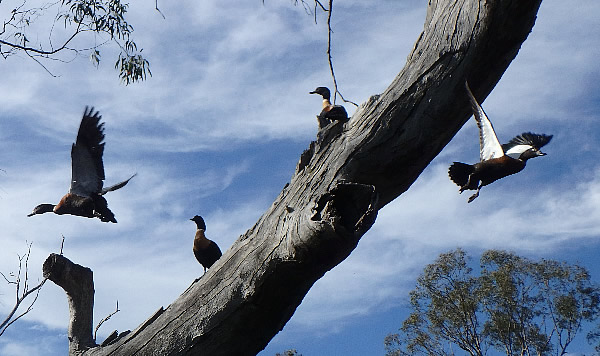
Okay guys line up for the next race.
I wonder what's down there.
Australian Wood Ducks - only two chicks left.
There are a lot of ducklings around at the moment.
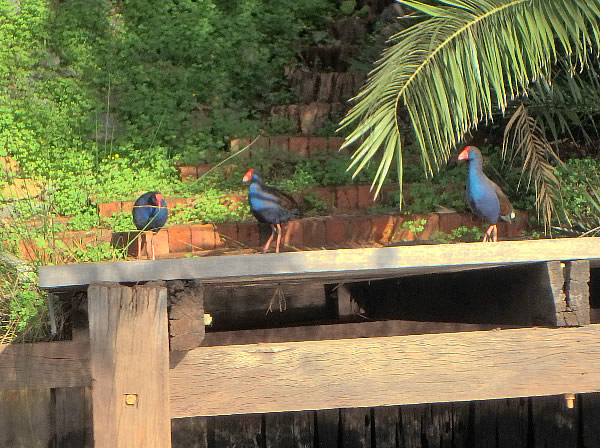
Swamphens happy not to be in a swamp.
A meeting of the 3 Clans.
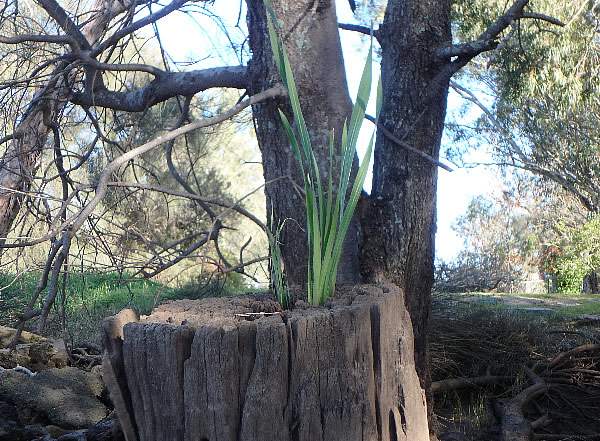
A plant can grow anywhere!
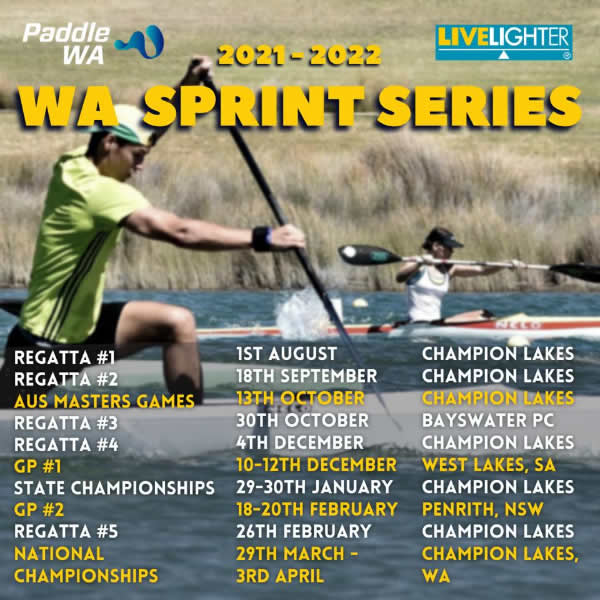
Paddle WA LiveLighter Sprint Canoe Regatta #2 2021/2022 Season
Champion Lakes Regatta Centre Saturday 18th September First Race 8am
Entries close Saturday 11th September Midnight. Late entries until Wednesday 15th September will attract and extra $20 fee
This is a division-type race with athletes seeded for grids for singles and doubles racing (maximum of 4 races for the day)
There is NO FEE for entries prior to 11th Sept if you entered the cancelled Regatta #1. Athletes in Regatta #1 and NOT Regatta #2 = refund to follow
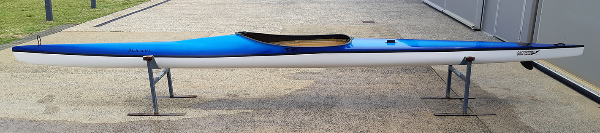
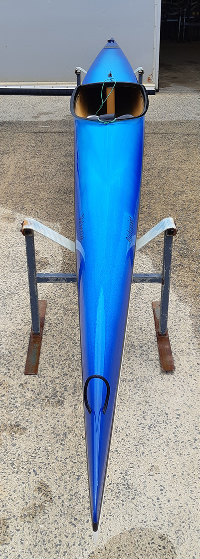
Alchemist K1 Kayak
(large version)
Near New
$2300.00
A great kayak
Contact Roberto Bonomo
rbtgdm@gmail.com
0449 983 718
|
|
|
|
|
|
|
|
|
|