|
|
|
|
I finished up paddling 155 kms this week, which is my third week of paddling a minimum of 20kms a day. This brings my total to 514 kms paddled in 3 weeks. (An average of 171 kms a week.) So I'm nearly 100 kms ahead of my target but I will need those kilometres in the days I won't be able to paddle.
It's going to test my resolve this Sunday when I race 26 kms in the Upper Swan Marathon without any rest in the days leading up to it. Hopefully I will pull up okay.
- Paddle Rain, Shine & in the Cold
- WA State Slalom Course
- Slalom Course Launch
- Ord River
- Wild Water Upper Swan T Trees
- Kimberley Kayak Expedition 2
- Rebuilding of the Sandy Beach Jetty
- Birds on the Belmont Shores
- Avon Descent Competency Assessments
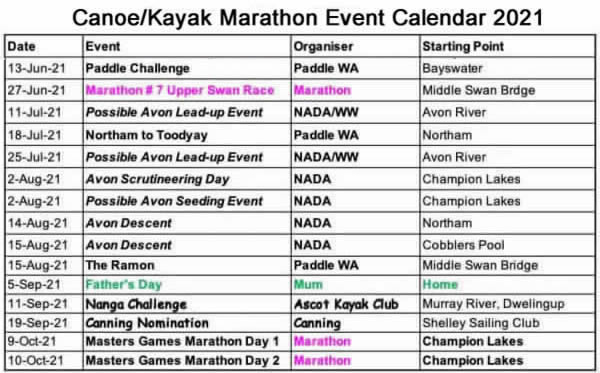
- Coming Events
- Products V9, V14 & Paddles
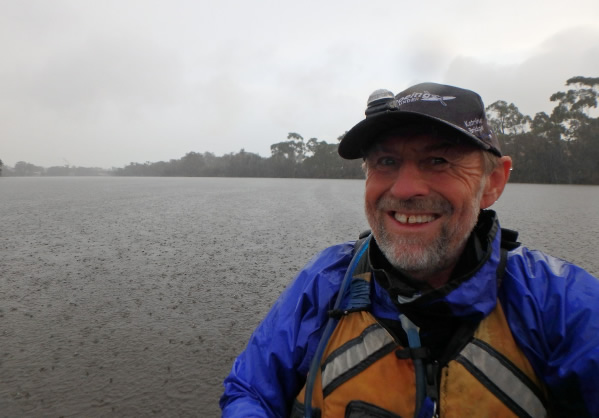
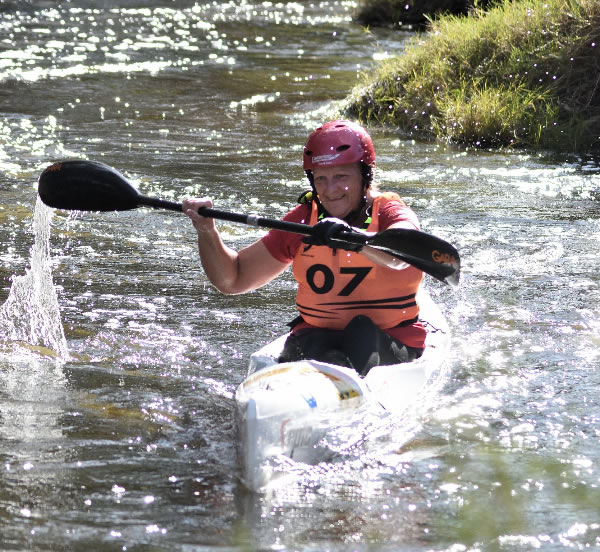
Sun, rain, wind or cold I have to go out and paddle my allotted kilometres.
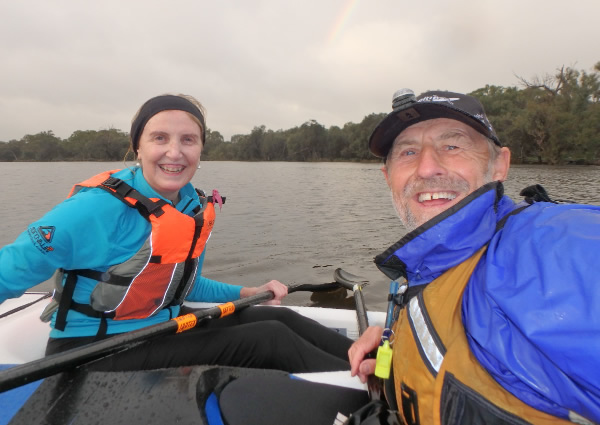
When I thought no other paddler would be out when a storm was going through, I met Jo Ward battling against the wind and rain.
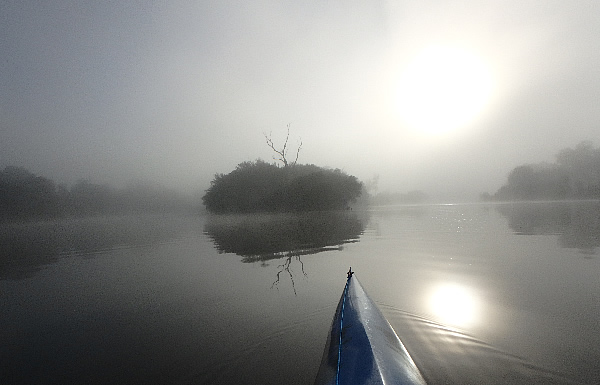
Heading towards Ron Courtney Island.
It's been really cold this week.
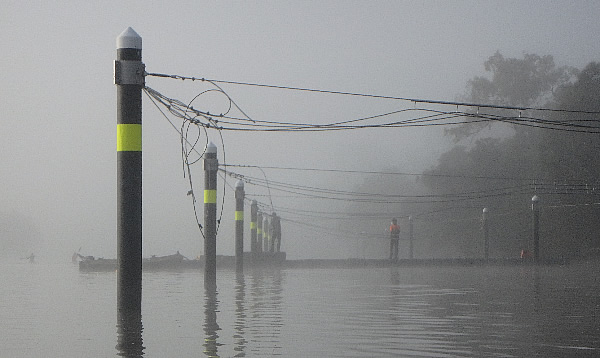
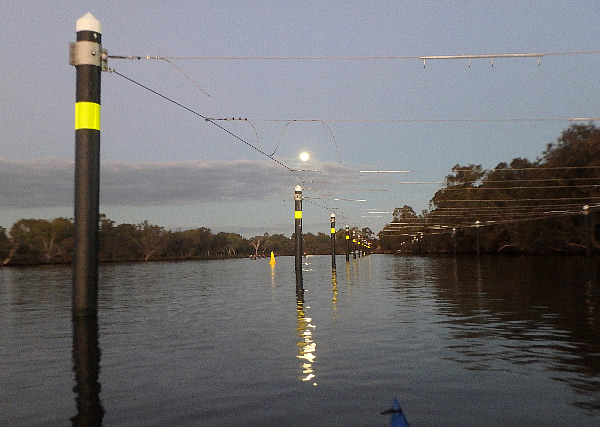
The WA State Slalom Course
is getting closer.
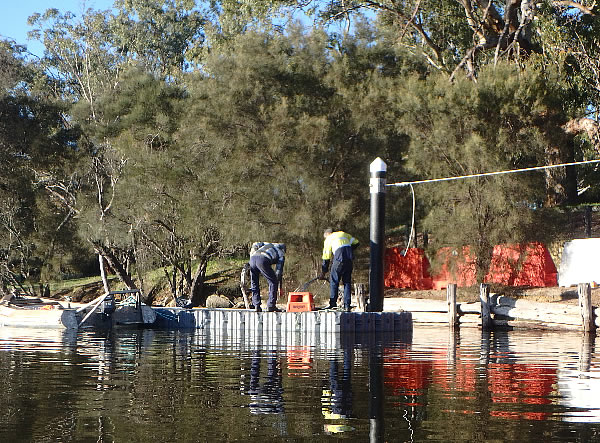
Workmen put up the first cable.
Cables are first put up from post to post around the outside.
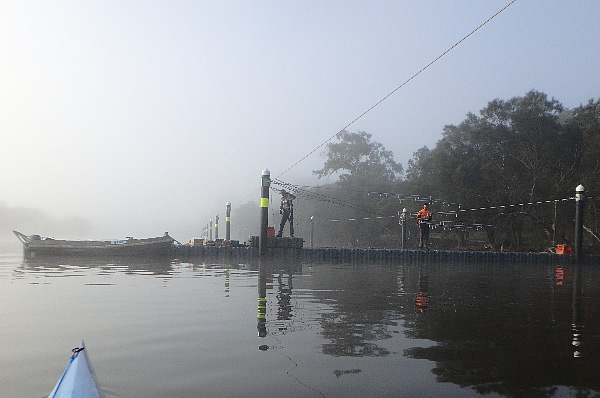
The workmen were working with steel cables on this really cold morning.
Cables were being strung from post to post across the river.
Four other cables are attached to be strung later.
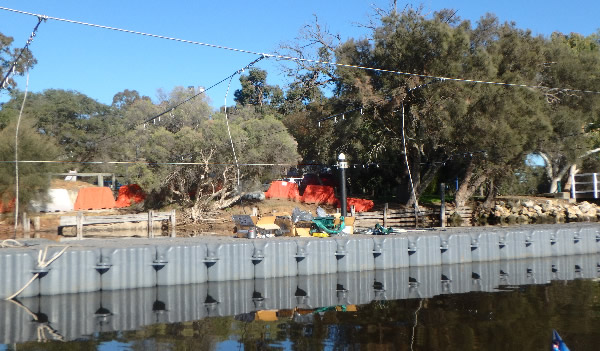
The for cables are now strung from the outer wires between the posts.
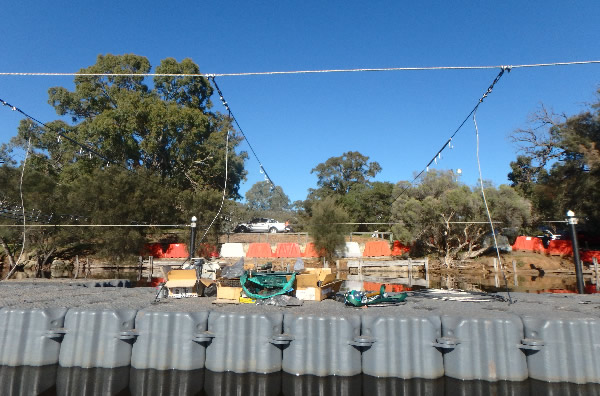
On each cable there will be two hangers that the poles will hang from.
There will be about 50 cables with two hangers on each cable so there should be about 100 hangers to hang the poles from.
There is going to an enormous amount of scope to create hundreds of different racing courses.
The full moon last night.
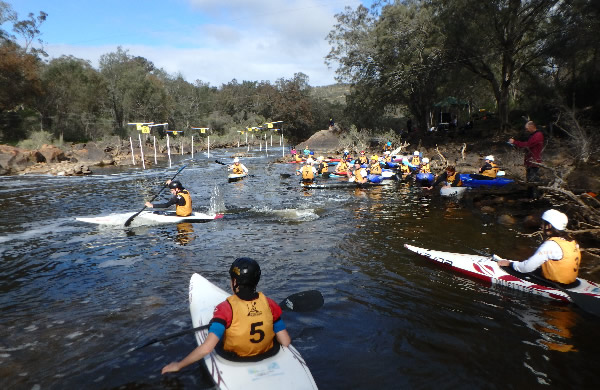
This white water slalom course is at Walyunga National Park that is used in winter.
LiveLighter Slalom Winter Series #2
State Flatwater Slalom Course Launch
Saturday 3rd July | Ascot Kayak Club
WA's brand new State Flatwater Slalom Course has almost finished construction, and what better way to celebrate it than an official launch!
The official opening is on Saturday 3rd July at 10am and we would like to open invites to the WA paddling community.
If you would like to attend, please email paddleacademy@paddlewa.asn.au to register and an official invitation will be emailed to you.
Lake Argyle / Ord River
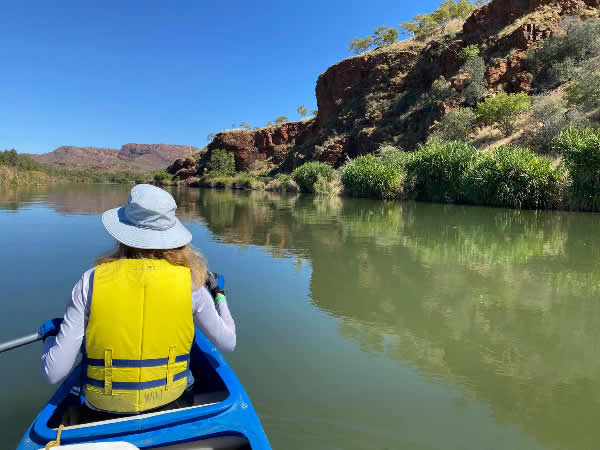
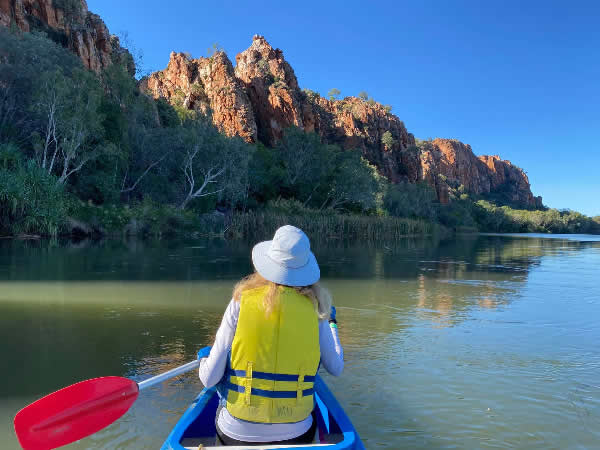
with Darryl Khng and Kaz
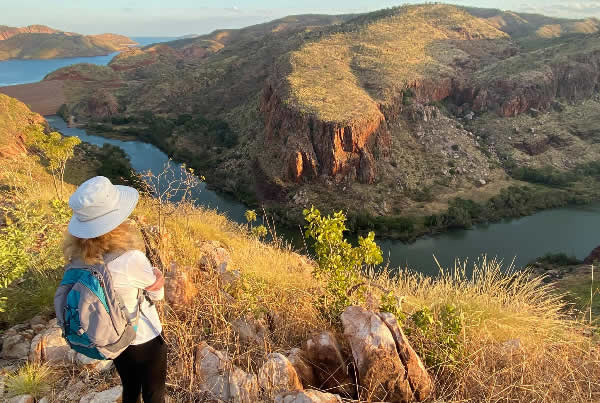
Kaz looking down towards the dam, lake and river.
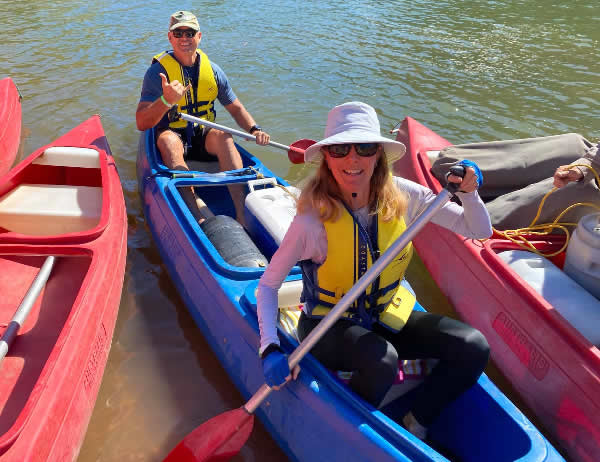
Darryl and Kaz ready to take on the Ord River.
They usually paddle surf skis.
Darryl is a mad Down Wind Ocean Paddler.
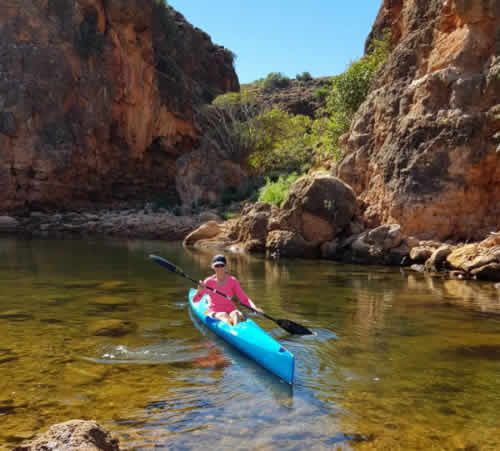
Marie Andersson at Yardie Creek near Exmouth.
Ramon & Marie enjoying Exmouth.
Wild Water Upper Swan T Trees
Bolland's Elbow to Amiens Crescent
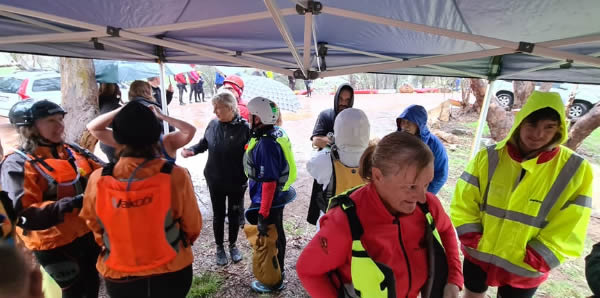
Heavy rain. The weather couldn't have been much worse.
Photo Steph Beddon.
Well what an awful day it was going to be with a forecast for heavy rain. It was the Upper Swan T Tree race and I decided to paddle from the finish at Amiens to the start at Bolland’s Elbow below Bells Rapid so I went early. To do this it saves me doing a car shuffle, and its extra practise. It was roughly a 1 hour 10 minute upstream paddle. I had paddled this
section Friday and Saturday to make sure that I knew the course and I was used to my Avenger kayak.
This race is always popular because it means that the less skilled paddlers can race it and not feel intimidated or scared of the dangers of rapids. It’s still a tricky course though. Wild Water kayaks don’t have rudders so it is really important to be able to lean/edge your kayak and have absolute control of it as there are a lot of turns and currents that do
all they can to push you off-line. One of the most important strokes is having a stable and efficient sweep stroke that you can turn into a support stroke if all goes wrong. Tight turns usually require a good lean/edge and a sweep stroke. You also need the ability to edge your kayak from one side to the other quickly.
Over the years I have spent a lot of time showing paddlers the skills and strokes needed to have full control of a wild water kayak in currents and rapids but very few really practise those strokes and skills enough, so they take longer to become proficient. Practise is the only way paddlers get better and it may take more practise for some than others. What is
the point of speed if you can’t control your kayak in the moving water?
I put in at Amiens a few minutes before Wayne Martin who was also paddling up to the start. He caught me up just after half way. There was heavy cloud cover and rain but usually at this time in the morning the sun is dazzling which makes it hard to see what’s coming up. With the cloud things were a lot clearer. By the time we reached Bells Rapid the rain was
pouring down and most people were sheltering under the shade tent.
Kris and Wendy gave the briefing and the rain didn’t let up. Bruce and Warren were at the start to send us off, the slower paddlers and wavehopper paddlers first at 30 second intervals. I was the eight last paddler to leave, so I had the fastest 7 paddlers behind me so I couldn’t dally.
Wendy showing her skill.
Photo Lawrence Greed.
I took off with the hope of catching Nathan Jamieson who was 30 seconds ahead. He brought his bash boat which apparently didn’t turn as good as his Avenger DR so my chances of catching him were boosted. He hadn’t been training as much as usual but even with less training and a dodgy kayak I didn’t seem to be gaining much on the first 2 kms which was fairly flat
with few turns. However young Hunter Florisson was catching me up with Harry Langley the first to pass me. At that time I realised I hadn’t started my watch to record all the kilometres for the day so I fumbled and slowed to hit the button.
Just as we approach the S Bend Hunter was right up my bum. I was expecting him to pass me before the turn but he didn’t. I did the turn pretty good and beyond it there was ample room to pass and Hunter did, but then I was up his bum. I was hoping that Hunter would fly away leaving me behind but he didn’t so instead of me focusing on the route ahead I was focusing
on the back of Hunter.
Just before the railway bridge we passed Isabel sitting in an eddy. Hunter by now was 15 metres ahead which was better for me as I could now see my way. At the Upper Swan Bridge Craig Metzke and his young child were cheering. I
didn’t have much time to have a chat.
I was now getting closer to Nathan and he was right his kayak didn’t turn that well which improved my chances of catching him and I so wanted and determined to catch him up before the end. When the t trees made our passage a little trickier Hunter didn’t gain on me as much, so I stayed only a few metres behind him. When he caught up with Nathan he sat there for a
while, but eventually he found a spot and passed him so that meant it was my turn. After the ‘Chicane rapid’ where three branches stick out and usually capsize the unwary I passed Geraint and now Nathan had a target on his back. I got closer and closer and by the island just before the finish I was right behind him, but it was impossible to pass. I had one chance left and that was right at the bottom of the island where the river divides for about 25 metres. Whichever way he went I had to go the
other way. He took the left channel so I took the right and gave it all I had. We came together where the channels met, but he was nice enough to let me take the lead on that last corner. I flew home with Hunter being not far in front, in fact although he passed me at the 2km mark he was only 8 seconds faster from there, but 38 seconds altogether.
Heading under Yagan Bridge (Upper Swan Bridge).
Wayne Martin and Dave Worthy at a previous Buoys Race.
When I finished I watched the remaining 6 paddlers come in. Dave Worthy did a cracker of a time being the fastest paddler and 50 seconds faster than second place Luke Dooley. When a paddler close to 55 can beat the young guns, it either means that Dave is still brilliant or our young guns need to do more work. Dave is brilliant and still a
powerhouse.
I ended up being 9th. Only one other paddler apart from the top 7 beat me and that was Steve Stasiuk who beat me by 9 seconds.
The top 3 paddlers outright were:
- David WORTHY
WWK1 55+ (30:42.2)
- Luke DOOLEY
WWK1 Open (31:32.1)
- Wayne MARTIN
WWK1 45+ (31:41.0)
Our top 3 paddlers (Female) were:
- Nina MUELLER
Sundries - Composite (34:08.8)
- Wendy BURDETT
Sundries - Plastic (39:31.6)
- Maya ELSTON
WWK1 Open (39:32.8)
Results Here:
https://www.webscorer.com/race?raceid=245248
Kimberley Kayak Expedition 2
Wyndham to Mitchell Plateau
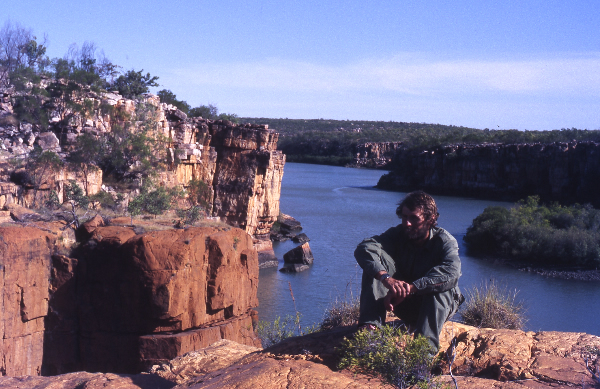
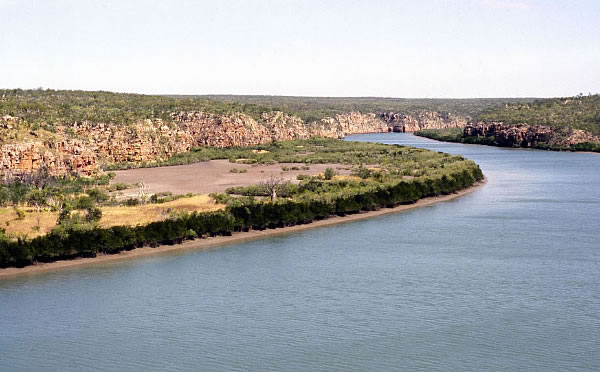
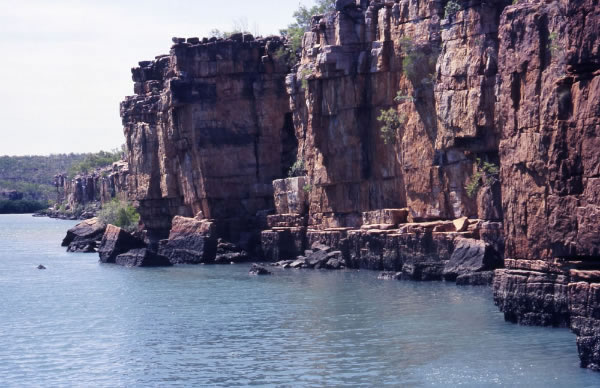
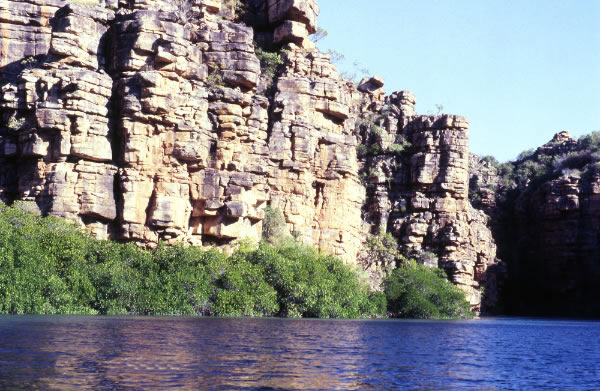
After stocking up with fresh water from Casuarina Creek, Berkeley River I headed further upstream with the tide. Massive vertical cliffs lined the river and crocs mingled with the mangroves. When the tide turned I left this picturesque place and headed once more out to the coast. With strong winds behind me, I made excellent time heading towards King George River.
On top of a waterfall at Casuarina Creek. Berkeley River.
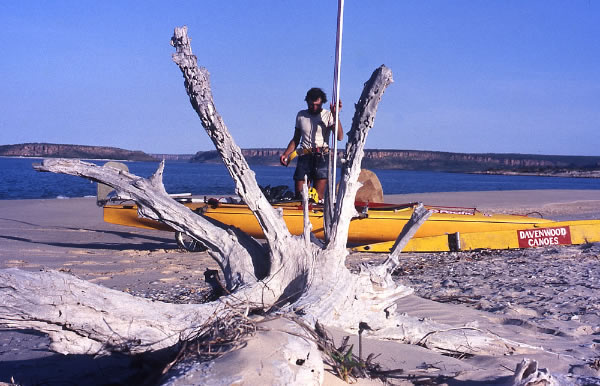
Camped near the mouth of the Berkeley River.
It was along this section of coast, on a storm tossed night in 1932, that two German aviators, Hans Bertram and Adolf Klausmann were forced to land their seaplane, ‘Atlantis’ after running out of fuel.
From Bertram’s book…
“We have wandered for seven days without food and water. We have outswum crocodiles and outwitted mosquitoes. We have left hopefully and returned naked and lacerated. Here, however, we feel at home again. Our plane is a small cocoon, protecting us from the unfriendly world outside. Yet again we consider our problems and strategies for escape”.
Soon after, they decided to convert the plane’s float into a sail-boat and they paddled west at the mercy of the wind and tidal currents to Cape Bernier. Here they found themselves exhausted and at the brink of madness and death they took refuge in a cave and were eventually rescued by an Aboriginal search party, ending their 53 day ordeal. (Five years later I retraced Bertram and Klausmann’ incredible survival ordeal.) Read Kimberley Kayak Expedition 5.
https://terrybolland.wordpress.com/around-the-kimberley-expedition/
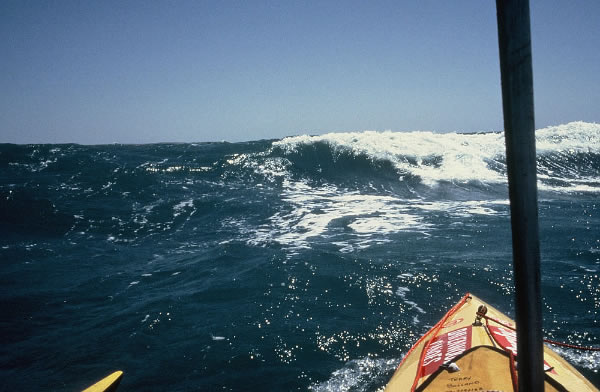
About 10 kilometres before Cape Bernier a reef jutting out seaward was being battered by breaking waves. The wind was extremely strong and with no place to land I was forced two kilometres from the coast to try to round them. Soon after monstrous waves surrounded me. In the troughs of these monsters I was often several metres down. I gripped the sail line and rudder tiller bar but the rudder was not working properly and I was unable to check it. As I surfed
down the huge waves reaching incredible speeds and with little control the waves pushed me around like a cork. A wave crashed down on my deck, caving in my spraydeck and for a few moments water poured in. Time and again I plunged into huge troughs, seeing only an enormous wall of water flying in front of me. I could hardly believe that the kayak was taking so much punishment but the outriggers gave it great stability. It was one of the most frightening times of my life, but after 40 terrifying
minutes the water became calmer.
Rough seas off Cape Bernier.
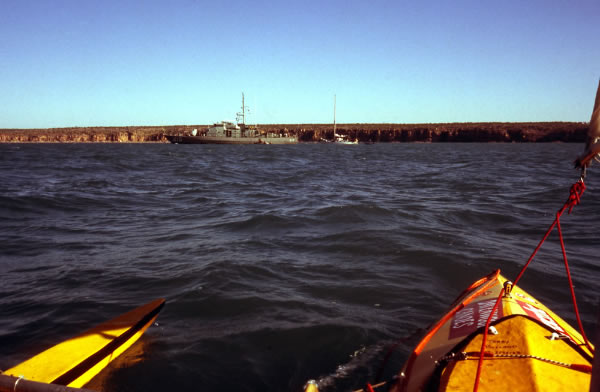
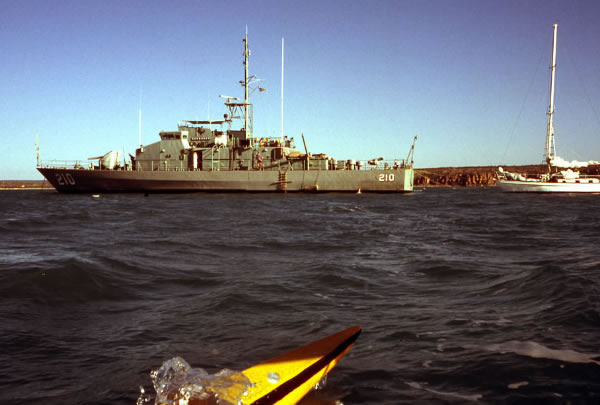
The meeting of a Patrol Boat.
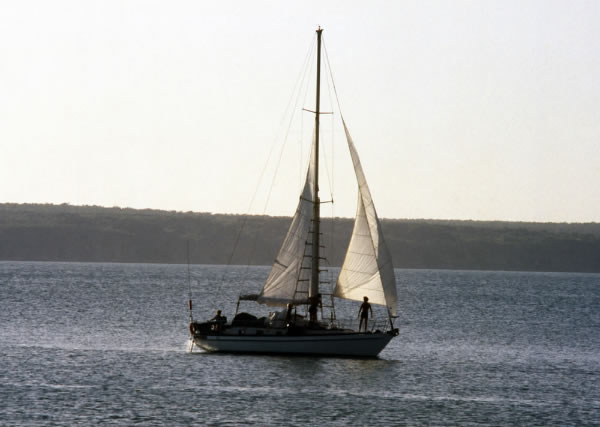
Entering the haven of Prince George River Harbour I was surprised to see a navy patrol boat and a yacht anchored there. A crew member on the patrol boat asked me on board to join them for a meal of steak and eggs. The patrol boat was about to go on exercises, but they were having a rest day, so most of the men were on shore fishing and having a barbeque. The skipper on the yacht behind the patrol boat, Mick turned out to be an old friend whom I had not seen for
eight years.
Later leaving the Patrol Boat with a bloated stomach I paddled over to the beach and I joined the crew of the patrol boat having their barbeque. They had been fishing all day and three sharks were left rotting near the water’s edge. Waste food left over from their barbeque was thrown in the mangroves, which made my beach a great invitation for a crocodile to visit. The Captain was young and quite tipsy. I had hoped they would be camping on the beach with me but
before dusk they jumped into their boats and headed back to the Patrol Boat.
Leaving me with all their waste I was a little concerned about crocodiles visiting me during the night so I tied my hammock high in the mangroves but because of their springy nature and my weight after climbing in, I finished up very close to the ground and with no protection at all! I did however sleep with my rifle beside me wondering if I would still be alive in the morning. My dreams were not sweet…
I awoke still alive which was a great relief. I had breakfast, packed up and headed upriver with the early tide to see the spectacular gorge and waterfall. Back in the bay I met up with Mick, his family and deckhand Norm Lindus. On board Mick told me a crocodile story. They were anchored near Bigge Island and a croc had spent some time watching his yacht. At midnight Mick went to relieve himself over the side of the boat when suddenly a croc leapt out of the water
and tore a hole in the guard rail netting. Mick fell off balance and by the time he realised what was going on the croc leapt up again and took another mouthful out of the net. Luckily for Mick no equipment was damaged and his young children were not on deck. After that experienced he wouldn’t take a ride in his rubber ducky.
Back in February 20th, 1942 the stateship “Koolama” was bombed by Japanese planes, near Leisure Island. It then beached on a sandbar at the mouth of the King George River. The 120 passengers, officers and crew were rescued by the mission staff at Kalumburu. Twenty four hours after leaving the mission and crossing the dreaded Cape Londonderry the rescuers reached the Koolama in their lugger. Only one death was registered during the operation, that of the second
radio operator who while walking between one mission and the other after the rescue, died of haemorrhage of the brain. Radio Officer F.C. Stansfield, Australian Merchant Navy died 13th March 1942 and was buried at the Kalumburu cemetery.
I had a meal on the Patrol Boat and found out that the yacht behind was skippered by a friend who I hadn't seen for 8 years.
The captain and most of the crew were on shore having a bbq. I joined them later.
I met Mick and his family, a work friend who I hadn't seen for 8 years and haven't seen him since.
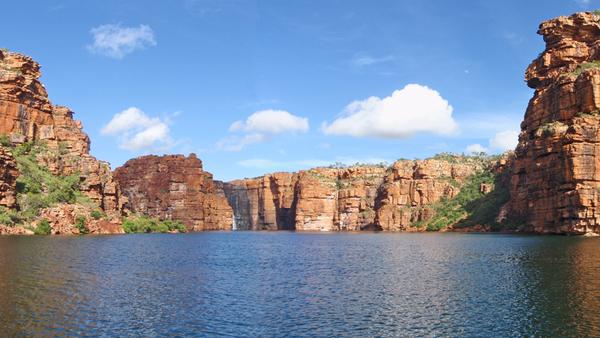
Paddling King George River.
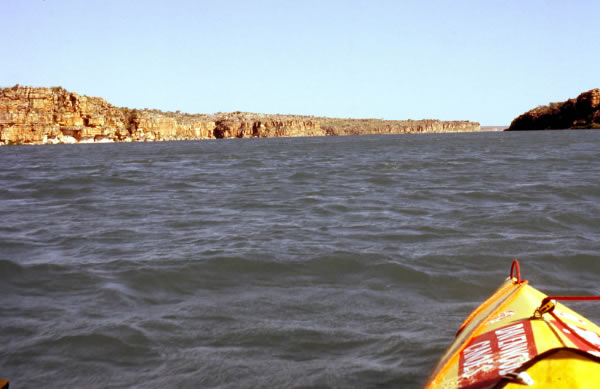
Cliffs of the King George River.
Cliffs of the King George River and dry waterfall.
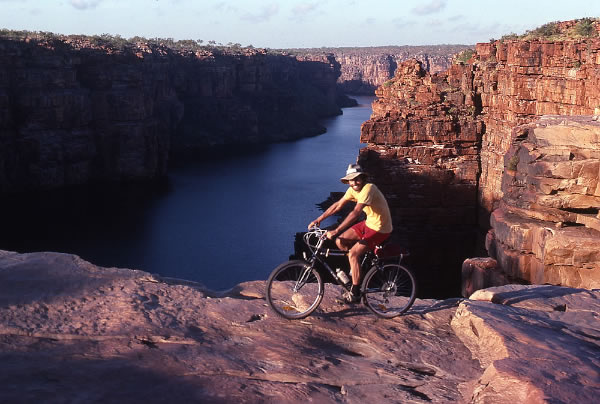
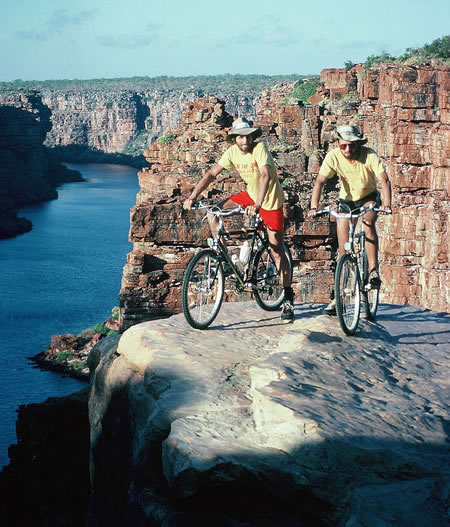
On top of the King George Falls in 1988, 5 years later on another trip.
https://terrybolland.wordpress.com/around-the-kimberley-expedition/
On top of the King George Falls in 1988, 5 years later. With Ewen McGregor.
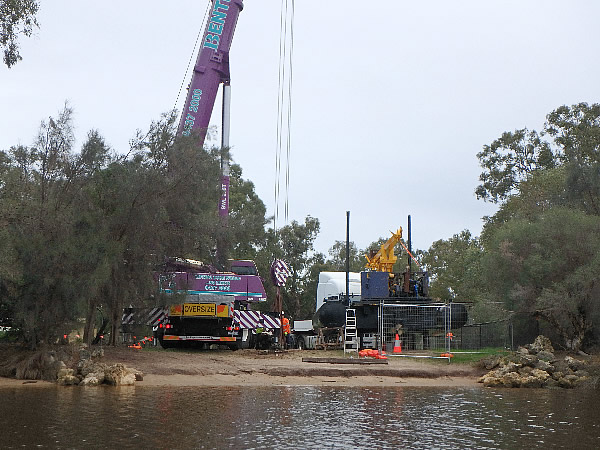
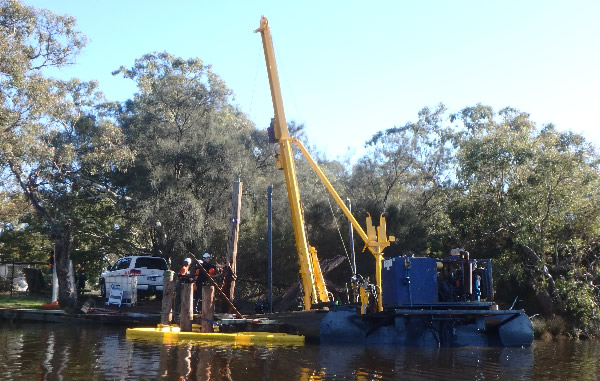
The Rebuilding of Sandy Beach Jetty
A big crane lowers the barge in the water.
The barge helps to build the new jetty.
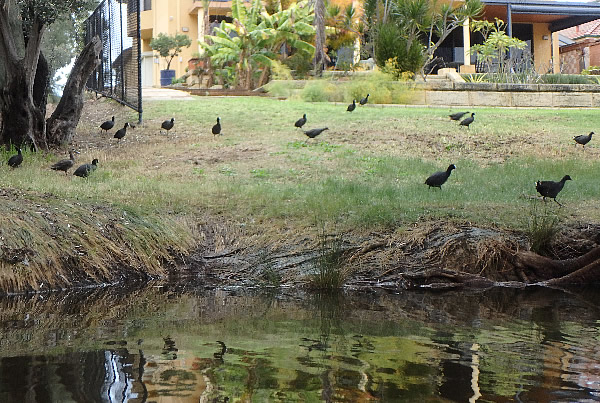
Bird Life Along the Belmont Shore
About 20 Coots wonder along the banks. The most I have seen in the area in one place.
There are a lot more coots on the river at the moment. Some in groups of 8 or more. Many more than I usually see in summer.
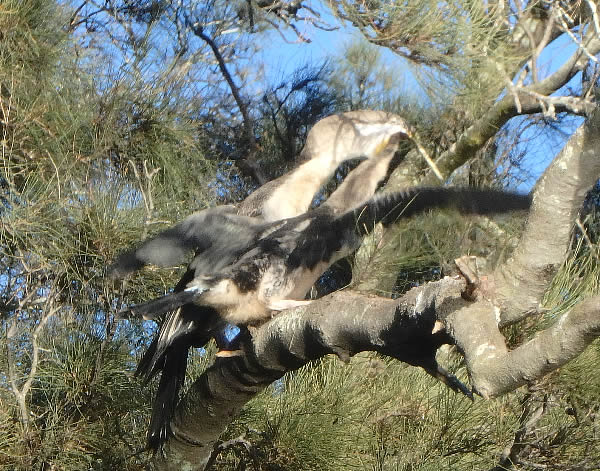
A young darter gets a feed from a parent.
There are several new born along the river at the moment chattering away.
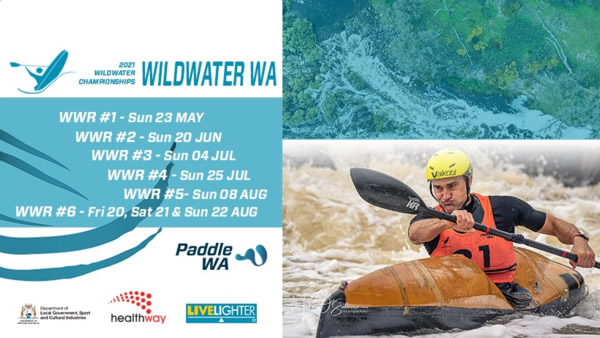
Next Wild Water Race
Our third race is scheduled as the WWR #3 Upper Ti Tree Race, and is a new course
utilising the end section of the upper Ti Trees. This 6km section of the Avon River is a popular training ground & is the final section of Day 1 of the Avon Descent
The course has many obstacles to tackle including overhanging branches, submerged wood, shallow pools and maze like channels.
There is a compulsory practice session in the morning for beginners and the less confident paddlers to familiarise themselves with the course.
Registration in Go Membership will remain open until 1800hrs on Saturday 3rd July, with no registration available at the event.
Ascot Kayak Club
Avon Descent Safety & Competency Assessments
Friday 2nd July 9.00am-12 noon
Friday 2nd July 1.00pm - 4.00pm
Saturday 3rd July 9.00am - 12.00 noon
Saturday 3rd July 1.00pm - 4.00pm
Sunday 11th July 1.00pm - 4.00pm
Saturday 17th July 9.00am - 12 noon
Saturday 17th July 1.00pm - 4.00pm
Saturday 13th August 9.00am - 12.00 noon
Please note the sessions are subject to water levels at Walyunga. If there are any changes we will advise 24 hours prior.
$60.00 club members
$120.00 non club members
Need to bring own kayak and gear: includes PFD, Helmet, Warm clothing, Footwear and spraydeck if in a kayak.
Walyunga Park Fees apply https://parks.dpaw.wa.gov.au/know/park-entry-fees
Any queries email akcadministration@gmail.com
Terry Brooke on 0437 005 538 or Terry Bolland 0417 977 330
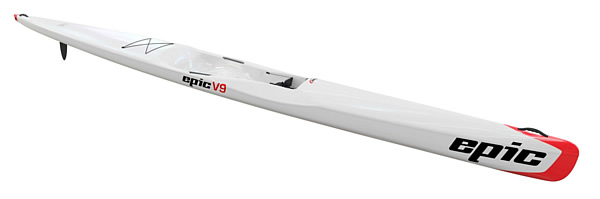
Like the Gen 3 V10, the V9 has been optimized for downwind surfing, with increased rocker, and stability. Flatwater speed is a step up from the V8 Pro due to the slightly narrower beam. This is the boat many paddlers have been waiting their whole lives for – the one that launches you onto the swells, glides
efficiently across the water, and keeps you in the “zone”.
Length: 5.79 m (19'0")
Width: 49 cm
Depth: 32 cm
Capacity: 120 kg
Ultra 12kgs
$4900.00
SPECIFICATIONS
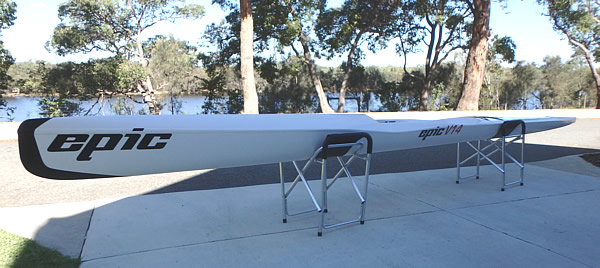
Length: 21' (6.4m)
Width: 16.9" (42.9 cm)
Depth: 12.6" (32 cm)
Capacity: 300 lbs (136 kg)
Not a ski for novices
Usual Price $4000.00
Special Price $1800.00
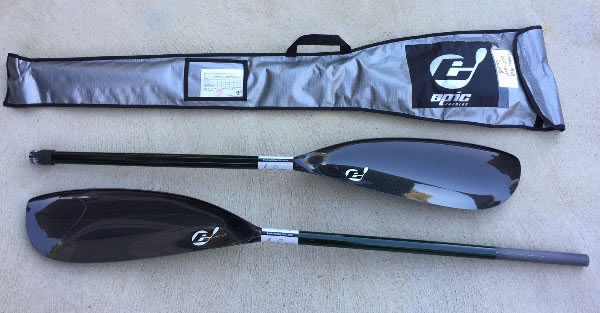
Club Carbon $460.00
Midwing Club Carbon construction - 737 grams; comes standard with Epic’s Length-Lock 2™ adjustable ferrule technology.
Carbon fibre blade, Green oval fibreglass shaft.
Fully adjustable length & feather.
Includes paddle bag.
|
|
|
|
|
|
|
|
|
|