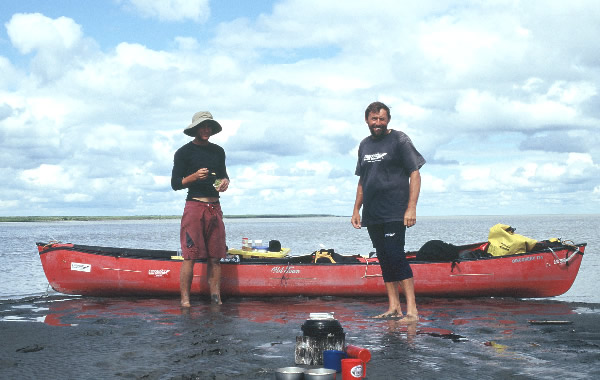
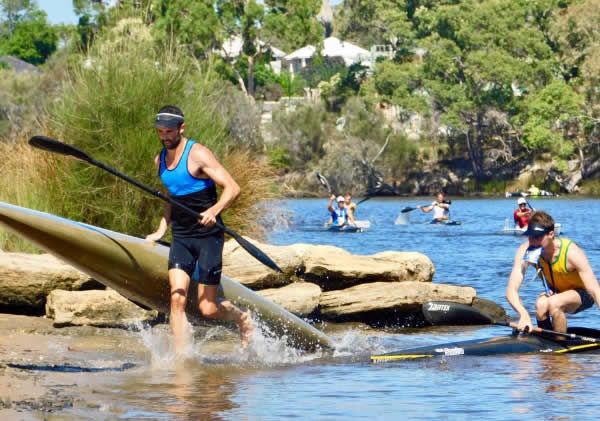
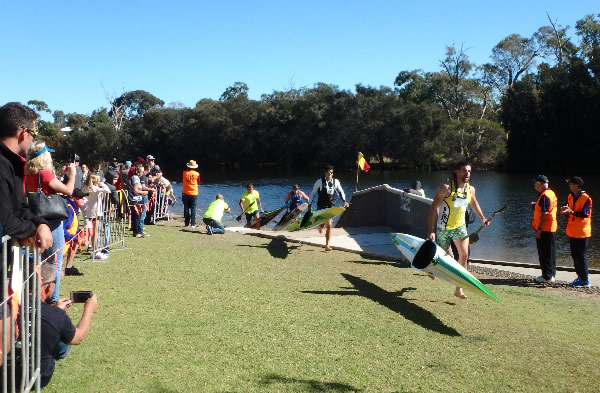
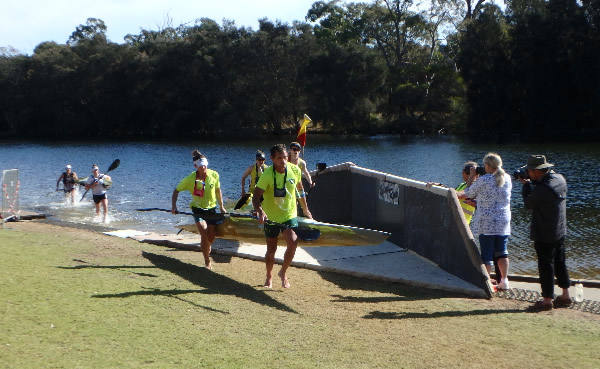
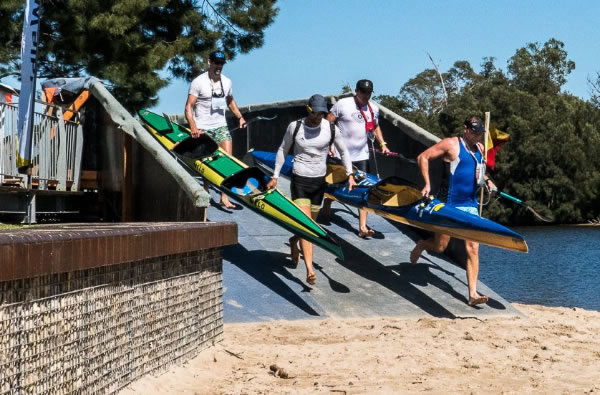
I have only paddled 152 kms on my SUP this week bringing my total to this short month to 590 kms. That's not including my kayak kilometres - the Pinjarra to Ravenswood and the Canning Classic races and the Saturday morning Dash, a Wednesday night Ascot race, the Island Sprints which would add another 85 kms or so to that total
bringing it up to 675 kms. So in the last 4 months I have SUP paddled 2800 kms and a few hundred in my kayak. With the State Marathon Canoe/Kayak Champs and the Australia Champs coming up in 4 weeks time I had
better do a bit more kayaking, less SUPping and take some rest. Don't forget to get your Australian Canoe Marathon entry in. You don't have to be a top paddler to enter.
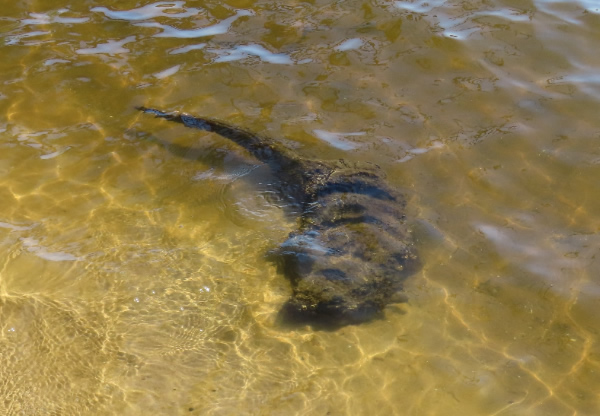
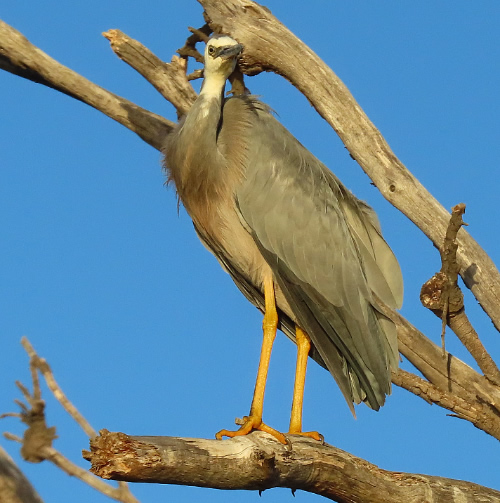
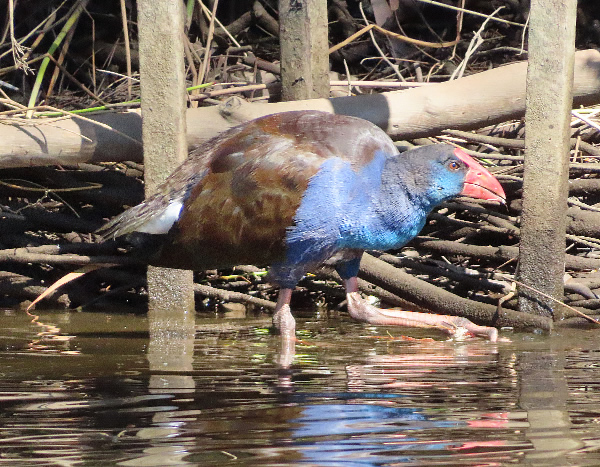
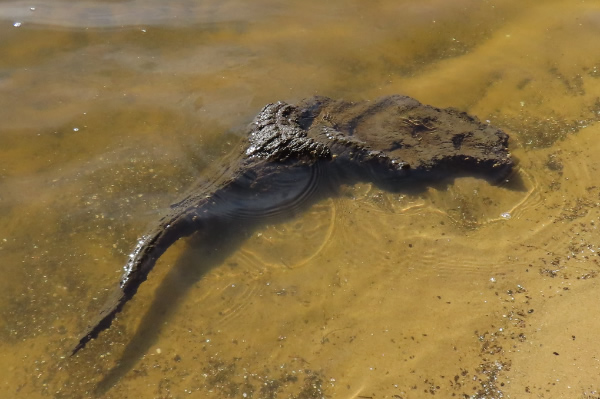
If you want to know what creature this is lurking in the shallows - you will find out at the end of this newsletter.
- Races Coming Up
- A Sunday Evening Paddle
- Paddle WA School Program
- The King of the Dusi
- Yukon River Descent
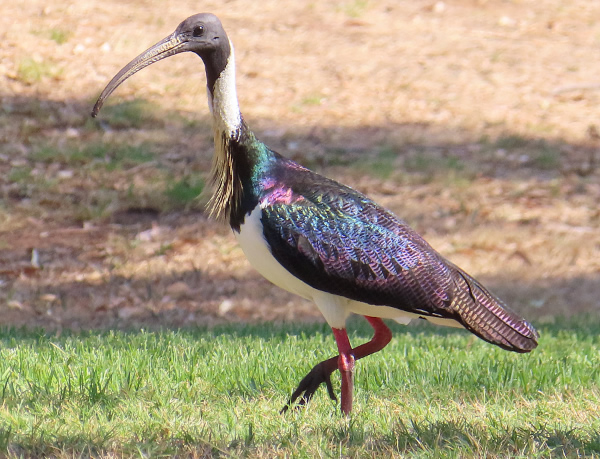
- Birds Along The Way
- Australian Canoe & SUP Championships
- Coming Events
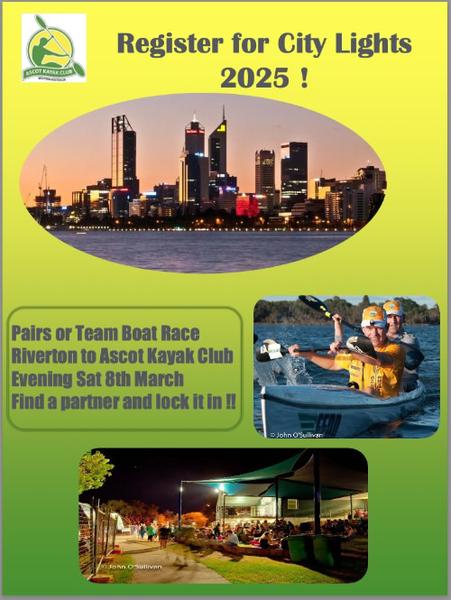
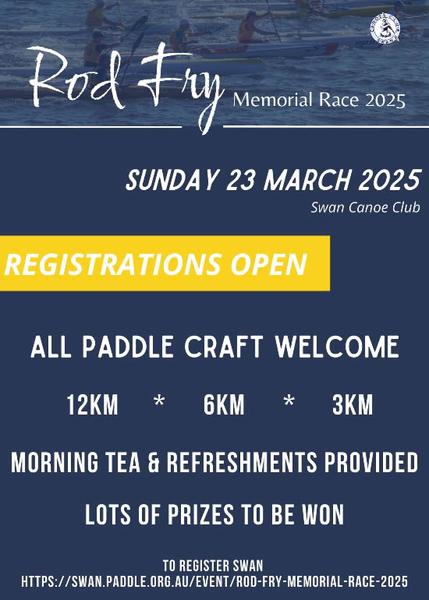
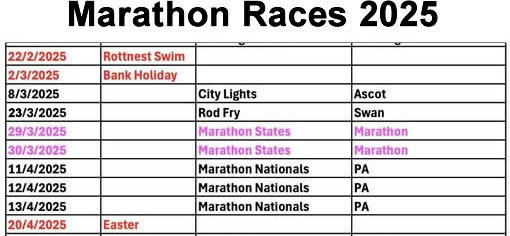
Races Coming Up 8th March - City Lights 23rd March - Rod Fry Race 29th/30th March - WA Marathon Championships 10th-13th April - Australian Canoe Marathon & SUP Championships
A Sunday Evening Paddle I was standing on my SUP as proud as the Statue of Liberty looks over New York and returning home with the wind pushing me along the Swan River at a nice even
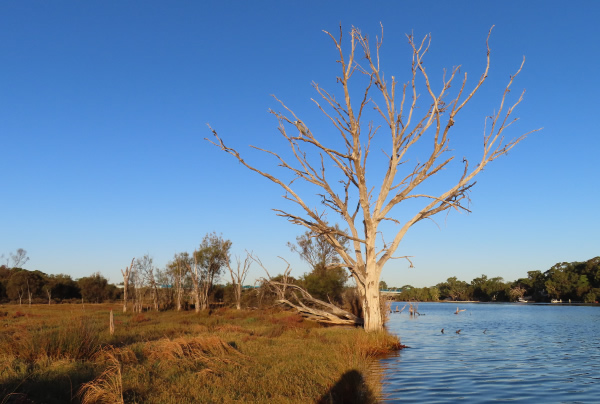
pace. The dying sun behind me lit up the vegetation, the trees and the grasses along the banks I was facing. The darters, white faced heron’s and cormorants that were perched in the trees had the best views. Their bodies shone as a fiery setting sun got lower in the sky. I knew I wasn’t in paradise but I was certainly in a place that gave me joy, calmness and contentment. The Swan
River is not the most spectacular river in the world but it’s a treasure that I paddle on every day. And I find that treasure, that jewel, that gem in the birds I see, the colourful grasses I find, and the trees that are in blossom or have vivid coloured bark.
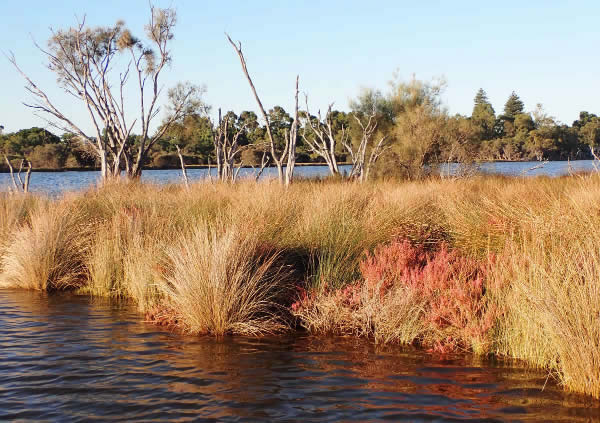
Colourful grasses around Kujak Island.
Pools of water collect when high tides appear.
Although it was much harder paddling against the wind heading towards Maylands, the paddle around Kuljak Island, Ascot Waters with the soft sun’s rays angling down on the island’s vegetation was a soothing sight. The Ospreys I usually see weren't in their usual spots, but there were many other birds, and a nankeen night heron, a darter and a white
faced heron which were worth taking a photo of. I passed under Garrett Road Bridge on the way home and the river was even smoother. Shortly after taking a photo of a darter a boat passed, travelling faster than it should, blasting out some American country music that shattered my peace, but the music was truly delightful. Although I wobbled over the boat’s wake and wallowed in the water the boat left behind, the music reminded me of the music I listened to on the great trips I did around the USA and Canada. The sound brought pleasure to my ears and I started remembering some of the amazing memories of those many trips. The music eventually
faded when the boat was 600 or so metres away which was then replaced by the sound of black cockatoos that were flying overhead. With the sound of the birds back my evening was even more perfect. I was just about home when I met the same boat with the good old country music blaring out heading back downstream.
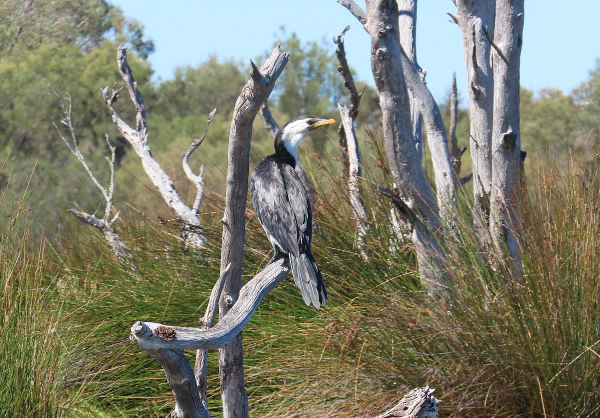
A Little Pied Cormorant takes in the solitude of Kuljak Island.
It's the little things that can make you happy. It doesn't have to be the best vista in Canada, the Grand Canyon in the US, it can be a flower or even a weed.
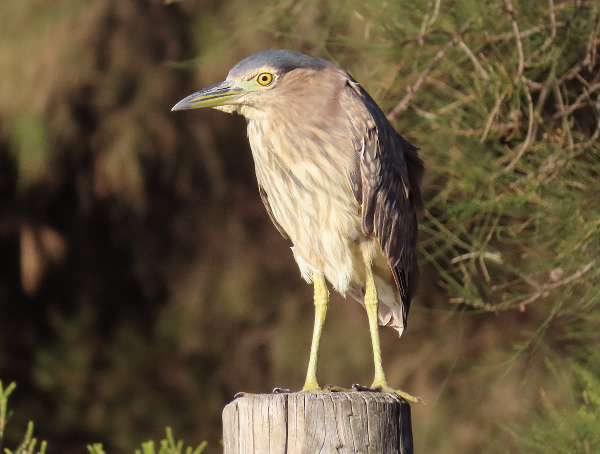
A Nankeen Night Heron taking in the last of the evening sunshine.
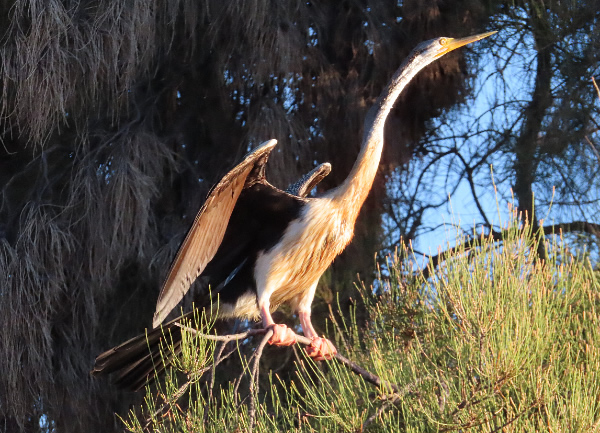
A Darter spreads his wings and take advantage of the sun rays.
A White Faced Heron looks over the river.
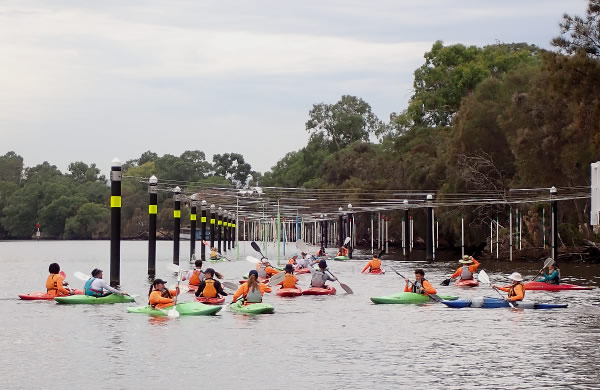
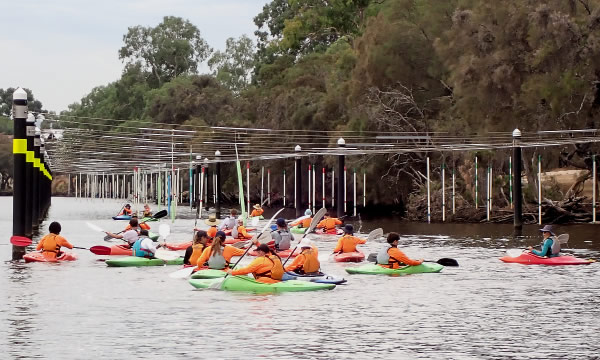
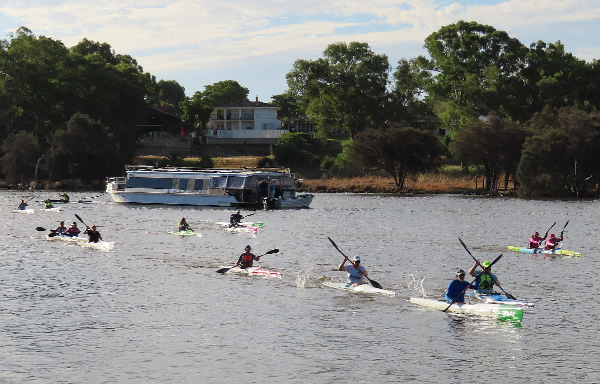
Ascot Kayak Club Progressive Racing Group on Tuesday evening. 25 paddlers of all different levels were enjoying the challenge.
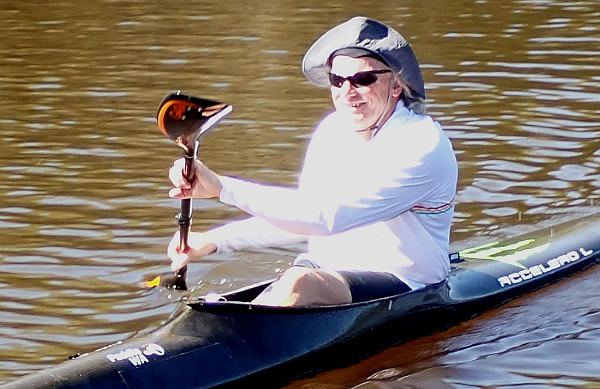
Phil Langley on the water this morning. Phil has paddled many Avon Descents and is a very strong paddler. He has been paddling 25 years. He is the father of Harry Langley who last year went to the
world Wild Water Championships in Europe.
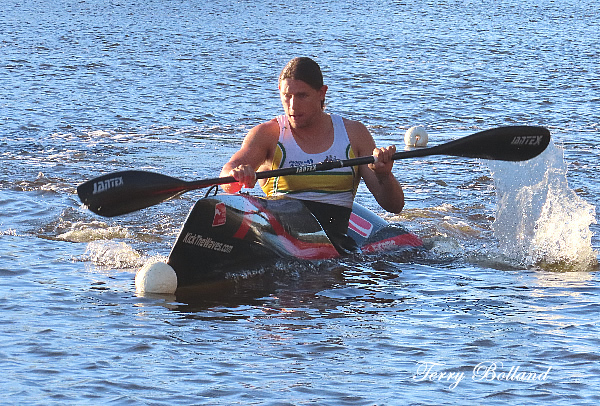
Harry Langley flat water training around the buoys.
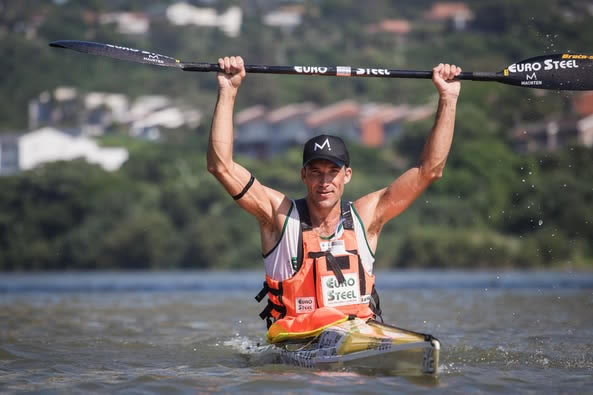
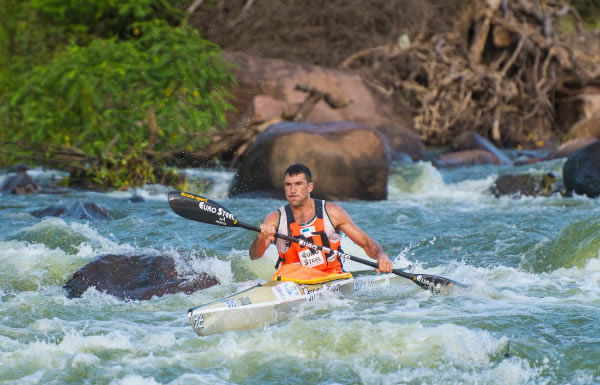
Andy Birkett wins his 15 Dusi title.
𝗕𝗶𝗿𝗸𝗲𝘁𝘁 𝗮𝗻𝗱 𝗠𝗮𝗰𝗸𝗲𝗻𝘇𝗶𝗲 𝘀𝗲𝘄 𝘂𝗽 𝗲𝗺𝗽𝗵𝗮𝘁𝗶𝗰 𝗗��𝘀𝗶 𝘁𝗶𝘁𝗹𝗲𝘀
Durban - After dominating from start to finish, Andy Birkett and Christie Mackenzie wrapped up significant Dusi Canoe Marathon titles at Blue Lagoon on Saturday.
Significant for slightly different reasons, Birkett won his record-equalling fifteenth Dusi title while
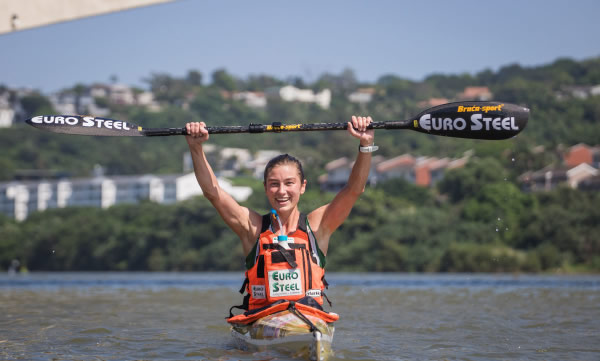
Mackenzie notched up a fourth consecutive K1 crown.
The races contrasted somewhat with Birkett being put under pressure on day two from runner-up Sbonelo Khwela while Mackenzie dominated proceedings from start to finish.
Birkett was in two-minds in the build-up to Saturday’s stage and eventually made a bold decision that
consolidated his lead.
“Today I was pretty nervous because there was so much water,” Birkett said. “I went and checked out Tops (Needle) yesterday and thought I would have to portage it, but I didn’t have the luxury of portaging it because I would lose almost three minutes.
“Nix, my wife, said I had to shoot it, so I drove back down in the evening and shot it and worked out a nice line for today.”
It was a memorable win for the 34-year-old Euro Steel star who appreciates all the support that he gets in chasing Dusi victories.
“It’s a
huge sacrifice for myself and my family every year and I have huge support.
“To be able to paddle this race every year is a privilege and I’m very grateful for that and I will be back again next year,” Birkett added.
Euro Steel’s Mackenzie might not have had it her own way on day three, however she had established such a
dominant lead throughout that she was able to recover.
“It was a great day out on some awesome water again,” Mackenzie said.
“I had one swim but other than that not a lot of admin, and I am happy to get to the finish in one piece.
“I was super
tired today, I felt a lot stronger on day one and two, but I’d worked hard enough to give myself a buffer so I could relax a bit today.
“I took it quite easy through the rapids today, but it was tough coming into the finish with the headwind.”
Christie Mackenzie notched up a fourth consecutive K1 Dusi crown.
Yukon River Descent We are nearly there. Saturday 24th July. Day 39 “It’s cold and misty,” Ed shouted. Somehow those words didn’t inspire me to want to jump out of bed, but I knew I had to. And just like Ed said, it was cold and the river did have mist rising from it, but it was also a beautiful sight to see. I thought about getting a photo, but the need to dig a hole was more
important, it seemed my bowels couldn’t wait and by the time I had finished and located my camera, most of the mist had moved away. Our tents were soaking when we dismantled them, as well as being full of flying insects, and for days now we were finding them squashed between the inner and the tent fly. As the sun rose higher in the sky, the mist turned to fog and it was hard to see
more than 100 metres ahead. We really didn’t need fog on today’s paddle as we‘d already heard plenty of doom and gloom stories about this section of river. For example it was so wide in places you couldn’t see land, if it became rough it was worse than paddling out at sea in a storm and there were so many different channels that we could become lost. It appeared that we were so close, yet so far away from being safely at the river’s end. Looking at the map though, it didn’t appear to be half as
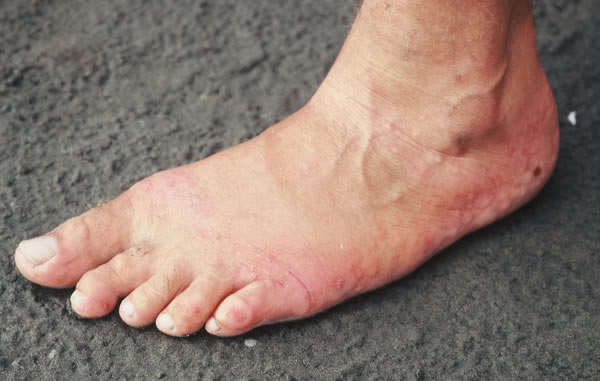
bad as what people were making out. If it was too rough however, we had the option of paddling down the Tunupokap Slough, which was on the opposite side of the river to us. The slough cut inland and then followed the river path and although it meandered, it would give us 30kms of calm conditions. With the current slower in the slough, we would only use it in an emergency. Luckily, apart from the fog, the weather was kind to us today and we didn’t need to use it. As usual we pulled our boat off the sandbar, jumped in, paddled out into the current and drifted whilst we applied sunscreen and put our gloves on. Over the last few days, due to my sore feet, I washed, dried and applied cream on them. I also sponged water out of the canoe so my feet wouldn’t get wet. It was a bit of performance but I needed to try to keep my feet dry and allow them to heal.
We were nearing the end of the river.
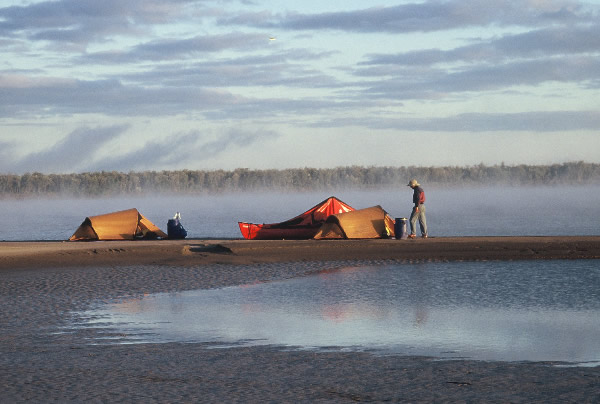
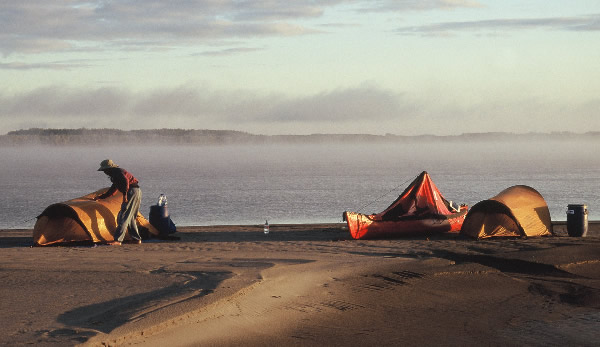
Being camped between the river and a billabong on our second last day of our expedition was quite surreal.
We were now off to see the sea and what a fantastic feeling it was. The current was actually moving much better than we had anticipated reaching speeds of 3 to 4.5kms an hour depending on the channel, which helped us reach speeds of 10.5kms an hour. In several places though, sand bars had formed across the river slowing the current, and at times
the channels virtually blocked our passage. The fog lifted and our progress was good and the river was not at all dangerous. It was a deserted place apart from two boats tied up on the right bank. By lunch time we had reached a place they call the ‘Head of the Passes’. From here our journey was only one day’s paddle away. Unbelievable, – we were nearly there! With the excellent
progress that we had been making we were several days ahead of schedule and apart from a disaster, nothing was going to stop us now. Knowing this also brought mixed emotions: on one hand we’d been waiting for this moment for so long and on the other hand we now had to accept that we were leaving our life on the river, our special bond with the river would end and our journey down it would fade and become just a memory. We stopped on a mud bar at the end of an island. The mud wobbled and sank in a little like quick sand, if we stood too long in one place a depression would form and water would rise to the surface. My feet were not happy with the muddy environment and I didn’t really want to walk on it but I had no option. I could feel my feet crying out for relief as the mud squeezed between my toes and smothered my feet. I walked across the mud to find a higher place in the vegetation and stretched my tent fly out to dry on some samphire (marsh vegetation) 20 metres away. Bear prints were embedded in the mud, sinking deeply in the softer areas. We cooked noodles, made a hot drink, and also took photos of our last lunch spot on the river. It was an historic occasion. A boat headed down the channel and stopped before us. A couple with three children were on board. They were going berry picking, making a 120km trip just to pick them. A costly journey, but they must have been worth it. We mentioned the two boats that we’d seen tied up earlier and we were told the occupants would have been berry picking too. By the time we
were ready to leave, the canoe was stuck fast in the mud and the only way to get it into the water was to wobble it sideways, which turned to be a real struggle that almost exhausted us. Once afloat my feet tingled worse than ever. It seemed that the mud at lunch time had really stirred them up and when my feet touched water they tingled even more.
Having lunch at the ‘Head of the Passes’ where the mud wobbled and we sank.
As we drifted away from the island another boat stopped, this time with only one guy on board, he was also going berry picking. He had picked up a long pine driftwood log and intended to use it on a new cabin that he was building. He hoped to find others at a later time so he could complete his project. “You might see it as you walk around town;
it’s a tiny shack half built”, he said. The delta area for 200kms was low, marshy, waterlogged and bare of trees so timber was in short supply in the delta communities and when any decent piece of driftwood was found floating, it was quickly picked up. The river was rather wide and interrupted by sandbars, so the water slowed where it became shallow. Within 15kms of Emmonak we looked
for a beautiful campsite for our last night on the river but unfortunately none was found, so we had to make do with what was available. We landed on an island across from a tiny community marked on our map as Lamont (probably abandoned as we saw nothing). A shallow piece of water on the other side of the island, called ‘Sunshine Bay’, looked more like a boggy mud flat than a bay full of sun. Before arriving we had our own thoughts of what Sunshine Bay was going to be like. Images of beautiful
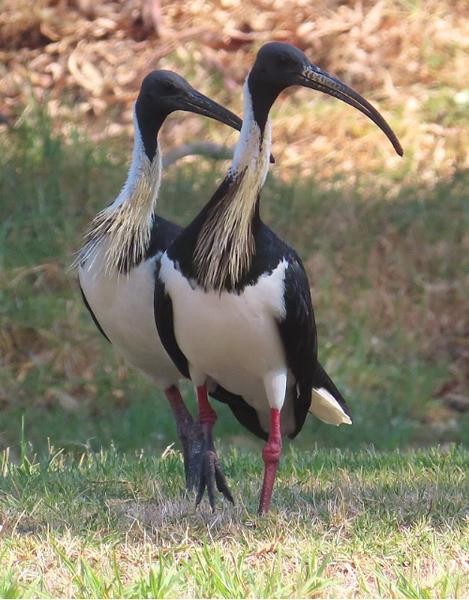
sandy beaches with clear blue waters came to mind, so the muddy shallow water deflated our spirits. On the positive side there were flocks of marsh birds flying around and feeding. This was one of the rare times that we had seen them in such numbers. We picked a place with no vegetation and with muddy shores still wet and soggy. We walked well away from the water’s edge in search of a
dry spot but there were none that lasted: as soon as we placed our weight on a dry spot our weight caused water to rise and the mud to wobble. We literally sank if we stayed in one place too long. We had visions of our tents sinking out of sight by morning. Another pleasant way to die! Although our campsite was a little disappointing for our last night on the river, at least there were
no mozzies. Earlier that day after leaving our lunch spot mud bath, I had decided that when I reached camp that night I would wash my feet, put my socks and booties on and then retreat to my tent in the hope of helping them to heal. In doing this though, it meant that Ed had to be my servant for the night. As soon as we had unloaded, I erected my tent and threw all my gear inside,
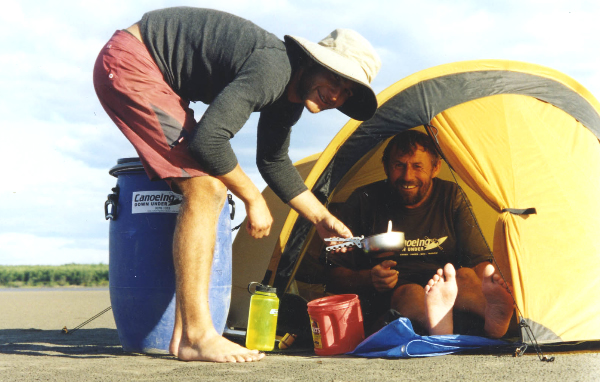
boiled some of our good water, sat in my tent, washed my feet and put socks on to ease the pain of my blisters. I then sat back like a king in my backpacker’s chair writing in my diary and watched Ed prepare our evening meal. He went along with it and thought it a great joke, – here he was looking after the great adventurer Terry Bolland. Ed took immense pleasure in setting up his camera to get a self-timed shot of him handing over the finest dish of noodles he had ever cooked for
someone! Earlier on in the trip Ed had developed a similar rash on his feet as I had, but his rash disappeared before it developed into anything nasty. At the time he thought they were mosquito bites. Although Ed didn’t have painful blistered feet, he was suffering from arthritis in his hands and each morning it took him a while to ease his curled fingers open. He also had a sore right
shoulder, cracked feet and a few blisters, but other than that he was fine.
Ed serving me my dinner so I could relax and try to keep my feet dry.
|