|
|
|
|
My training has been going well. No injuries, I feel fit and healthy and in the last month I have paddled 580kms, 165 kms this week but it's hard to know if I am faster than I was last year. Despite all the salad meals that I have been preparing I'm still a kilo too heavy, although Jenny is losing weight! The house work that has been on Watch & Act this last two weeks, will now get a little attention as I have decided to Act this weekend and have a good clean-up.
Jenny is recovering well. She is getting good at using her left hand to do things, although her right arm will be in a sling for a few weeks yet.
Apparently my caring duties slipped this week and I didn't get
the royal approval so my Knighthood from the King is in doubt. So with 5 days to go before I get on that big plane I have to make sure my caring duties get back on track.
I'm just hoping that I won't get too many hot sweats on the plane, as
they can be very uncomfortable (ask any women over 45) but I'm really hoping that I don't get covid or some other bug before I race.
Then it's two weeks of sea kayaking with John Breed afterwards. *************************************** Unfortunately I will be away a month so it means there will be no newsletters until I get back. However keep an eye on my facebook page for updates while I am away. I won't have the same phone number or email but my travelling email address will be terrycdu144@gmail.com See you when I get
back.
- Arthur Leggett - 106 Years Old
- Amien's to Bolland's Elbow - Paddling Up River
- Funding Boost for Slalom Kayaking at
Penrith
- The Yukon Descent
- Remembering Bren Orton.
- Remembering Mike Jones
- The End of Seaward Kayaks
- SUPs at Torquay, UK
Coming Events - 7th September 2024 - Nanga Challenge
- 16- 17th September - World Masters Canoe
Marathon Championships Croatia
- 19th - 22nd September - World Canoe Marathon Championships
- 12th October 2024 - WA Ocean Racing Championships
Thursday morning. What a day. Cold, wet and windy. There were very
few paddlers at training tonight - Thursday. I wonder why!
I'm told summer is coming.
Friday morning. Heavy showers interspersed with some fine weather. Nearly every day lately we seem to have some rain.
The good news for white water paddlers, the rivers are still up.
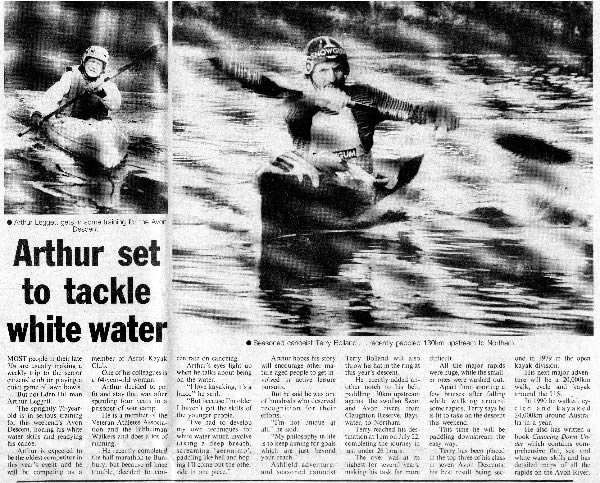
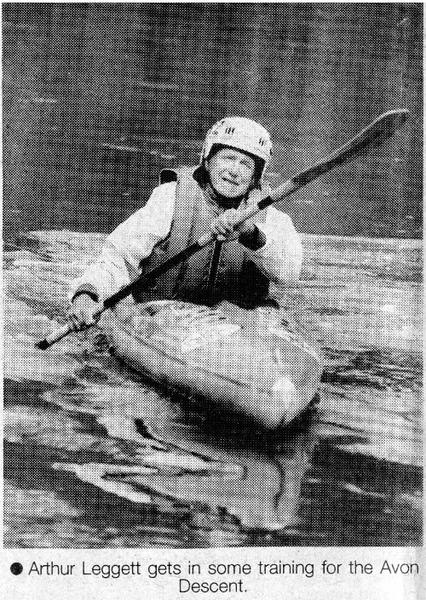
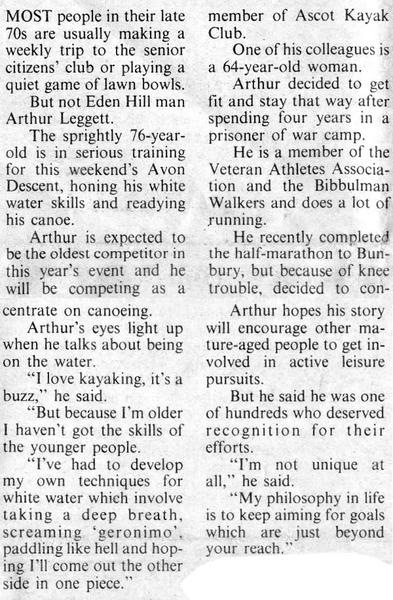
Back in 1995 when I was about to paddle up-stream from Bayswater to Northam and then take part in the Avon Descent, Arthur Leggett was in the same newspaper. He was training for the Avon Descent at 76 years old. Arthur is a war veteran and was held in a prison camp in Poland. He is now 106 years old.
He was a member of the Ascot Kayak
Club.
Arthur Leggett is 106 Years Old on Sunday Happy Birthday Arthur How amazing is that
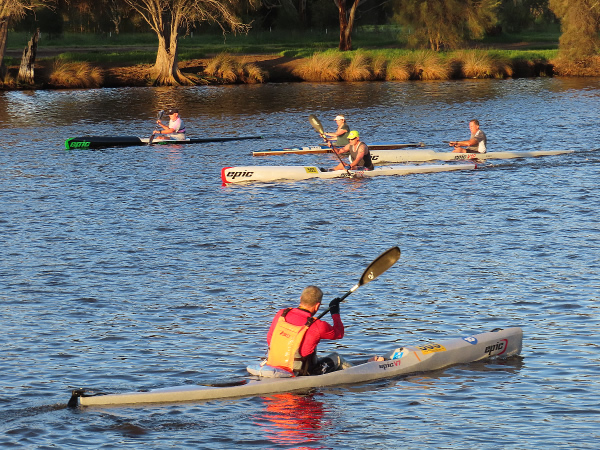
Ascot Progressive Racing Group I will be away for 4 weeks so I won't be timing,
however I'm sure some paddlers will be there training.
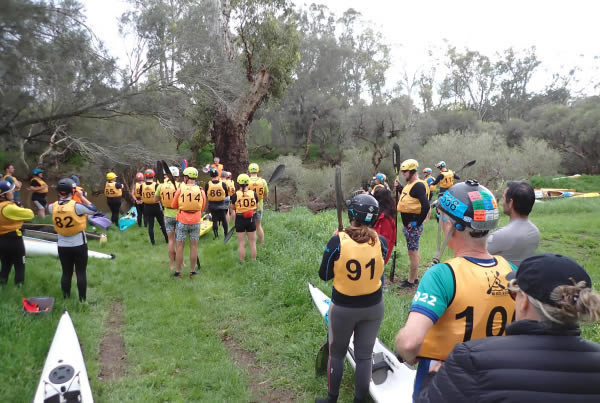
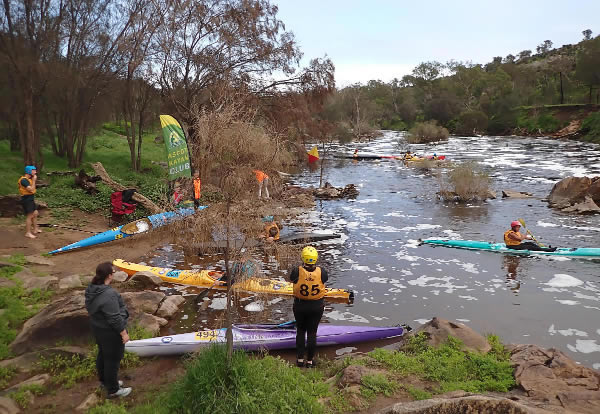
The briefing at Amiens Crescent.
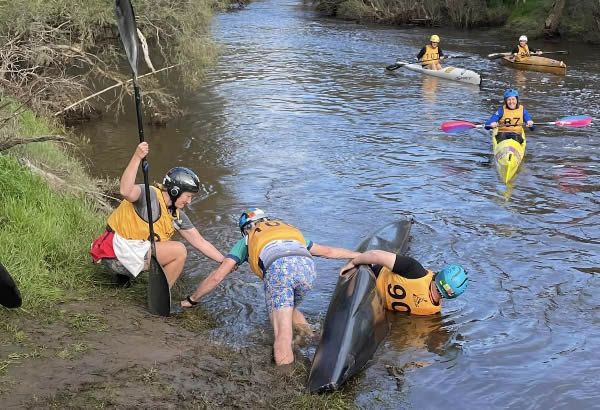
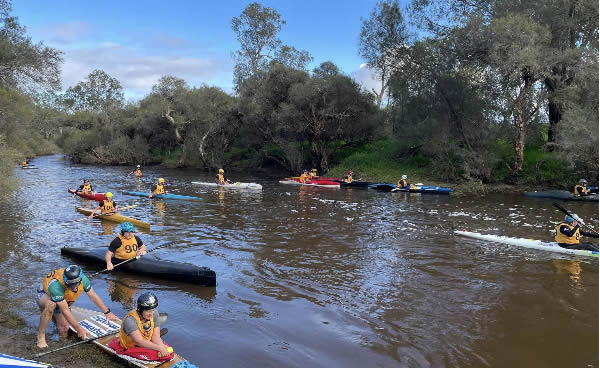
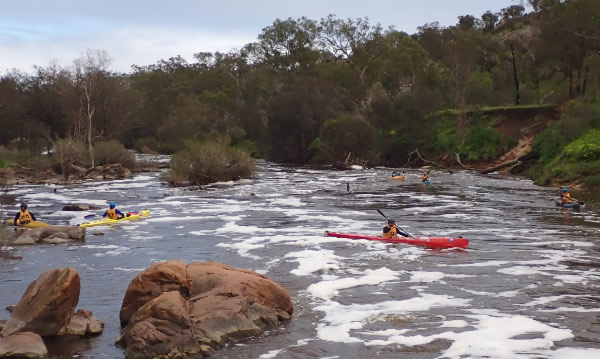
Competitors line up. They take off two at a time.
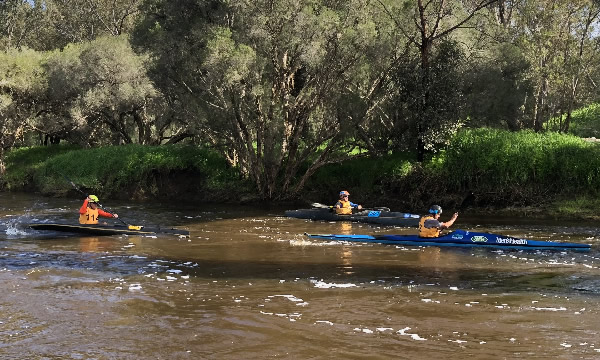
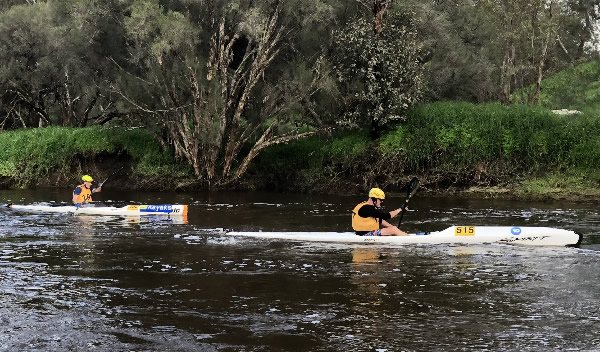
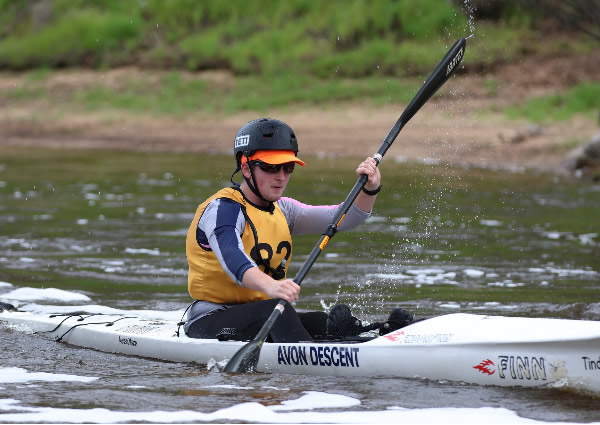
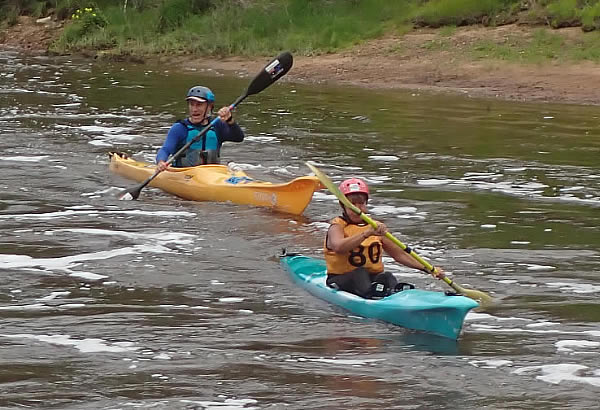
The longer boats with rudders are faster than the wild water kayaks. Photo Tim Edwards
Winner of the plastic class Chris Watson leads Matt Jones up against the flow. Photo Tim Edwards
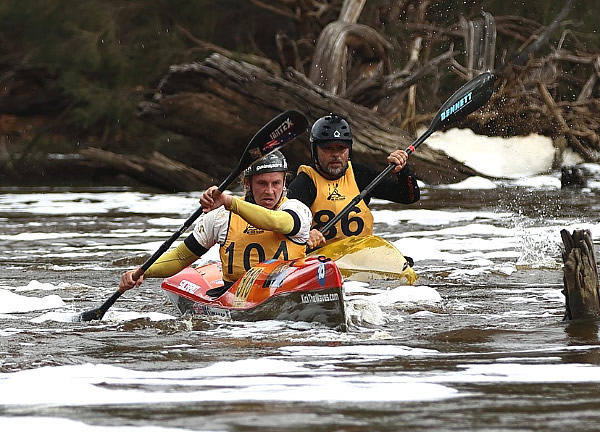
Kieran Simpson winner of the Wild Water class zips passed Manny Carabott. Photo William Te
Harry Hewitt above 1st K1, Charlie Hewitt 2nd K1, & Ben Hewitt 3rd K1.
It was a family affair. Photo William
Te
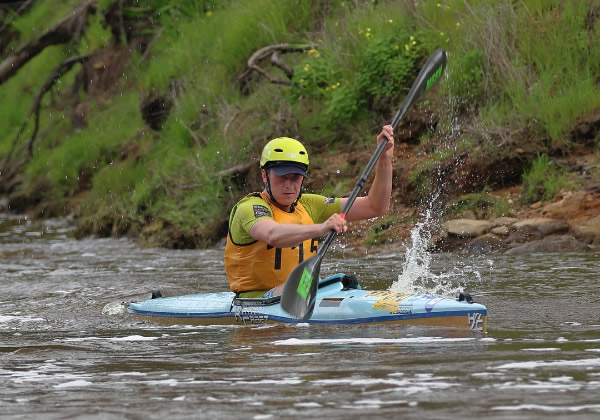
Helke Melville in a K1 fighting against the current. Photo William Te
Young Seth Hamer having fun. Photo Tim Edwards
A few paddlers head towards the finish line.
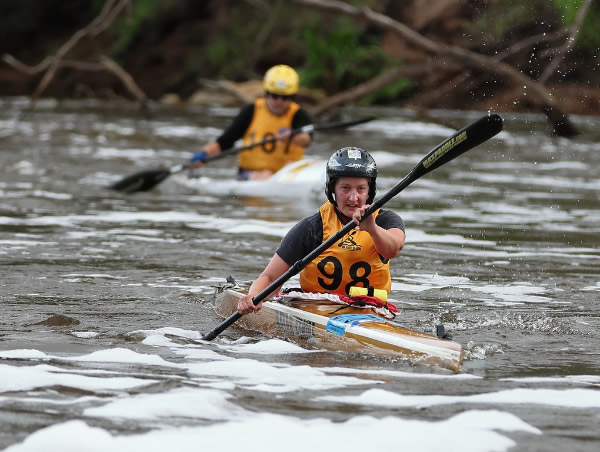
Jeannette Busch finishes the race followed be Danny Murphy.
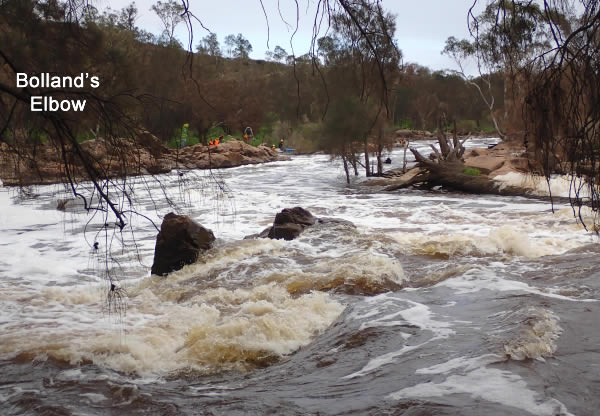
The end of the race downstream of Bolland's Elbow.
The last real rapid on the Avon River is called Bolland's Elbow.
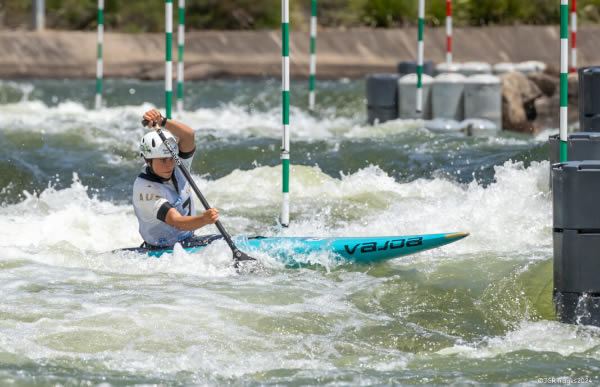
Fox Island Olympic champions Jess and Noemie Fox will have an island at Penrith Whitewater Stadium in Western Sydney named in their honour. The section, in the heart of the stadium, will be renamed 'Fox Island' in recognition of the family's contribution to the sport. The two sisters won three gold medals between them in the Paris Olympics across kayaking and canoeing events. Jess Fox is regarded as the most decorated canoe slalom athlete to date, and was Australia's flag bearer in the opening ceremony in Paris. "I remember being a six-year-old in the stands for Sydney 2000 and an 11-year-old in the stands when the World Championships were here in 2005, so to have that legacy 20, 25 years on, for me it means so much,"
Jess said.
The announcement comes alongside a $3.2 million funding boost to Paddle Australia, ahead of the International Canoe Slalom World Championships being hosted at the Penrith Whitewater Stadium in just over a year.
2025 ICF Canoe Slalom World Championships receives funding boost from NSW Government 400 days out for the event
With just over 400 days to go until the 2025 International Canoe Federation (ICF) Canoe Slalom World Championships at Penrith Whitewater Stadium, the State and Federal Governments has today announced $3.2 million in funding to support Paddle Australia in the hosting of the event. (Pity some of that wasn't directed to WA to help get a White Water Course here.) Following sell out crowds for canoe slalom events at the Paris Olympic Games, the World Championships are heading down under for the first time since 2005, with more than 300 competitors from 50 nations expected
to take part. The Penrith Whitewater Stadium is a legacy venue of the Sydney 2000 Olympic Games and has since gone on to produce the world’s best ever canoe slalom athlete and three time Olympic gold medalist Jessica Fox as well as recent Olympic gold medalist in Noemie Fox. Home of Paddle Australia’s canoe slalom high performance program, the NSW Government also recently completed a $3.1 million upgrade to Penrith Whitewater Stadium to enable it to stage the World Championships, including upgrades to the whitewater course and venue infrastructure. CEO Paddle Australia Phil Jones said, the ICF Canoe Slalom World
Championships not only provides the opportunity to excite and engage the Australian community, but will also be an important milestone on the green and gold runway towards a home Olympic Games in 2032. “Hosting the International Canoe Federation (ICF) Canoe Slalom World Championships provides Paddle Australia with a unique opportunity to not only attract world class talent down
under and connect with the Australian public, but will also provide a significant opportunity to attract new interest and talent into our pathway programs. “Australia boasts current female Olympic champions Jess and Noemie Fox, who have already inspired more people to get involved in paddling. We’ve seen first hand what hosting international events in Australia can do in
galvanising Australian fans and young people and that’s certainly our vision for the 2025 ICF Canoe Slalom World Championships. “Hosting the event would not be possible without the significant contribution from the NSW Government. Their continued support of canoe slalom in Australia and funding to help us deliver the 2025 ICF Canoe Slalom World Championships as well as the facility
upgrades to Penrith Whitewater Stadium, is making our vision a reality. “The Penrith Whitewater Stadium is a proud legacy venue of the Sydney 2000 Olympic Games. Sydney is renowned for delivering incredible major events and we look forward to welcoming athletes and fans from around the world to Western Sydney for another marquee event,” he said. Three-time Olympic Gold Medallist and IOC Athlete Commission Member Jess Fox is excited to welcome the world to her hometown. “Following Australia’s most successful Olympic Games ever in Paris, we are excited to welcome the world’s best slalom paddlers to Penrith Whitewater Stadium in
2025. “We have seen at recent World Championships and Olympic Games, how much fans enjoy our sport with packed crowds creating a wonderful atmosphere. We know Penrith is primed to provide fans of our sport and Western Sydney locals with that same incredible atmosphere. “I remember being a six year old in the stands for Sydney 2000 and an 11 year old in the stands when the World Championships were here in 2005, so to have that legacy 20, 25 years on, for me it means so much,” she said. Recently crowned Olympic champion, Noemie Fox, has grown up in Penrith and is looking forward to welcoming the world
to her backyard. “I’ve had the pleasure of competing at some of the most incredible locations around the globe as part of the ICF World Cup Series and I can’t wait to welcome the world’s best athletes to my hometown of Penrith to showcase our beautiful region. “Penrith Whitewater Stadium is the base for our high performance squad, this is where we train year in and year out and I’m looking forward to using that home ground advantage to its fullest. “Since returning home from the Paris Olympic Games I’ve been pleased to see such a huge level of support from Aussie fans, from the young school kids right
through to adults. The 2025 ICF Canoe Slalom World Championships is going to give all Australians the opportunity to see world class canoe slalom action up close and in person and I can’t wait,” she said. ICF President Mr. Thomas Konietzko said: “The NSW Government’s significant contribution for the 2025 ICF Canoe Slalom World Championships in Penrith will help towards
delivering a successful event. Penrith has played a crucial role in producing the world’s best Canoe Slalom athlete Jessica Fox. After the resounding success of Paris 2024 which saw her sister Noemie win gold during the kayak cross debut at the Olympic Games, the World Championships at the Penrith Whitewater Stadium will be the perfect setting to inspire future generations, add to the legacy of Sydney 2000 and engage fans on the green and gold runway towards 2032 Olympic Games in
Australia.”
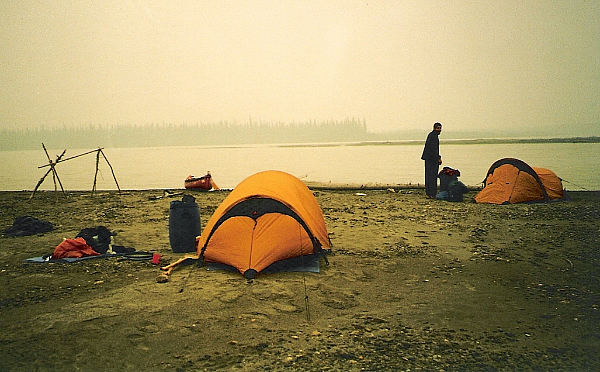
The Yukon River Descent Into the Smoke Thursday 1st July. Peeking out of the tent I could see the smoke hadn’t cleared during the night. As soon as I was on my feet and out of the door I immediately grabbed the trowel, walked swiftly into the vegetation and dug a hole. However the mosquitoes swarmed and forced me to run back to my tent to put my trousers on and to dab some
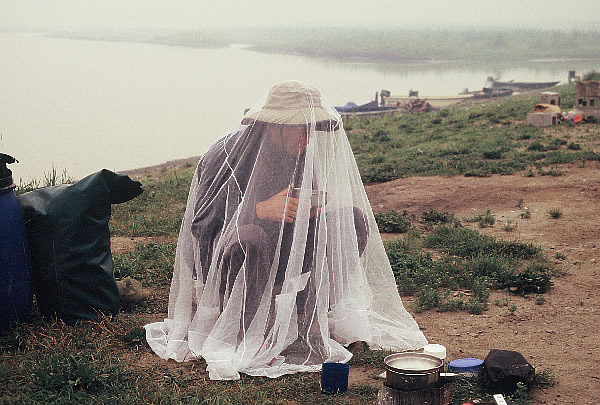
mozzie repellent on my bum. I felt a little more secure when I returned but the mozzies were not finished, they loved my other tender spots! I returned to find Ed wrapped up in his mozzie net. Ed refused to put repellent on, so he tried to hide from them under his net that covered him from head to feet. He was thinking about lighting the stove with the net draped over him, which wasn’t
a good idea, so I lit it instead. It was quite funny watching him eat his breakfast under the net! We filtered some water before moving away at 10.00am. The smoke was still heavy giving us only faint glimpses of the nearby cliffs. We passed the Nation River and a little further down stream the Old Coal Mine Headquarter Site. A few cabins were on the left a little further up. The smoke
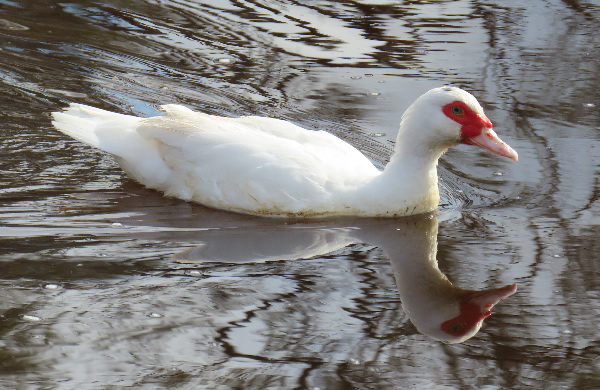
was oppressive and burning our throats. To help reduce inhalation Ed wrapped his bandana and I wrapped my Uveto Hat over our mouths to block it out. Although we were not suffering at all with throat or breathing problems we were wondering how long we could go on breathing in the smoke if it didn’t clear. Several ducks floated in a straight line ahead of us as we began to gather speed.
They soon took off, wings and legs accelerating across the water in the hope of becoming airborne, finally succeeding with us powering off after them. We fought on km after km in the hope of getting out of the smoke zone but the fires continued to smoulder in the hills along our route. We were missing so much beauty, and high bluffs were just towering shadows through the haze. Ahead of
us a gully appeared wedged between two near vertical mountains. From a distance we couldn’t see any water but we had a good idea that a stream was going to be there. We paddled and ferry glided from the left side of the wide river to the right side as if our life depended on it. The current was swift but we reached the stream before being washed beyond it. At first inspection the gully appeared dry, but after a closer look a tiny amount of water was cascading through a log jam and down between
the rocks, more than enough to fill our water containers. The fresh water was too good to waste so I decided to have a strip wash. Ed wasn’t game, he said it was too cold. I got my cup and started pouring water all over my body starting from feet up. Ed was right, it was really, really cold and it took my breath away. I poured a couple of cups over my head and the intense cold was
excruciating painful. It felt as icy cold as melting snow! I paused and stood waiting to give my head a chance to recover before pouring the final cup over me. My head was so numb that I thought I might have a brain haemorrhage. It took several minutes for it to feel normal again.
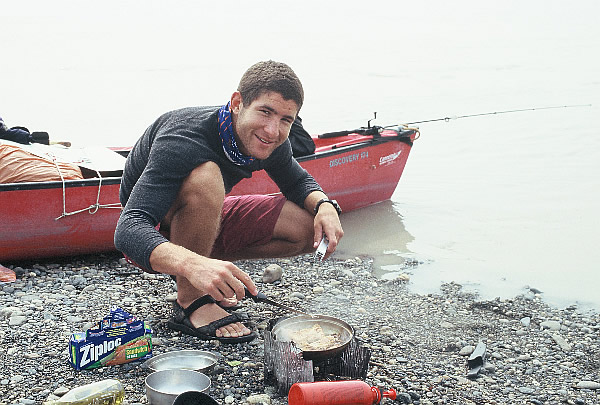
Ed cooking dinner. He brought his fishing rod but he had no success fishing in the silty water.
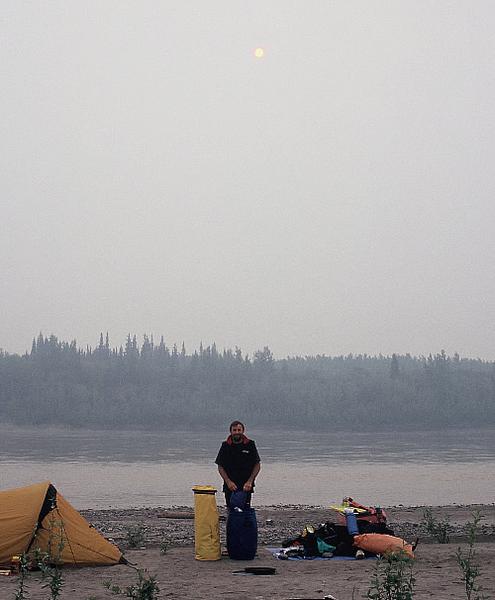
The sun is nearly lost amongst the smoke.
We moved on and somewhere near the 310km mark a figure appeared on the shore. We instantly started to paddle towards the recently dried out sandbar on which the figure stood. To our surprise it was another canoeist, a Japanese guy called Rio. He had been on the river for two months and was heading to the village of Beaver to work; drying fish and
moose hunting. He had been there before and had been invited back. Before the trip Rio had been working in Yellowknife in the Northwest Territories as a guide and he said he would return there after his time in Beaver. We started talking about fish or really the lack of them. He said he had caught a good sized one in the Kandik River and told Ed how and where to catch them. Rio was boiling a pot on an open fire, his very basic camping gear was scattered and his double ended paddle nearby was not
much better than a piece of plywood nailed to the ends of a broomstick. He used an old plastic chair back as his canoe seat. His gear looked a little rough and ready but he didn’t seem to mind. Rio told us that he was concerned when we pulled up with our faces covered, as he thought we were pirates. We chatted and he told us that he knew of a German and a Japanese man paddling to the
Bering Sea. We said our goodbyes and paddled on for about 10km where we stopped paddling, laid back, floated and had a quiet moment. Ed started telling me he loved scuba diving and going over to Rottnest Island in his boat to dive, fish and spear fish in the waters around the island. He told me that the fish were plentiful there. Rottnest Island is roughly 20kms off the Western
Australian coast opposite Perth. It’s famous for its clear waters, beautiful beaches, stunning bays and small marsupial animals called quokkas. I dozed off and was woken by my own snoring. I could hear the sound of moving water running over the shallows or rocks, and although keen to see where we were headed I refrained from looking and went back into a day dream. By the time we
decided to awake and paddle again, I had lost my bearings. The smoke blanketed all features on shore until we reached Robber Mountain, and a cabin at Wood Chopper Roadhouse. We began to look for a good camp and checked out two islands near Yellow Mountain, but they were wet and muddy. The mountains around us were smouldering and the ones opposite Webber Creek were actually on fire. The
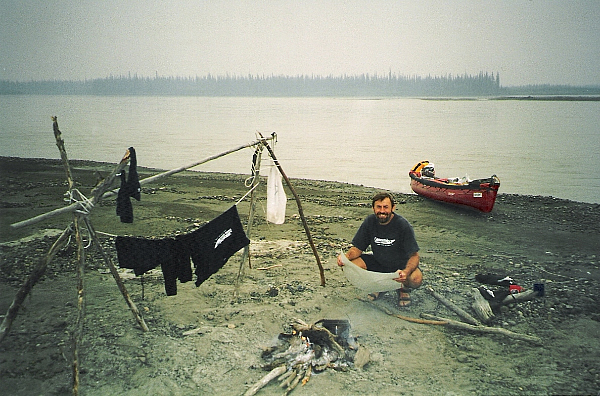
smoke was a lot thicker here. We passed a cabin, which looked as if it was being renovated and later found a camp spot on an island opposite ‘Thanksgiving Creek’. We cooked on an open fire, warmed and wrapped up against the windy chilly evening.
The end of the world seemed close.
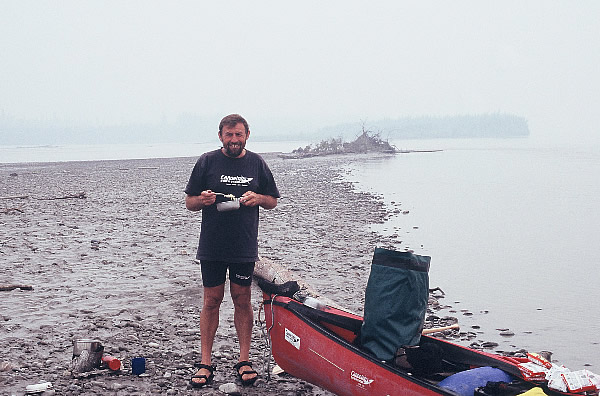
The smoke created an eerie feeling.
Friday 2nd July. The wind never let up during the night, it was unrelenting and in the early hours of the morning the tent flapped and sleep was hard to muster. There was a distinct chill in the air and as I
considered getting up I heard Ed open his door and complain. His words were certainly warranted; it was ‘bloody cold’ outside, the coldest that we had yet experienced since leaving the mountains. The wind sent a horrendous chill through the air. What a morning! How could it be so cold? Was it because we had risen an hour earlier or the fact that the smoke had blocked out the sun? On
the bright side there were certainly no mosquitoes, – nothing in its right mind would be out in these low temperatures. We had decided to get up earlier so we could get to the shop in the town of Circle to top up our supplies before it closed. Like true adventurers we leapt out of our sleeping bags with great enthusiasm forgetting the cold and ate breakfast whilst waiting for the water
to boil. Unfortunately, the stove needed a good clean, the water took so long to boil that Ed retired to his tent and didn’t reappear until it was time to leave, preferring the warmth of his tent to the promise of a hot drink outside. I finished my coffee, dismantled my tent and shouted to Ed that it was time for him to come out and brave the weather. We just couldn’t believe that it could be so cold after experiencing days of extreme heat, and left our camp dressed in thermals and paddling
jackets. As we paddled in the haze again, I was wondering how much longer we would have to paddle Alaska with limited visibility. The smoke ruined the grandeur of our passage and our journey would lose a lot of its impact if it didn’t clear. Surely there can’t be fires everywhere in Alaska? We later learnt that there were fifty three different fires burning, the worst season that
Alaska had experienced for many years. We moved through a smouldering section where the smoke haze was particularly thick. Little could be seen of any cabins along the wide river but we did spot a tall cross on the hillside, known as Fourteen Mile Grave. When two power boats sped around a corner, I knew that we must be getting close to the community of Circle. The river widened creating several channels and we had to make our way from the right hand shores, across several intersecting channels to the left hand shores to where Circle stood. The haze considerably reduced visibility and made it more difficult to navigate. We spotted Circle across
the vast river system. A huge new building (apparently a hotel) was perched on the river bank with several much smaller dwellings on either side, looking insignificant in comparison. We moved closer to the huge building only to see it was far from finished, just a giant outer shell of a hotel waiting for the insides to be fitted out. This building didn’t really fit in with the rest of the community housing, apparently it was a pipe dream that after several years the hotel still hasn’t come to
fruition. Several boats were pulled up on shore and tied off, including a raft that reminded me of a colourful hippy van. We pulled in to the right of the boat ramp, unleashed our spray cover and started unloading. Getting the stove fixed was a priority, I was convinced that a good clean would restore it. At the store we bought bread, cheese and corned beef for lunch and then returned
to the boat to eat. Two Japanese paddlers were camped nearby. One of them walked over and introduced himself as Jiao. His friend Da turned out to be a godsend. He had the same stove and repair kit and he insisted on stripping it down to clean it for us. When he gave it back to us it boiled our pot of water in no time, it was just like new again. Thanks Da! The Japanese guys had told us about showers and washing machines in the next street, so we made a beeline for them. Once our clothes were thrown into the washing machines, I walked to the second store to check out the goodies. I tried the phone box near by and rang Jenny. An echo on the line made it difficult to talk. I called the shop and Alaine said she was too busy to talk at that time. Nice to
know business was doing well. Later Ed tried ringing his Mum but she wasn’t in. He hadn’t spoken to her for weeks. We decided to stay in Circle that night and erected our tents on some long grass on top of the bank overlooking the canoe. By doing so we stirred up a swarm of small flies and mosquitoes which very soon became extremely annoying. A local First Nation woman walked towards our camp and asked me in a loud voice if I would take her out on the river in my boat. I told her that I only had a canoe and it would be impossible. She appeared a little drunk and said “Well, I’ll just go and walk in the river then”. She took off her shoes, pulled
up her trousers and waded in. “You see, I told you I would go in”, she said with slurred speech. She walked out again did a couple of turns, as if it was some sort of fashion parade, talked loudly about what she was doing and started walking back in the water. She waddled in further this time and suddenly fell over in waist deep water, bum down and legs up. She picked herself up and then promptly fell back down, like a beetle lying on its back and struggling to get up. This time she had fallen
further into the current and I was just hoping that she would get herself up before being swept away. She was one hell of a big lady and I wasn’t confident that I had the strength to drag her out. When she picked herself up I was relieved, and by the look on her face she had got one hell of a scare. When she finally struggled out of the water, dripping wet, she told me that she’d won
medals swimming underwater! “You see, I told you I would do it”, she said. She continued to talk and shout as Ed, hidden away in his tent metres away, listened with interest! She finally put on her shoes and started walking towards town mumbling about wanting to cool down! Her feet squelched and her trousers dripped leaving puddles of water along the track. I was pleased to see her leave. Soon after I had retreated inside my tent.
Ed's way of keeping the mosquitoes at bay.
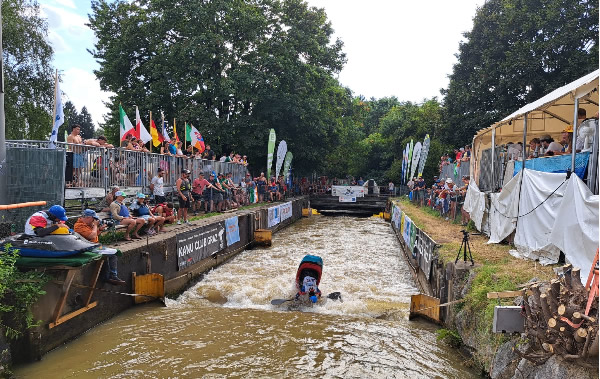
The 2024 ECA Canoe Freestyle European Championships in Graz.
The Sad Loss
of Bren Orton The paddling world has lost one of its
most beloved ambassadors, 29-year-old British whitewater kayaker Bren Orton. Orton went missing on May 16 while paddling with a group on the lower Melezza River in the Ticino Region of Switzerland. Community pages shared that Orton had become trapped in a recirculating feature and had not resurfaced. On May 30, 2024, the Ticino Police stated, “Shortly before 1 p.m. in Locarno, the lifeless body of the man who disappeared on May 16 while kayaking in the Melezza was found in the waters of Lake Maggiore. The alarm was triggered by a sailor who found the body in the water and immediately notified the emergency services.”
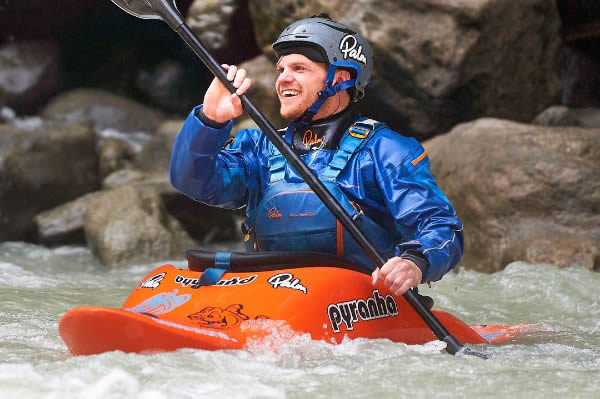
Bren Orton. Bren Orton, who has died in a kayaking accident aged 29, was a world-class British white-water kayaker whose passion was to travel the world exploring and “running” wild rivers and big
rapids, and dropping over huge waterfalls. One of his most spectacular stunts was to paddle over the notorious Big Banana falls deep inside the jungle of Veracruz, Mexico, in December 2017, a drop of 128ft (40m).
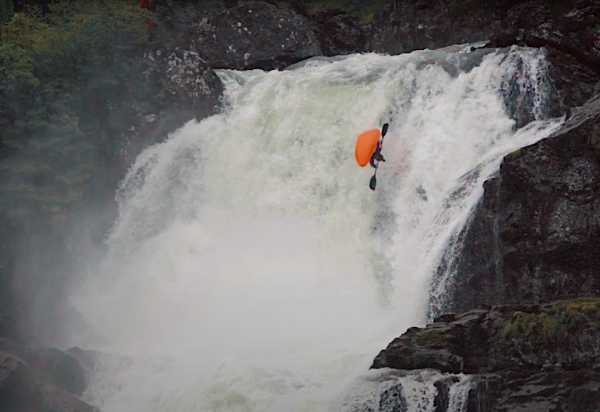
On a waterfall in Norway.
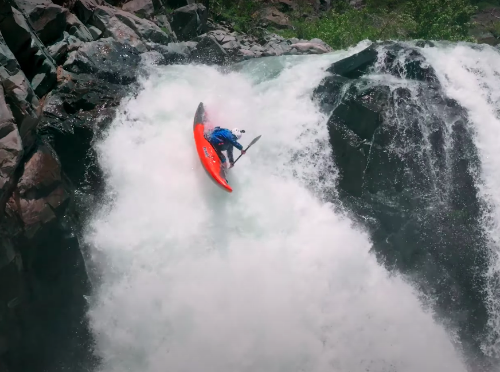
Bren on a waterfall in California.
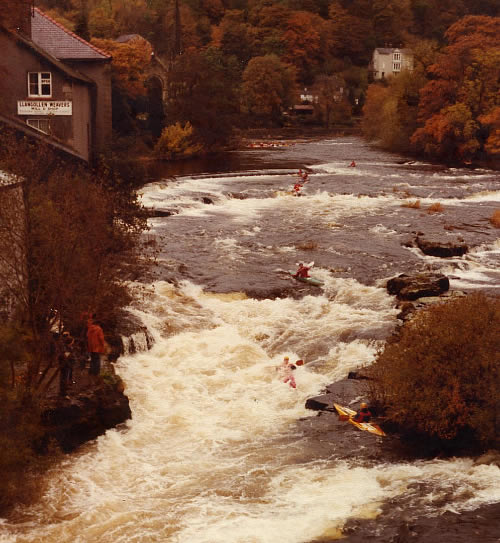
Bren Orton lost his life in May. To celebrate his life, paddlers gathered on August 31st on the River Dee in Llangollen.
The Dee was special to Bren. It's where his passion for kayaking began and his enthusiasm for daring river challenges was an
inspiration.
A Day to Remember Bren OrtonOrton was one of the most gifted paddlers of his time. He was known for aerial freestyle displays on high-volume river waves and descending demanding sections of river around the world,
including one of the tallest waterfalls ever run—128-foot Big Banana Falls. More so though, Orton will be remembered as an ambassador of the sport, bringing a grinning ear-to-ear stoke both on and off the water. He was a person who provided encouragement to paddlers of all abilities he encountered. And through the authentic and welcoming persona he displayed on his online platforms,
including the Senders YouTube channel, he fostered a connection with countless others. In the weeks since Orton was first reported missing, the
evidence of his impact on the sport has continued with outpourings of admiration and tributes from across the whitewater community. bren orton youtube - Search (bing.com)
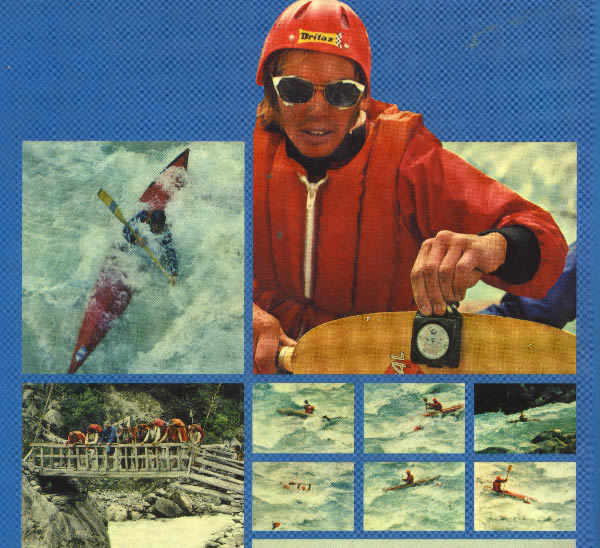
Remembering Mike Jones Mike Jones lead the 1976 Dudh Kosi expedition and was the leading expedition kayak paddler of his generation. He drowned two years later in Pakistan when paddling
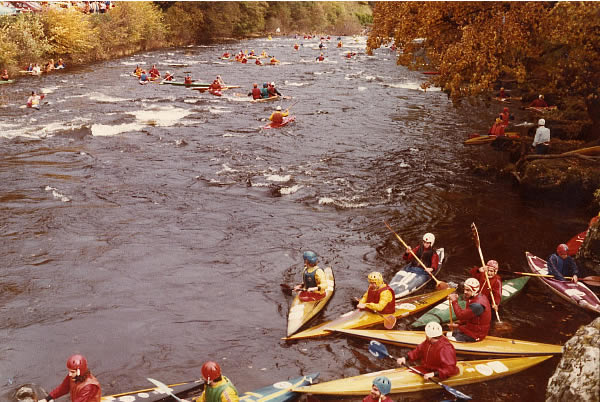
on the Braldu River that flows off K2 the world's 2nd highest mountain. After his death a memorial fund was set up in his name by his parents to promote kayaking and exploration. Since early 1979, there had been a special weekend of kayaking and canoeing on the River Dee in Llangollen. It was called the Mike Jones Rally.
Mike was a kayaker and adventurer. Amongst others, he undertook expeditions to the Blue Nile, the Dudh Kosi (down Everest) and finally K2. In 1978, while rescuing his friend from the depths of the
Braldu River that runs off K2, he sadly drowned. One of his fellow expedition members, Dave Mamby, set up the Mike Jones Rally and a charity in Mike’s name to raise money. From a couple of hundred attendees in 1979, it grew to several
thousand when it ended 10 years later.
Mike was born in the early 1950s in Yorkshire, England. He began kayaking in November 1965 at age 14. He described his first time on the water as an "exhilarating and exciting day, despite the fact that I spent more time capsizing and swimming than paddling." That winter he learned to roll. He took up slalom kayaking and took part in his first expedition in 1969. It was led by 19-year-old Jeff Slater. The group paddled the River Inn. Jones was seventeen at the time and worked "feverishly" over a five-week holiday to raise his contribution to the expedition's funds. They arrived at St Moritz in July after a warm up in Germany and Austria, described as a "baptism of fire". On arrival at the Inn, he soon realised why it
had earned the title of the hardest stretch of water in Europe – it was in a steep gorge and from 1,000 feet (300 m) above the rapids still appeared huge. The descent lasted five days, badly damaged eight kayaks, and nearly killed one team member. In autumn 1971, Jones was an undergraduate studying medicine at Birmingham University. During the winter and spring of 1971/72 he planned two more trips, and in June 1972 he was appointed team manager of the British Universities Slalom and Whitewater team competing "with considerable success" in three international events in Europe in the summer of 1972. Within hours of completing his pre-clinical exams, he set off for Austria without even knowing the results. Jones's subsequent expeditions included the
Blue Nile, where local bandits were as much of a threat as the river. Mike Jones turned 21 on this expedition, huddled inside a wet sleeping bag and sleeping with a 45 Colt revolver in his hand. On his return from the Blue Nile, Jones wanted to make the first descent of the Dudh Kosi. This river, whose source lies in the Mount Everset region, falls at approximately 280 feet per mile
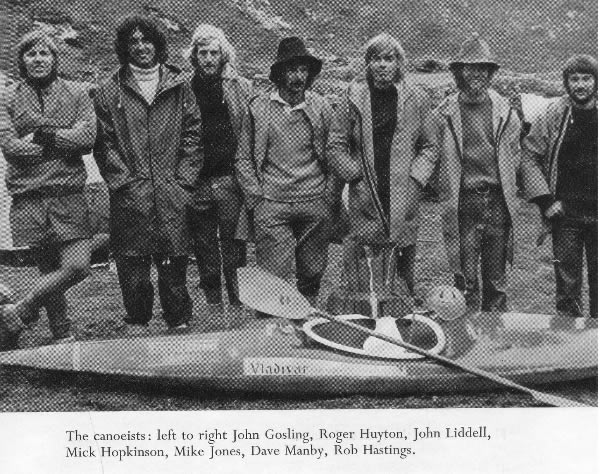
(53 m/km). By comparison, the man-made 1972 Olympic slalom course at Augsburg in Germany falls at 50 feet per mile (9.5 m/km). The launch off was at a record 17,500 feet (5,300 m) above sea level and runs for 80 miles (130 km). The team consisted of Mike Jones, Mick Hopkinson (part of the Blue Nile team), John Liddell, Rob Hastings, Roger Huyton, Dave Manby and John Gosling. The expedition suffered many problems with finance and sponsorship, and several people declined any
involvement as they felt the risk of dying was too great. A film – Dudh Kosi – Relentless River of Everest – recorded the expedition, and it won 12 international awards in 1976. Jones died in 1978 on the Braldu River which flows off K2, the world's second highest mountain, in Pakistan. All of the team from the Everest team were on the expedition plus Peter Midwood. He died
whilst trying to save a companion, for which he was awarded the Queen's Gallantry Medal,(QGM).
In 1980 I attended the Mike Jones Rally weekend on on the River Dee in Llangollen. There were hundreds of paddlers there. The kayaks we used back then were so different to the small kayaks they use
today.
On the Friday and Saturday evenings there were guest speakers who presented in the Llangollen Town Hall which was packed out.
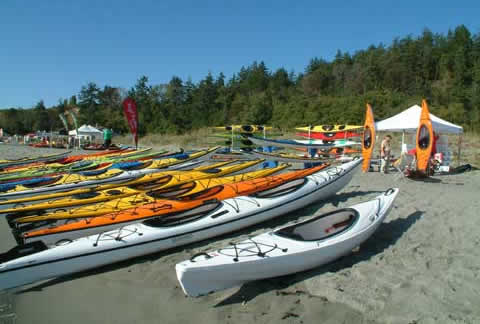
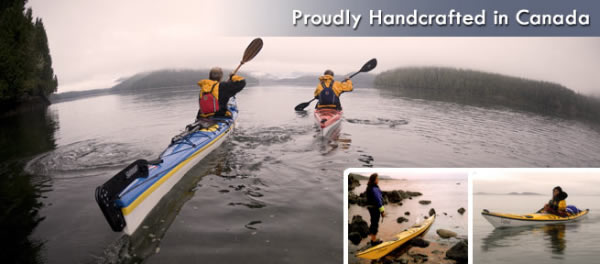
Seaward Kayaks Stop making boats Seaward Kayaks officially announced its closure last week after almost four decades in business, marking the end of an era for a cornerstone of the sea kayaking community. The Seaward story began in 1986 when Steven Ree and Geoff Workman, two pioneering figures in the North American sea kayaking industry, joined forces. Under the ownership of Ree and his
wife Jacquie, Seaward earned a reputation for crafting high-quality composite kayaks on Vancouver Island, British Columbia. The kayaks became trusted companions for paddlers worldwide, from recreational enthusiasts to outfitters leading multiday expeditions.
After 38 years Seaward Kayaks will no longer make kayaks.
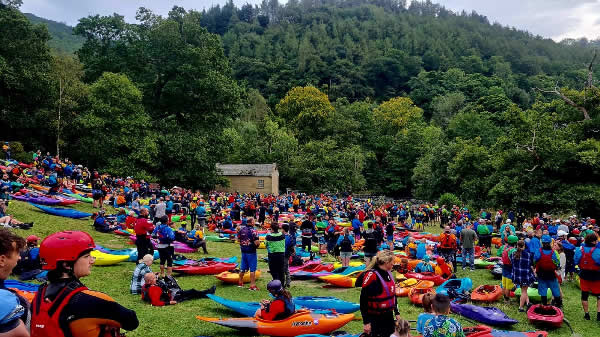
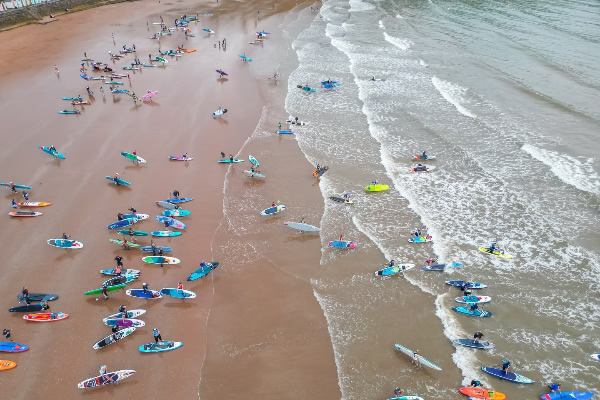
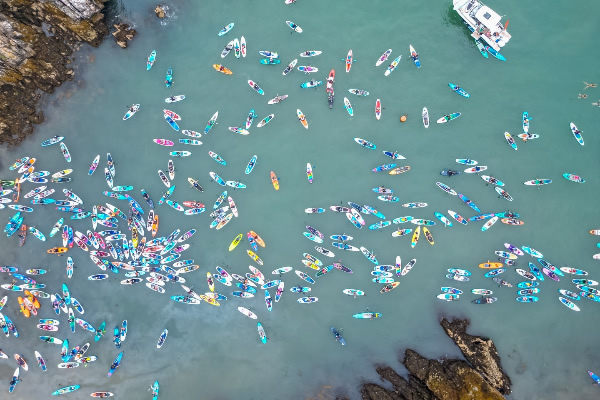
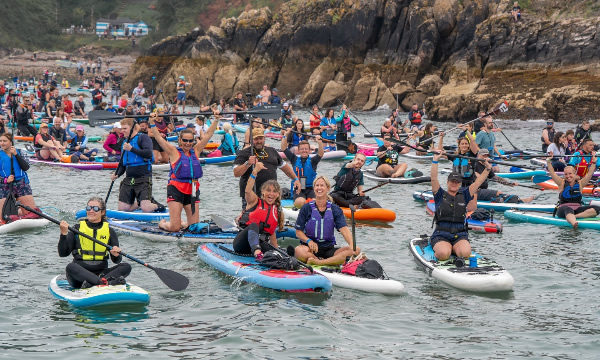
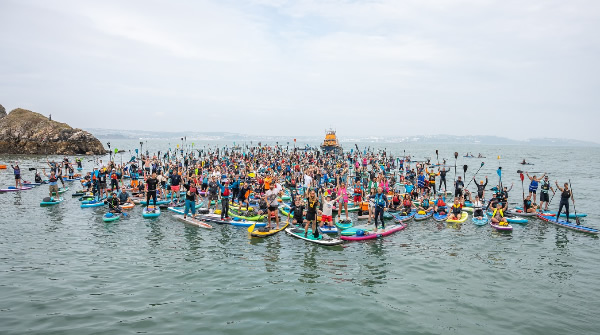
SUPs at Torquay, UK 654
Paddlers Despite the weather challenges, there were 654 SUP paddlers joined this year’s Paddle Parade! We may not have broken the 844 record but 2025 will be the year! A massive thank you to everyone
who participated and helped us raise an incredible amount for the charities involved. Your dedication and support, even in the face of less-than-ideal conditions, truly made this event unforgettable.
They gather. A lot of blue.
Final Count is In: 654 Paddlers!
|
|
|
|
|
|
|
|
|
|