|
|
|
|
I have kept away from whitewater this winter so I can concentrate on my flatwater training and not get any injuries before I head to Croatia. Then on Tuesday afternoon Jenny was walking our greyhound Leena when she darted and took Jenny with her. By the time Jenny let go of the lead she was heading for the ground and what
turned out being a hospital visit. A few hours later she came out of Midland hospital with a fracture in the right upper arm and a possible fracture in her left wrist. (The two nurses who looked after her were great.) So with her left arm out of action and her right arm out of action I have suddenly become one of the best carers in the world!!
I have kept away from white water this year to make sure I got to the World Masters Canoe Marathon Championships and two weeks of sea kayaking along the Croatian coast injury free.
- Three of our WA Paddlers Heading For Croatia
- 2024 world Wild Water Championships
- WA Wild Water Championships -
Bridgetown
- Collie Water Release
- WA Slalom Championships - This weekend
- Olympic Slalom Crowd
- The Yukon River Descent
- The Avon Descent Photos
- From Denmark 2023 to Metkovic Croatia 2024 - Marathon Champs
- Coming Events
If you think one of your friends would like to receive this newsletter get them to enrol here:- https://forms.aweber.com/form/69/953459969.htm
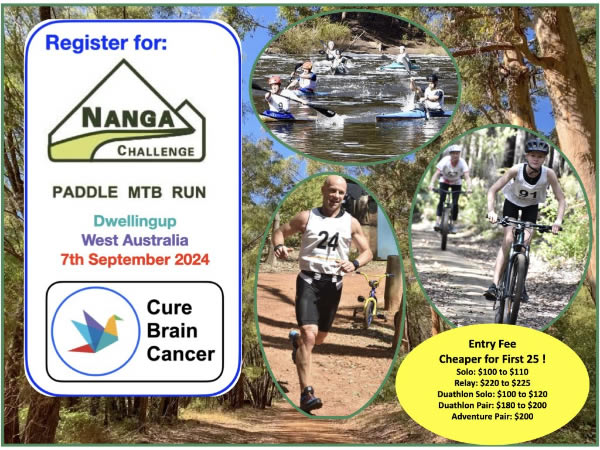
Coming Events - 7th September 2024 - Nanga Challenge
- 16-17th September -
World Masters Canoe Marathon
- 19th - 22nd September - World Canoe Marathon
12th October 2024 - WA Ocean Racing Championships
WA Slalom Championships Welcome to Winter Series Race 4 STATE CHAMPIONSHIPS -
Sunday 25th August, 2024 at Walyunga National Park Enter Here:- https://www.webscorer.com/register?raceid=351099
The World Canoe Marathon Championships at Metkovic, Croatia are coming up. These WA Paddlers have a great chance to do extremely well.
Dave Berglund. (K1 Masters 65+) Dave is on fire so I expect that he will be in the top three in the 65+ and also taking home a medal in the K2 with partner Peter Currie as
well.
Josh Kippin. (K1 Open) Josh has been training extremely hard to do well in the open K1. When you see him paddle it's hard to think anyone can beat him.
Gary Nagy. (C1) Gary is at the top of his game so it will be great to see him on the podium.
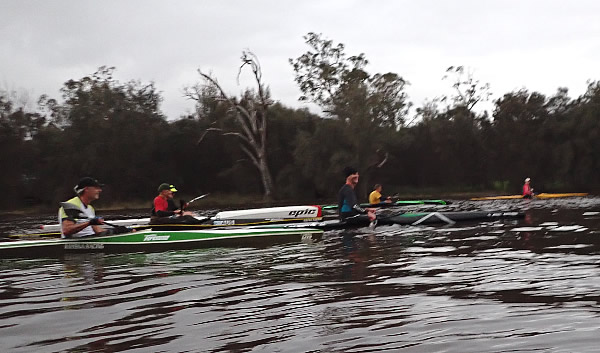
We had some serious stormy weather just lately and Thursday night at the Island Sprints at Ascot was no exception. Waves on the river were so big they washed into our cockpit. Matt, Brett, Trevor,
Chris, Dave and Bronwyn. You can't stop your training just because it is a bit stormy. Get out there.
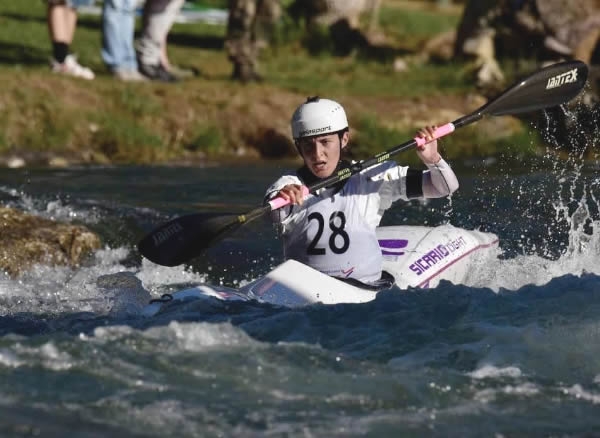
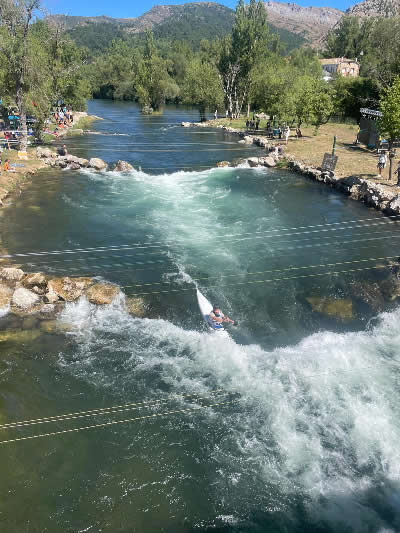
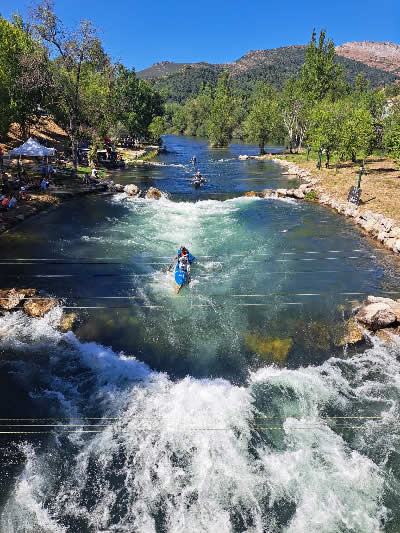
2024 ICF Wildwater Canoeing World Championships
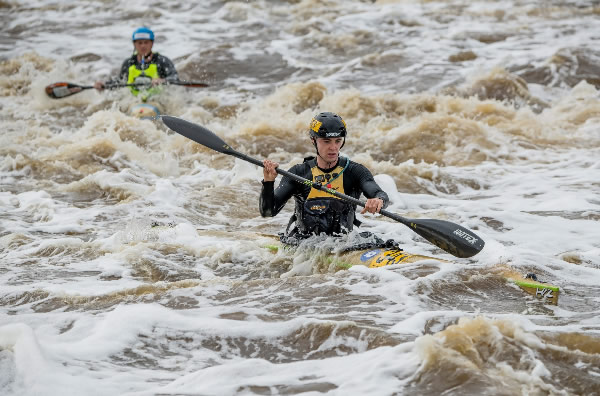
Nina Mueller in full action. Photo Pete Atkinson
A team of six paddlers made our country proud at the recent 2024 ICF Wildwater Canoeing World Championships, skillfully representing Australia on the world stage.
Held from 14-18 August 2024, the Open and Masters World Championships saw talented paddlers from around
the world converge on the waters of Sabero, Spain for a chance to etch their names into the history books.
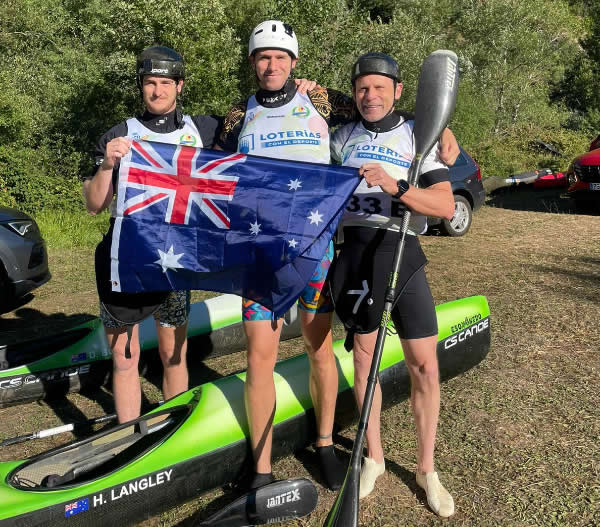
David Burdett, Matthew Dalziel, Riley Galea, Robert Janiszewski, Harry Langley and Nina Mueller began their campaigns with the Classic event, before Dalziel secured the ultimate result on the second day of competition, becoming Masters World Champion in the K1.
“Winning a World Championships is a real rush,” said Dalziel.
“In wildwater you have to wait to see the last competitor’s time so the anticipation adds a big element of excitement even after you’ve finished.
“I had a great run, so I was proud of that, but was wondering if it was enough. Then when I
knew I had won, the emotions I was suppressing just burst out,” he said.|
Dalziel, who had placed in the top 20 paddlers in the Open category the day prior, said soaking up the atmosphere at the finish line was a real highlight.
“Surrounded by teammates and rivals alike who are all celebrating your win feels wonderful,” he
said.
“Only your closest competitors know what you’ve really been through to get here so congratulations from them are so meaningful.
After the classic events, all eyes turned to the Sprint events.
After improving her time by almost three seconds
between the first and second heat, Mueller finished solidly in 24th.
“The atmosphere at a World Championships is pretty incredible, there are more athletes, more spectators and bigger teams,” said Mueller.
“Paddling alongside the best in the world is always exciting and very motivating. It is what we put months and months of training
into, so it is always fun racing knowing the hard work is done and it’s go time!
“Competing for Australia is always a privilege and we all do our best to make sure our support network back at home are proud of us. Seeing your name and “Australia” on the results list amongst a long list of incredible Wildwater athletes is pretty cool,” she said.
Planning to bring what she has learned back to home shores, Mueller is excited to see Wildwater grow in Australia.
“Wildwater in Australia definitely has the potential to grow. Competing internationally has shown me how big the sport can be and has made me optimistic for where Wildwater Australia can go.
“We can hopefully bring home some fresh ideas and inspiration to help encourage more people into our awesome sport.” Paddle Australia
David Burdett, Harry Langley and Matt Dalziel. 39 years ago Matt Dalziel (right) was in the Australian Wild Water Team competing at Bala, Wales. 39 years later he came 20th overall and 1st in the Masters Event. Masters – MK1
Matthew Dalziel – 1st
Men’s
Canoe Classic
Robert Janiszewski – 22nd
Women’s Kayak Classic
Nina Mueller – 30th
Men’s Kayak
Classic
Matthew Dalziel – 20th
Riley Galea – 49th
Harry Langley – 51st
David Burdett – 53rd
MC1X3 Sprint
Riley Galea/David Burdett/Robert Janiszewski – 10th
MK1X3 Classic|
Matthew Dalziel/David Burdett/Harry Langley –
12th
MK1X3 Sprint
David Burdett/Harry Langley/Riley Galea – 13th
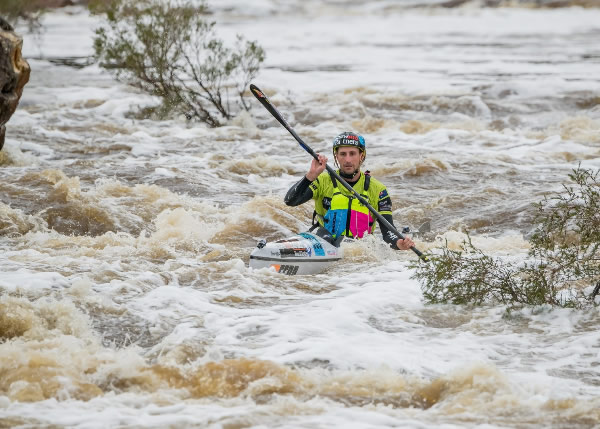
Matt Dalziel on his winning Masters Run. 20 seconds faster than the 2nd place.
C2s race down the course.
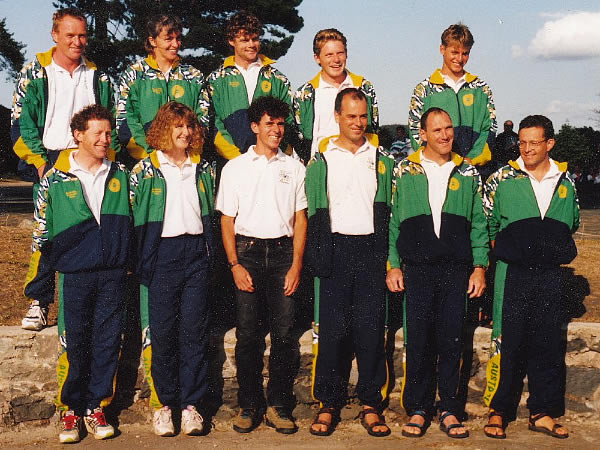
Pictured is the Wild Water Team at Bala, Wales in August 1985. Top row. Keron Hepworth K1, Andrea McQuitty K1, Piers Goodman K1, Matt Dalziel K1, John Wilkie K1. Bottom row. Team Manager? Burnadette Payne, French coach? Ken Miller C2, Dave Worthy C2 and Ewen McGregor C1. Keron, Piers, Matt, Burnadette, Ken, Dave and Ewen were all from Western Australia.
WA Wild Water Championships Bridgetown
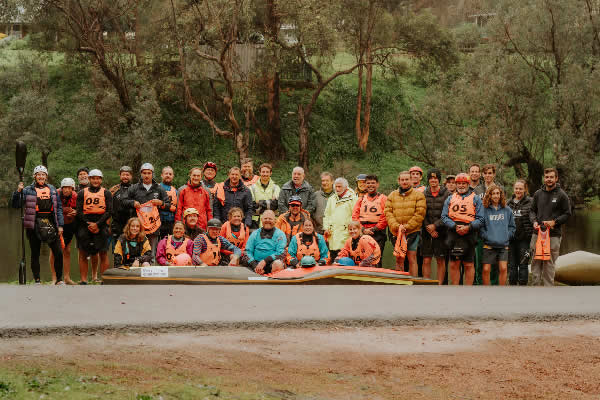
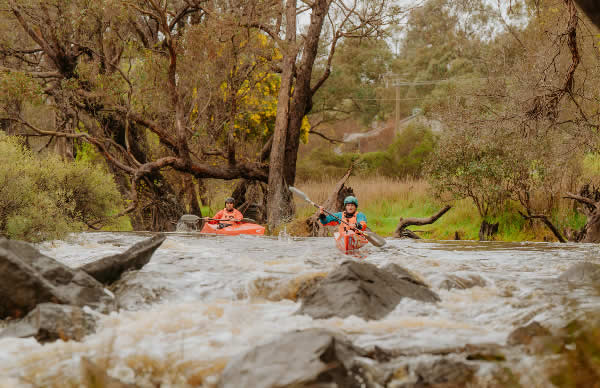
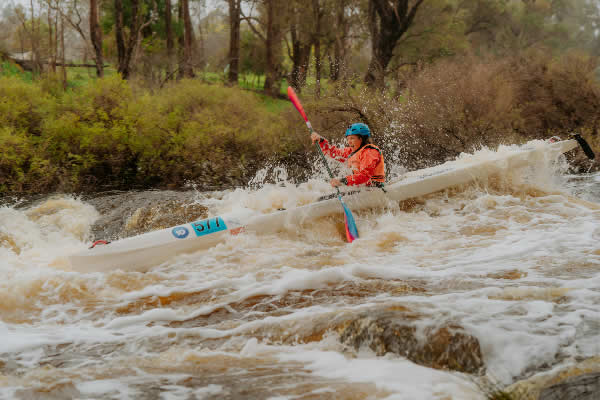
Paddlers ready for excitement. This is a great weekend if you ever get a chance of going down.
Steph Bedden-Smith showing Manny the route.
I think Tashka got a bit of a surprise.
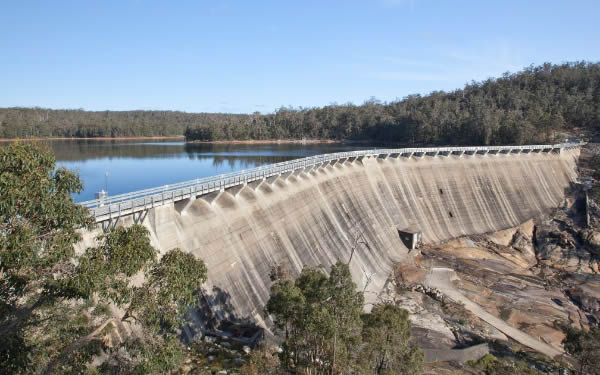
Wellington Dam Release Harvey Water have advised that there will be a max flow 450ML+ water release from the Wellington Dam on the Collie on Saturday 24 August from first light until approximately 5pm on Sunday 25 August. The Collie is a technical
white water river with multiple channels, potential hazards and grade 2-3 rapids. It’s essential that if you haven’t paddled it before you go with a group who know your skill level and know the lines. Thanks to Harvey Water and PaddleWA for enabling notice of this release to be provided. Duncan Ellis
WA Slalom Championships Welcome to Winter Series Race 4 STATE CHAMPIONSHIPS
-
Sunday 25th August, 2024 at Walyunga National Park Setup and registration from 8:00am, Racing starts
at 8:30am We need all participants of this race to be members of PA either through a club or direct to ensure that you are insured. If you are a
memberof a Kayak Club or PWA Direct Member then the Race Fee is $15 Pay on the day or direct debit to Paddle WA (please make sure that you add .07 cents (either $10.07) to help PWA recognise this as a slalom race payment. if you are not a member you can join here https://paddlewa.asn.au/our-clubs/memberships/ once you have joined Paddle Australia you will need to come back to webscorer to register for the race.
Helmets and PFDs are compulsory. Look forward to seeing
everyone for a great morning of racing! Enter Here:- https://www.webscorer.com/register?raceid=351099
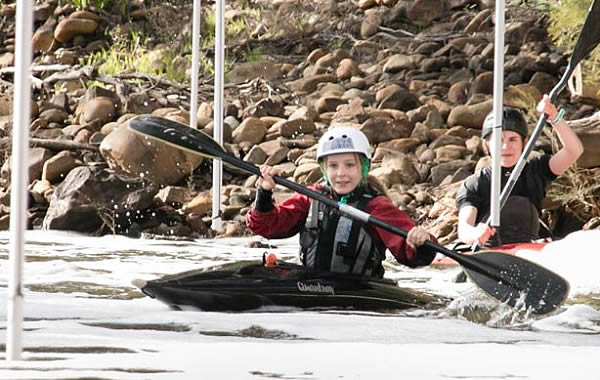
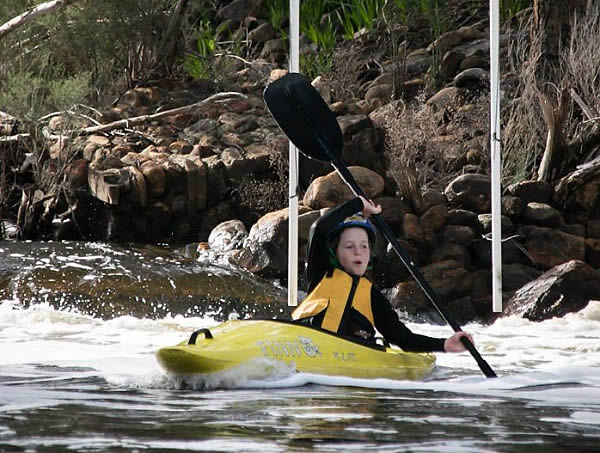
To grow up to be Olympians. Izzy Florisson (above) and Rhys (MacRae) below are on their way to be two of our best slalom paddlers. Pictures taken in 2020 so they have grown a little since these photos.
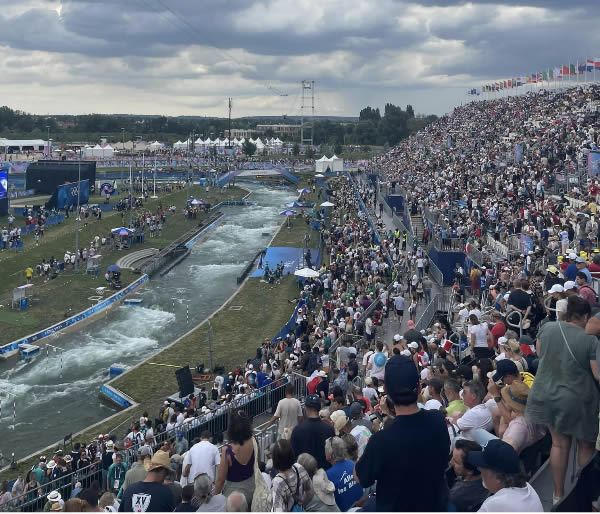
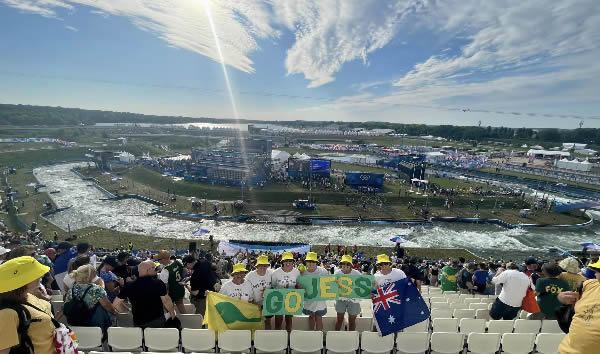
At the Olympic Slalom Event
Australian Medals Women x 30 medals Men x 21 medals Mixed 2 medals Swimming x 19 - Cycling x 7 - Athletics 7 Paddling x 5 Skateboard x 2 Rowing x 1 - Water polo 1 - Diving x 1 -
Tennis x 1 - Surfing x 1 - Sailing x 1 Windsurf x 1 - Shooting x 1 - Women's Basketball x 1 - Equestrian x 1
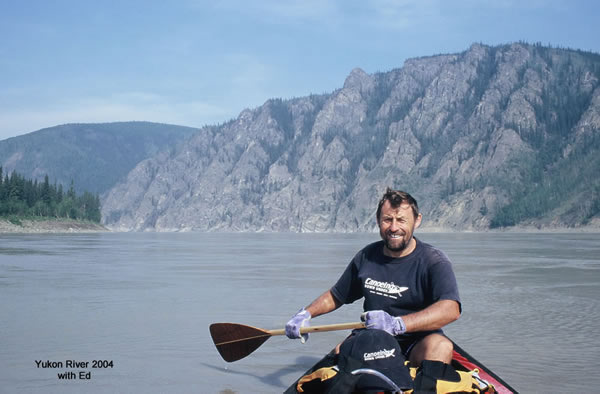
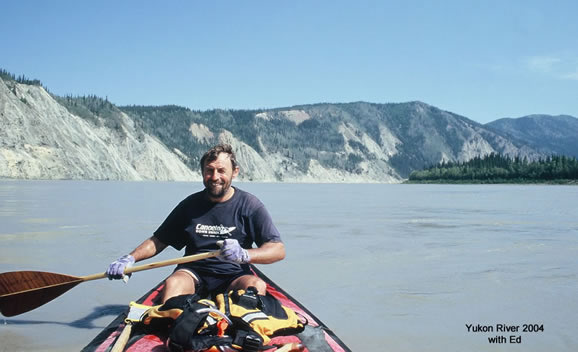
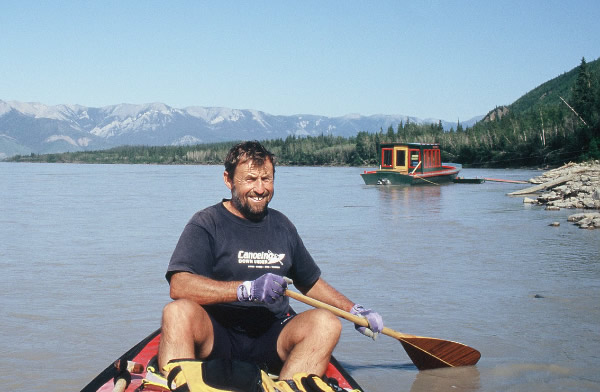
The Yukon River Descent With the race over and done with it was time for us to move on. About 3.00pm we dragged and pushed our extremely heavy canoe into the Yukon River. It sat low in
the water but it was well balanced. The clear water, which was coming from the Klondike River, a little up-stream from this point, was extremely cold. It was so perfect it would have been great to paddle in it for the entire length of the Yukon. But it wasn’t to be, within a few hundred metres this 15 metre wide channel of crystal clear water that ran along the edge of the mighty milky glacial Yukon River, blended into one and became murky. The gold mining town of Dawson had been an interesting and very pleasant town and I could have easily stayed there another day to relax and explore, but we were eager to get going.
With a few dozen paddle strokes we were in the main current, heading downstream at a fast pace, passing the ferry, the campground and an old boat left abandoned and
rotting on the river bank. We turned and took photos, the shore was deserted and the town was engulfed by a smoke haze. As we were whisked away by the current we soon passed the Mossehide Indian Village on the town outskirts. Now there was no turning back. This was the real start of our exciting wilderness journey. Over the next 2500kms of river we would only pass through native villages and paddle under one Road Bridge. We paddled on with the current, feeling pretty good, moving fast without working hard. At this pace it wouldn’t take us long to reach the end. Just as we were getting into the swing of it, we noticed a canoe further downstream with paddlers in red life jackets. There was no movement in the canoe, the paddlers looked dead or at least paralysed. As we closed in we finally saw movement from the person in the back, it was a guy tying a spinner to his fishing
line. The girl in the front, still sitting like a statue, was reading. We pulled up beside the couple who turned out to be Germans paddling a collapsible Norwegian canoe on their way to the small town of Circle. They were taking about two weeks to get there, which meant that at the speed they were drifting they wouldn’t have to paddle at all. The current was moving a good 10km an
hour. They had little luggage, only two medium sized backpacks. We drifted along with them for a while, passed beautiful cliffs, talking and listening to the sound of the water breaking over rocks near the shore. We then said our goodbyes and powered on to leave them to drift and relax. For a moment I felt envious of the slow relaxed journey they had planned. By 5.30pm Ed suggested we
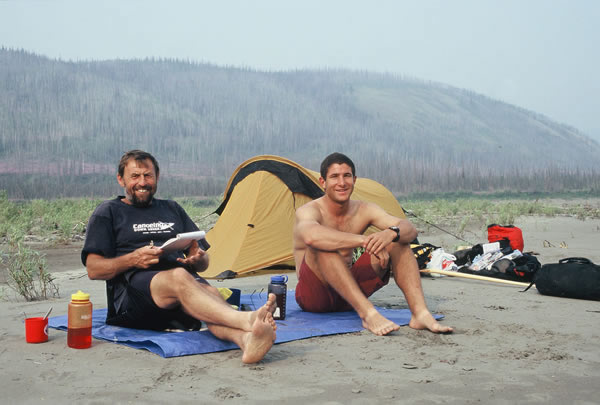
camp. We had only been paddling for two and a half hours sharing vistas of both mountains and cliffs and it felt too early to stop but we had already done 32kms so why not relax. We wanted to average 80kms a day, and at this rate we would have no problem. We found a good spot on an island. The water had gone down a few metres over the last few days leaving the slightly sloping banks
wet and slippery. It didn’t matter as there was still a good patch of fine dry sand to camp on. We erected our tents in the evening sun, sat, talked and read the paper. Life was good. I had brought the local Dawson newspaper with me. It read that the fires throughout the Yukon were getting out of hand. The hot weather had now become an official heat wave, the hottest 30 day spell in
decades. The hot weather had also caused a frenzied buying spree of cooling fans, all the big stores had sold out and hundreds were being shipped in urgently. How perfect it was for us to be relaxing on the riverbank with a hillside of beautiful mauve wildflowers behind us. From out of the quiet evening we heard a drumming, humming noise in the distance getting closer and closer. It
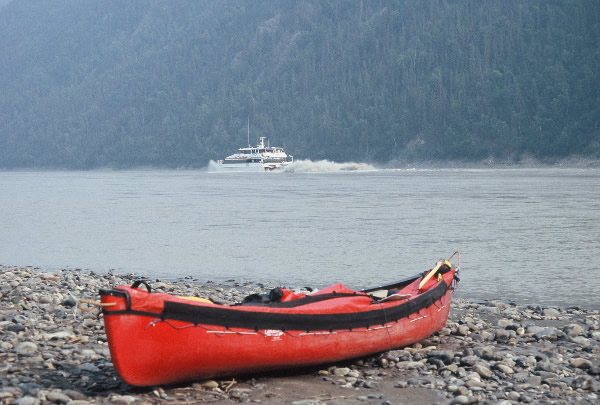
could only be a plane we thought, but then a big tourist boat, the ‘Yukon Queen’, came into sight. It was travelling at one hell of a speed causing a huge amount of water spray to shoot from the stern and rear sides. It would have been a great wave to surf. The skipper blew the boat’s horn when he spotted us sitting like royalty on the sandbar. We waved and as quick as it had come, it was gone.
Relaxed on an island after the pleasure and pain of the 720km race.
A big tourist boat, the ‘Yukon Queen’, pass our campsite.
Tuesday 29th June. We woke up on our wilderness island knowing that the crowds and civilisation were well behind us and if yesterday was anything to go by, we were in for some more magnificent
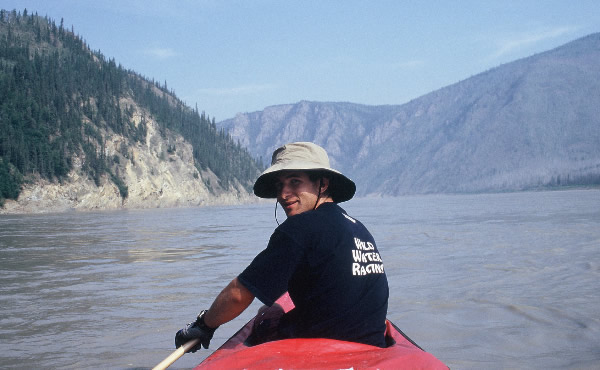
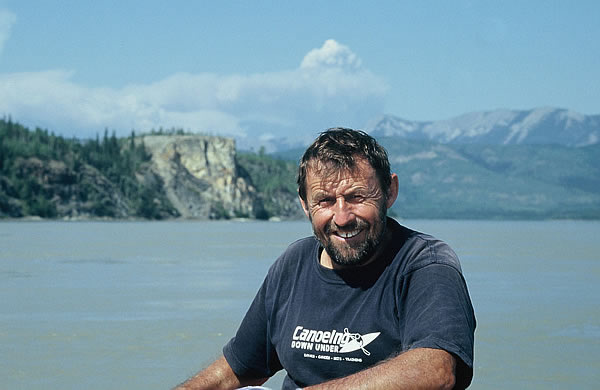
scenery. Sometime later we slipped around a corner to find scenic cliffs on our left and the huge vertical cliff of Mt Carmacks at the end of the straight. It was like being in heaven. We stopped paddling and let the boat drift and swirl towards it, whilst we gazed and took photos. The mountain was steep and rugged, and intersected with gullies and ravines that were dotted with struggling vegetation and trees. As we moved on totally alone, dwarfed by the huge cliffs and hillsides of trees, it was hard not to feel extremely lucky. By lunch we approached the Forty Mile River, 83kms from Dawson, and noticed a few rickety buildings on shore. Forty Mile was named for its distance from Fort Reliance, another abandoned settlement 9kms downstream of Dawson. Many of the rivers were named by the distance from forts or towns. In 1886, after gold was discovered 20 miles up
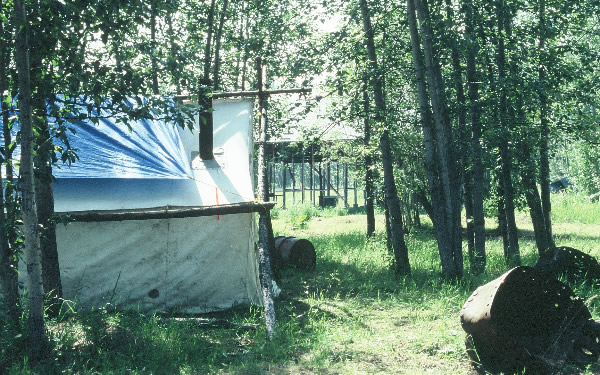
the Forty Mile River this site became a thriving community. Only a few abandoned buildings have survived the years. It was time to explore, so we beached and climbed the riverbank. There was a track that ran parallel to the river in both directions with grass edging it, the odd thing was that the grass had recently been mowed. We walked to the right towards the Forty Mile River and
Yukon River intersection, passing a large derelict barn on the way. An ageing large white tent stood in a corner near the shores of both rivers. It had a chimney poking out of one side. It looked particularly strange and it must have created a very real fire hazard, but I suppose the early inhabitants had to keep warm in a tent somehow. It looked old so we weren’t quite sure if it was still being used. We carried on exploring for a little while longer before returning to the
canoe.
We now had time to take in the beauty of the scenery.
Ed happy to be on the move.
The scenery was exceptional.
Forty Mile River abandoned settlement.
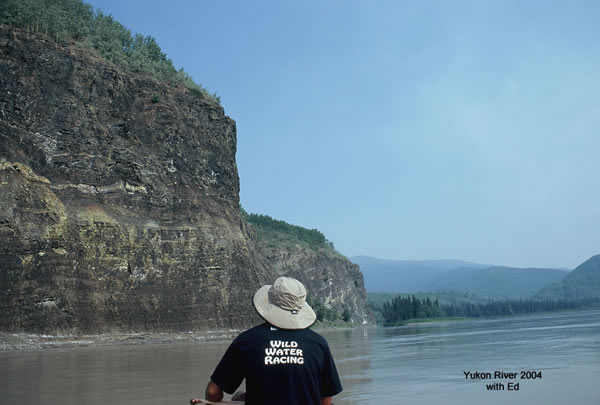
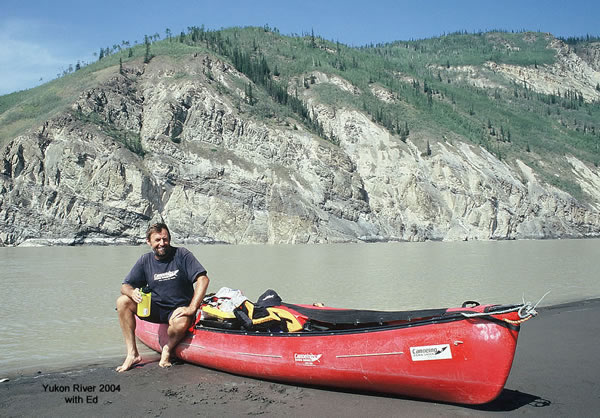
Though it was lunchtime we left the shores in the hope of finding a better lunch spot somewhere downstream. After crossing the junction of Forty Mile River we floated by the abandoned site of Fort Constantine and Fort Cudahy, seeing nothing at all to indicate communities had once been there. We found a lunch spot on an island just downstream, opposite a near vertical cliff face, and pulled the canoe up the muddy beach. Our surrounds were absolutely stunning; the white cliff face was riddled with crevasses and near horizontal rock folds and topped with grass and scattered pine trees. The sky was blue with wispy clouds on the horizon. We could ask for no better place to have lunch. With lunch over and stomachs bulging we moved on knowing that the river was riddled with history and historic sites, but it was impossible to stop at every one. The Yukon is said to be the world’s longest museum. With mining, fishing, hunting and woodcutting once being important industries many small communities had been created along the river but unfortunately very few have survived. Coal Creek was another deserted
but important landmark that we passed. Coal was located here in 1887. In the 1900s coal was hauled twelve miles by horse teams from the mine to the river. Later a 36″ narrow gauge rail line was built. By 1904, sixty men were working the mine producing approximately 10,000 tons of coal. But the construction of a hydroelectric power station on the North Klondike River soon put an end to the coal heat generated electricity and the mine closed in 1914. A history buff would have a field day
calling in on all the abandoned settlements along the river but we were here on a different mission.
The scenery along the way was much more impressive than our guidebook indicated. It showed cliffs in line form along the river, and historical sites, but it didn’t show the stunning mountain ranges in the background. As we approached two lofty isolated rock pillars called ‘Old Man’ and ‘Old Women’, which stood on opposite sides of the river like
buttresses guarding a castle, we made time to sit back and relax and allowed the current to take us downstream. Standing high and proud, hundreds of metres apart, these two striking pillars were awe-inspiring. We began to paddle again and as we started to turn a left hand bend, the majestic cliffs of St Paul’s Dome and Castle Rock loomed before us. Way across the river beneath the
cliffs a fish wheel was slowly turning. We moved on heading for Fanning Creek further downstream, which was situated next to the old abandoned Fanning Wood Yard. (Woodyards like this, for fuelling the steam ships, dot the entire route of the Yukon. At one time over two hundred steam ships served the isolated communities along the Yukon River.) A green boat lay at rest nearby, but as we closed in no one could be seen on the boat or on shore. The creek was crystal clear, cold and lined with lush
vegetation. We took time to fill some water containers but the mosquitoes rattled us and hurried us along. We backed out of the creek and were once again awestruck at the beautiful mountain ranges in the distance. The weather was quite unbelievable, it was the end of the day in the far north and we were still wearing t-shirts and hats.
We were very impressed with the scenery.
We pass an anchored boat but there was no one around.
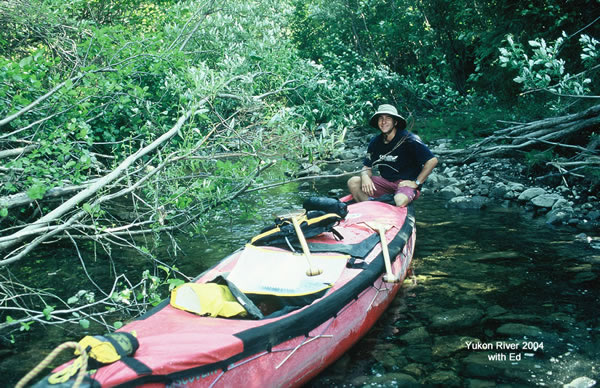
Ed collecting fresh water in a clear stream.
The day’s paddle ended on an island opposite Nester Creek about 10kms from the Alaskan border. A working fish wheel was anchored and spinning next to white rock outcrops on the west side of the river. As we erected our tents the peace was shattered by a powerboat that sped up to the wheel, stopped and within minutes two men were hauling several
good sized fish from it. Many of the fish though were thrown back into the river, probably undersized but what a feast we could have had! Wednesday 30th June. White rock outcrops. After the previous clear day, I was surprised to wake up to
a smoke haze. There was a little dampness in the air and it had been chilly during the night. From my sleeping bag I could hear the fish wheel across on the opposite shore circulating and making a splashing noise each time the arm hit the water. As soon as I crept out of the tent I could feel looseness in my bowels, and immediately grabbed the trowel and went running into the bushes to
go to the toilet. Phew, only just made it! The mosquitoes buzzed around my backside like little spitfires trying desperately to hit a target. I waved my hand like a windscreen wiper trying to scare them away but it was a risky manoeuvre!
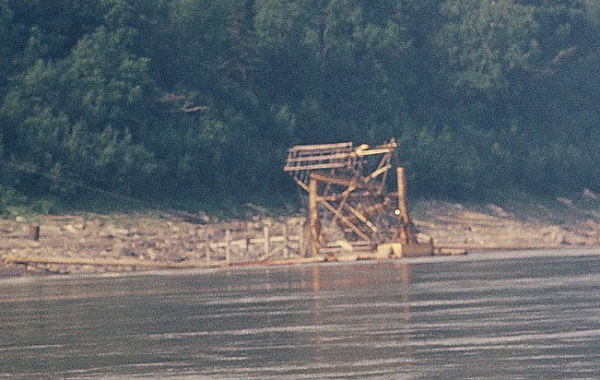
A fish wheel. It turns with the current and scoops up any fish that gets trapped in it.
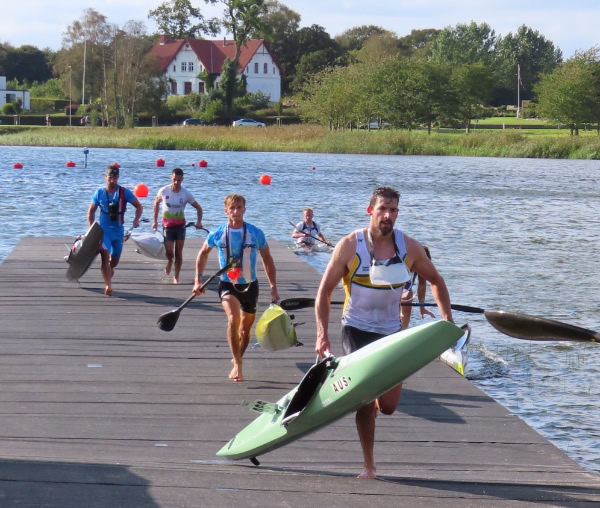
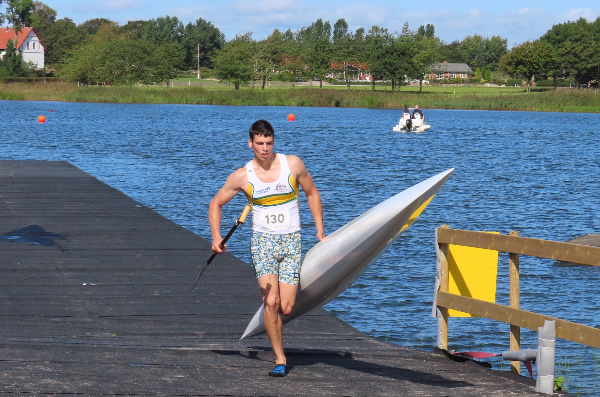
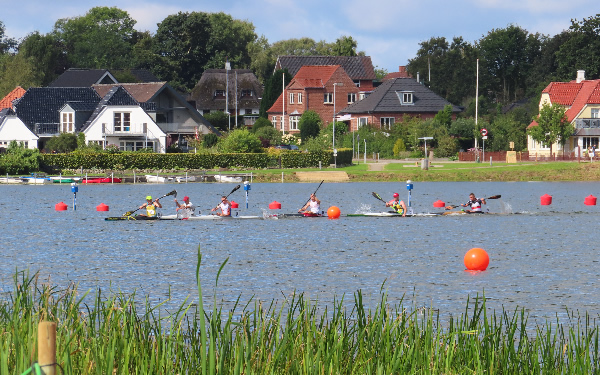
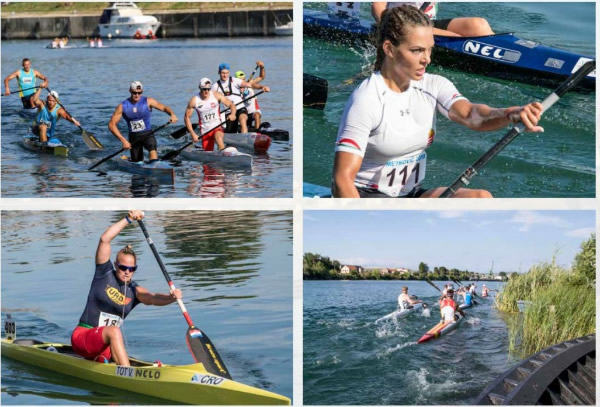
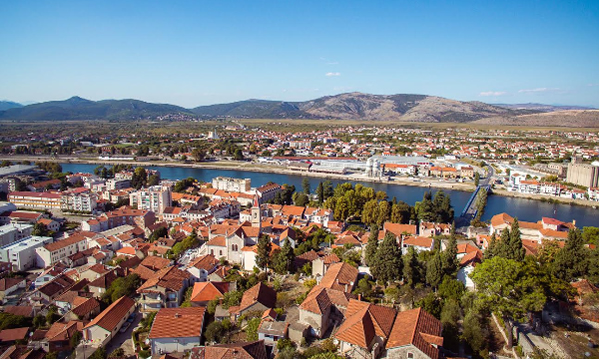
Denmark to Croatia Marathon Paddling The World Canoe Marathon Championships in Denmark took part on a countryside lake next to a small village, but in Croatia gold medals will be competed for on a river that flows through the town of Metkovic which will certainly have a different backdrop.
The world best marathon paddlers in the 2023 champs raced their was around a lake in the countryside.
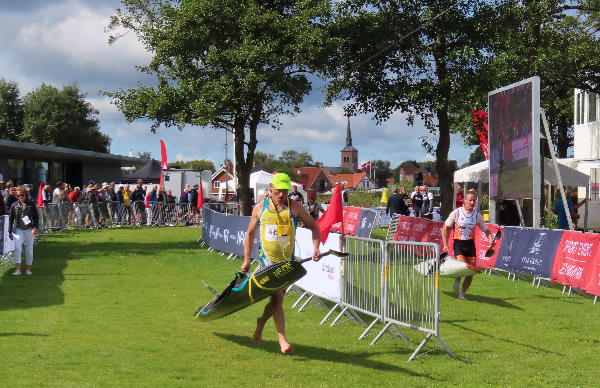
Brett Greenwood runs the portage with a village church in the background.
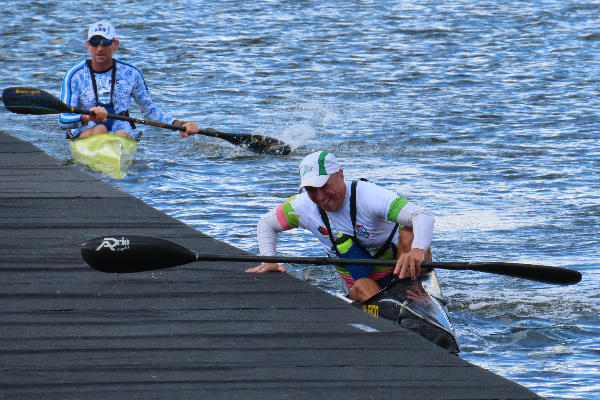
A portage. Not so easy when you are old! In Croatia I am paddling K1, K2 and mixed K2 with Nishani Jacob. Because she is so young I have to come down to her age group and that means I will have to portage on and off a pontoon. Being old this is going to be a challenge for me as lifting myself up from the seat of a kayak up on to a pontoon is now quite difficult. Nevertheless it's going to be fun trying. Nishani might have to dragged me up onto the pontoon. I'm hoping there will be no video coverage as it could be a bit embarrassing.
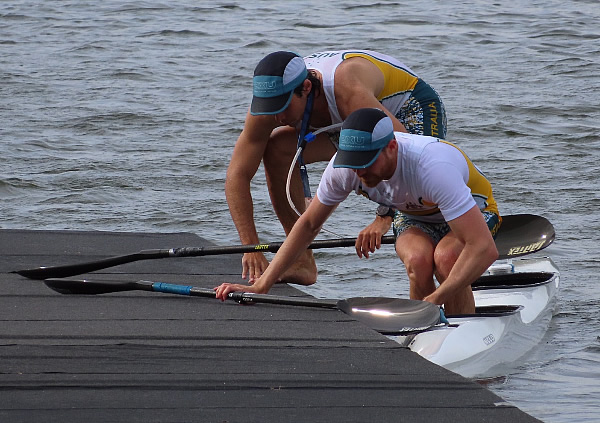
Young guns, Stephan Weyers & Coran Longwood leaping out of their K2 last year in Denmark.
From the countryside of Denmark in 2023 to the town of Metkovic in 2024, above and below.
Luke Dooley and Brendan Rice. Photo Gordon Innes.
Down wind ocean paddler legend Cory Hill teamed up with legend Michael Booth to compete in the Avon Descent. Photo Gordon Innes.
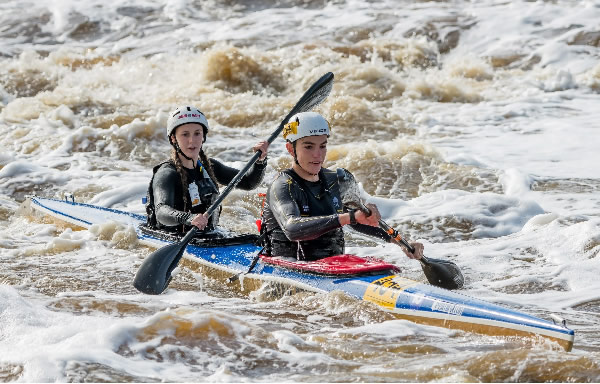
Lily Farrell & Hunter Florisson may be young but they came in second place in the K2 event. Photo Gordon Innes.
Dave Edwards loving the white water. Photo Gordon Innes.
That's a new way! Photo Gordon Innes.
Simon Wheeler & CJ Lawson. They might be in a slow ski but they finished.
Photo Gordon
Innes.
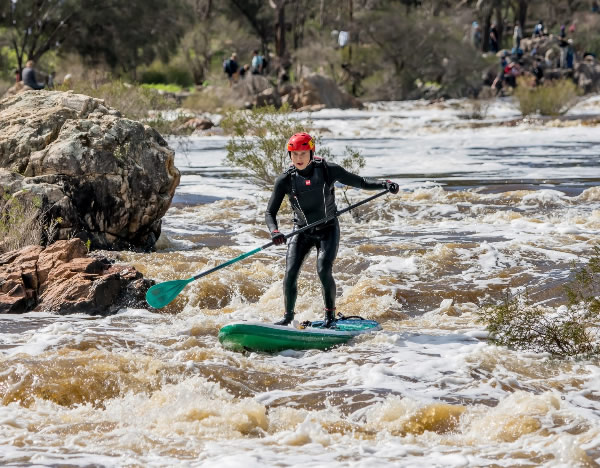
Marcus Barnett on a SUP tackling the rapids. Photo Gordon Innes.
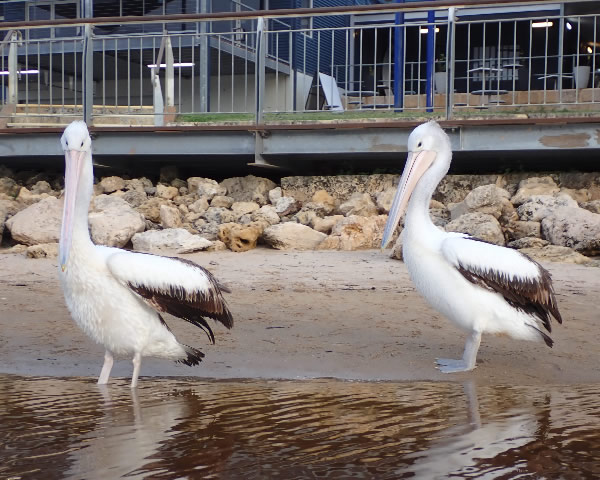
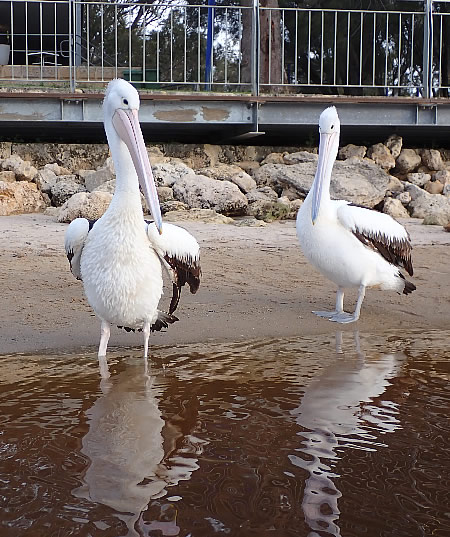
These two Pelicans I think were waiting for the Swan Cafe at Ascot to open.
Coming Events - 7th September 2024 - Nanga Challenge
- 16-17th September - World Masters Canoe
Marathon
- 19th - 22nd September - World Canoe Marathon
12th October 2024 - WA Ocean Racing Championships
|
|
|
|
|
|
|
|
|
|