|
|
|
|
- Paddle the Zambezi
- Dolphin Passing Ascot Kayak Club
- Paddler of the Week - Jill Roberts
- Who's Out There
- Island Laps
- Cycling in 45-48 degrees in the USA
- Olympic Hopefuls
- Marathon Championships - Josh Kippin training
- Dusi Marathon Race
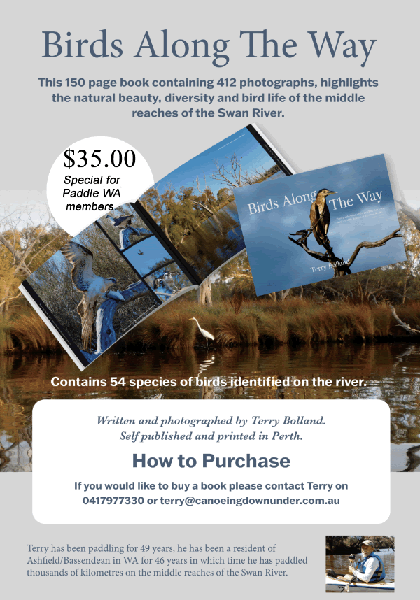
- Birds Along The
Way
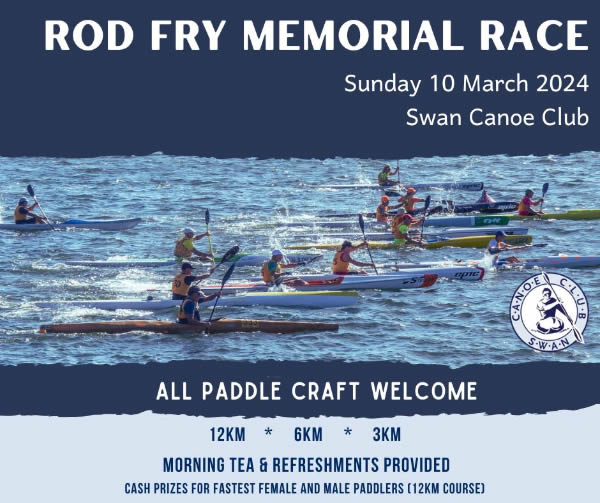
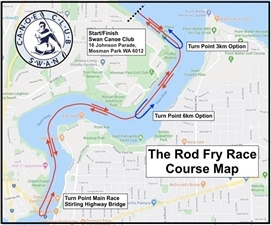
- Coming Events - Rod Fry Memorial Race
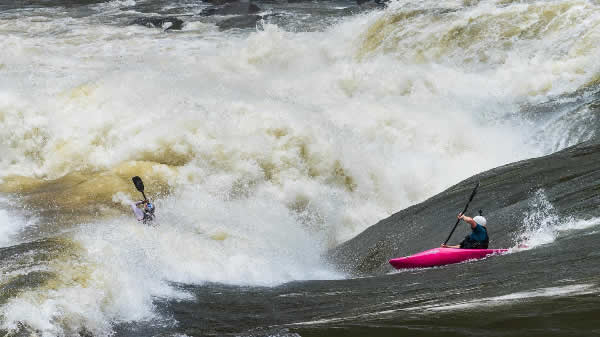
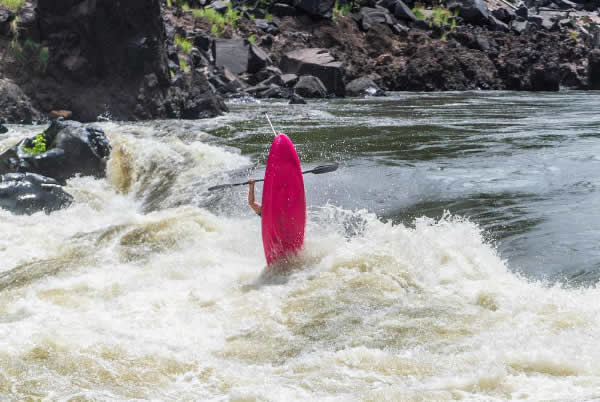
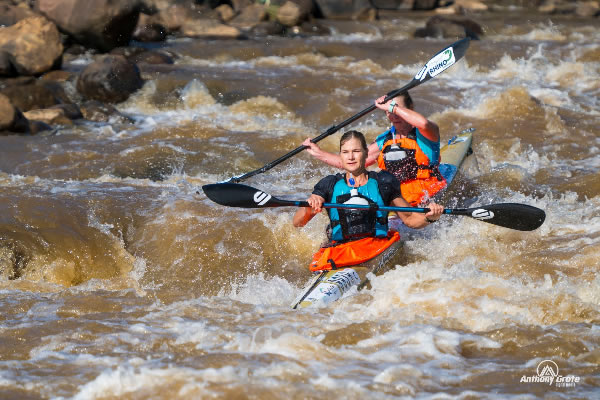
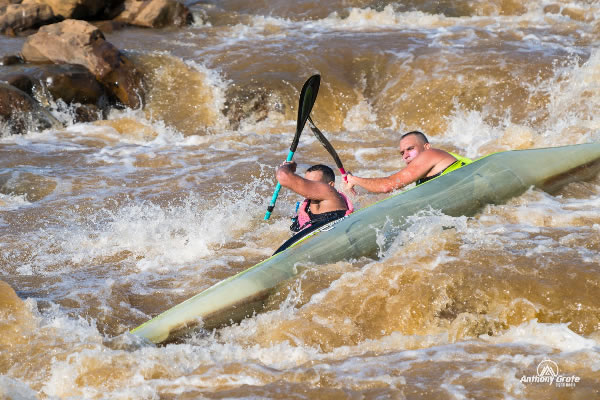
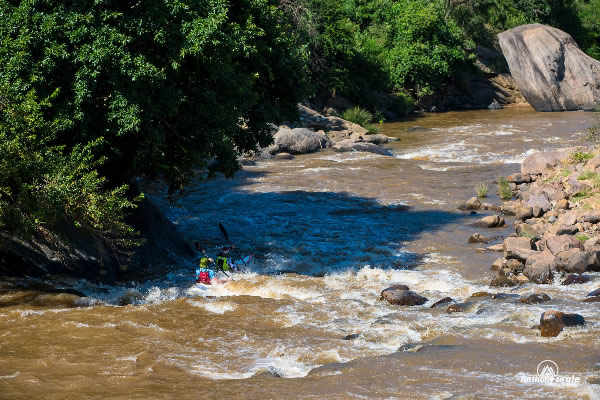
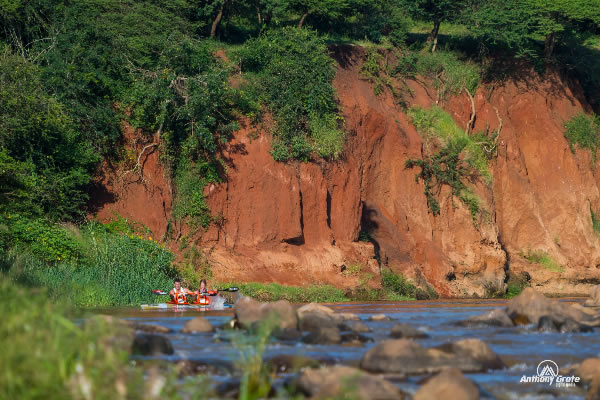
Zambezi River downstream of Victoria Falls
Photographs of @sambezi_kayak. Sam is a Vic Falls native, and
was born into a love for the Zambezi River. Sam recently launched a new business, Sambezi Kayak, and his working hard to bring the whitewater world back to the Zimbabwae side of the Mighty Zambezi River. The Zambezi can be split into various seasons when the river features are totally unique. 'Super high!' April through until mid June. OUTRAGEUOS BIG-BIG VOLUME BOATING.
'High water' Mid June through until July and February, March. Brilliant boating, powerful water, the river has a great feel about it… this is the start of the best period.
'Medium-low water' August through until September, January/February. An incredible level.
'Low water' October through December. As steep as the Zambezi gets. Kayak the Zambezi - Whitewater kayaking in Zambia
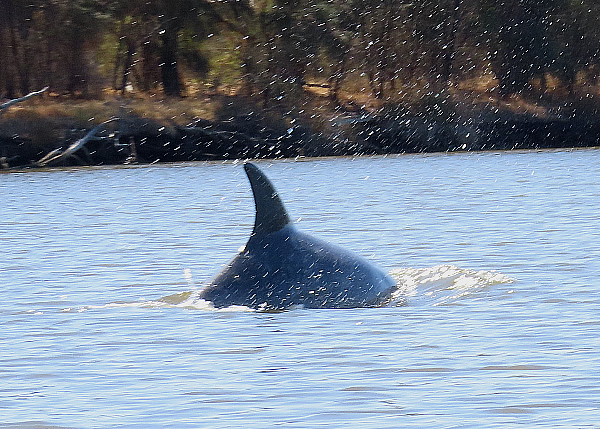
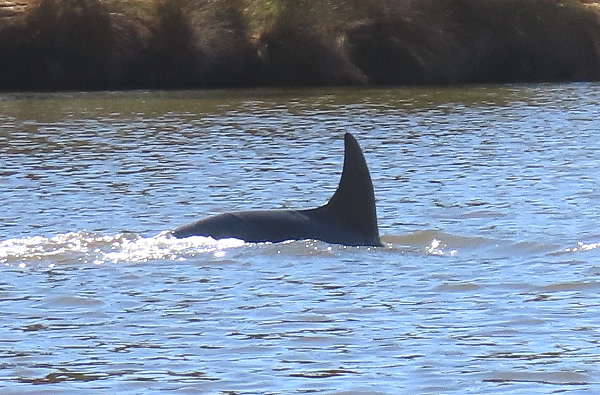
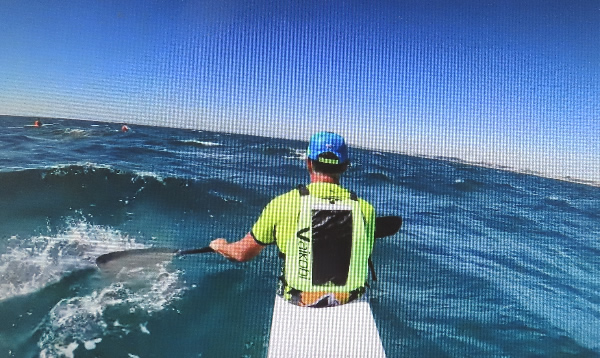
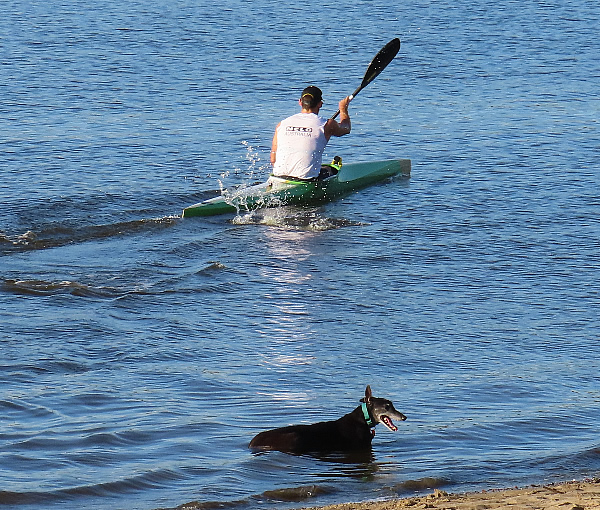
Dolphin Passing Ascot Kayak Club Once upon a time dolphins were regular visitors to the middle and upper reaches of the Swan River but nowadays they are not as
common.
It's always great to see dolphins so far up the river. This one was passing Ashfield and heading upstream towards Bassendean on Tuesday morning.
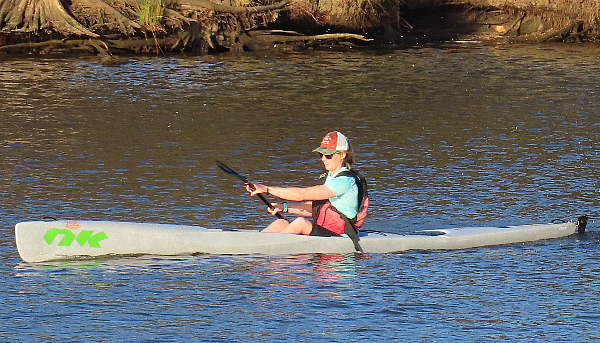
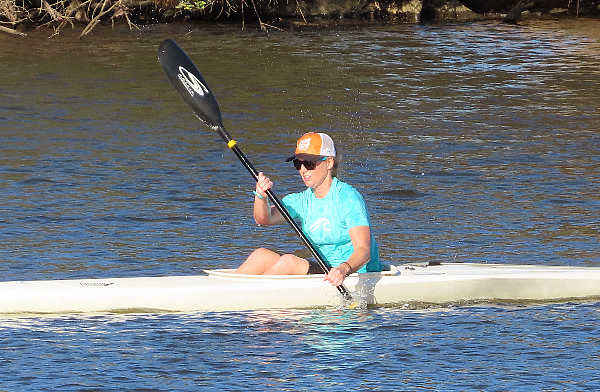
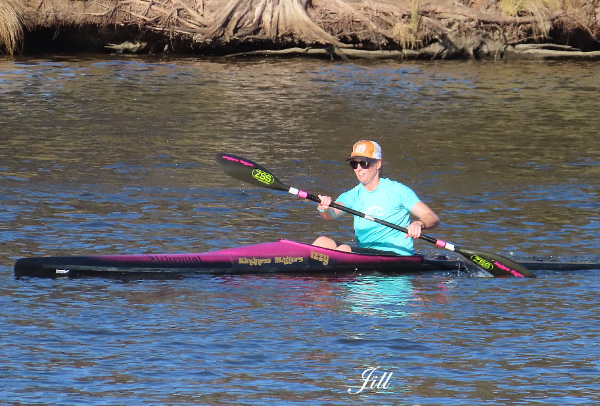
Paddler of the Week Jill Roberts Jill came to paddling from competing in multisport events. Her aim is to get skilled in white water and take on the Avon Descent. It was about October 2023 when she joined the Progressive Racing Group at Ascot Kayak Club. She paddled well straight away and has only got better, most weeks breaking her PB that she created the week before.
Jill started off paddling a heavy plastic club ski, but she still got it moving at an amazing speed. Her PB for the 3.8km course with 6 U turns in this heavy plastic ski is 23 minutes & 23 seconds.
She was then given an old model K1 which is much lighter and faster to get into racing faster.
But since Isabel Combe has lent her, her Alchemist K1 in some races she has been flying. Jill is now doing our 3.8km course with 6 U turns in 20 minutes and 4 seconds. No doubt she will get
faster. Only two other women have got a better PB on this course in the last 5 years. Sharon Cobley and Bronwyn Martin. Sharon C - 19.35 - Bronwyn M 19.44
Can you beat those times?
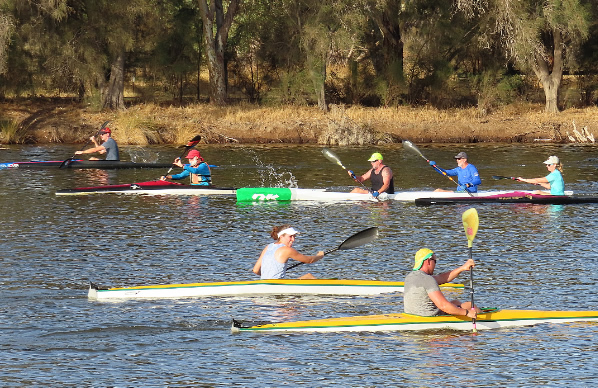
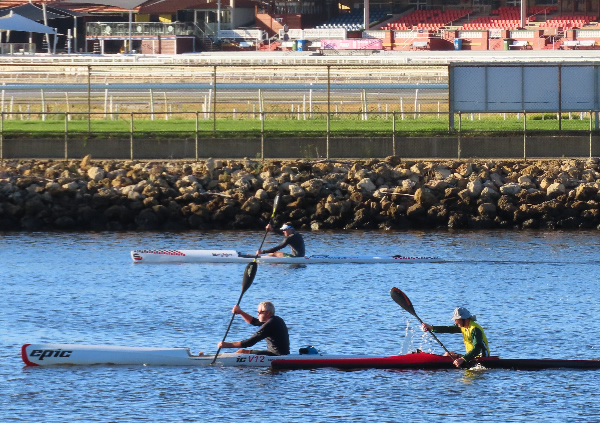
New paddlers, intermediate paddlers and faster paddlers whizz around the 1.25 km course 3 times at Ascot Kayak Club PRG Tuesday night.
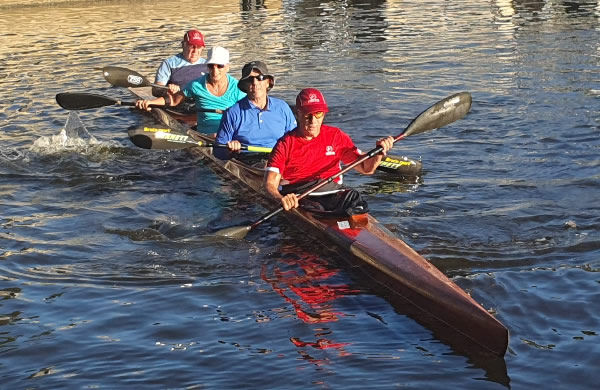
Paddlers from the Canning River Canoe Club getting ready for their Tuesday night race.
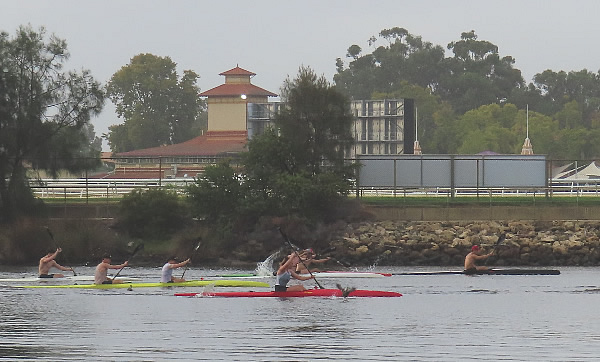
Sprint paddlers training at Bayswater.
Scott Lacklinson, Thomas Pawlowski and Joe Dowse training for the City Lights Race.
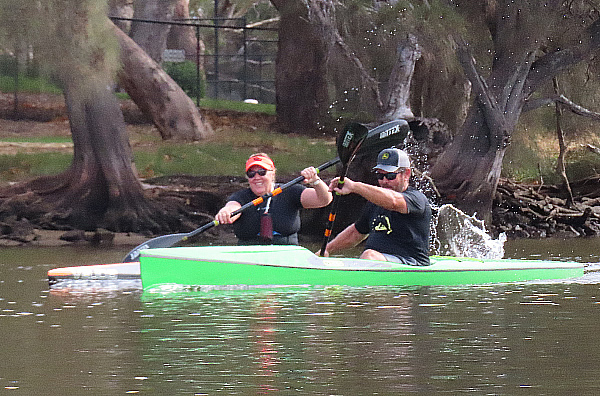
Julie McDonald and Anthony Snooke putting on a good show when they saw me taking a photo!!
Lake Pinaroo is a special place.
Nestled in far west New
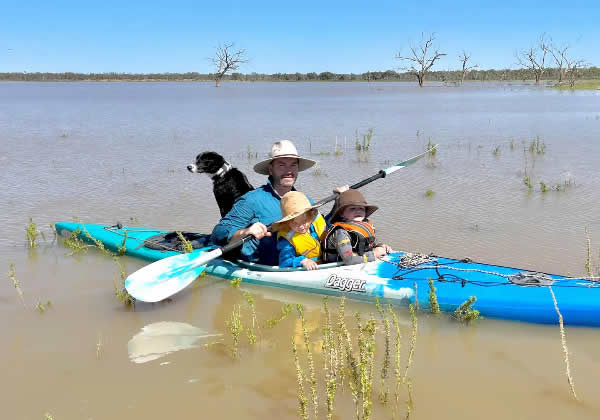
South Wales, Lake Pinaroo sits about 30km away from Cameron Corner… right up in the top north-western corner of New South Wales. And like many desert lakes, Lake Pinaroo only fills after big rain events.
Lake Pinaroo is again navigable by kayak! We can’t quite believe we have seen Lake Pinaroo fill twice in three years, when it has been decades between these events in the past. Our family has been enjoying cool dips in the lake in their downtime, and even Nell squeezed in for a trip back of the kayak! The wildlife is loving it too, with birds flocking to the area and tadpoles and shrimps thriving since ex-Tropical Cyclone Kirrily
moved through two weeks ago.
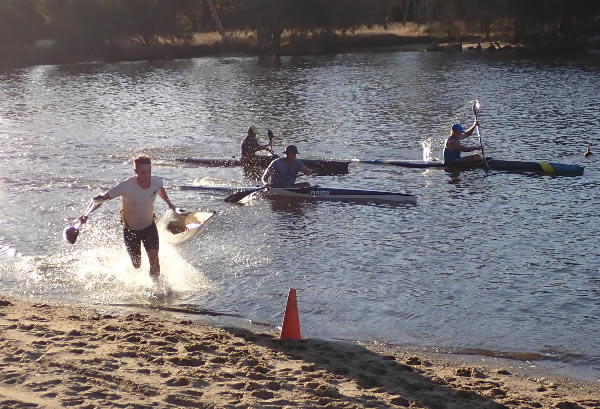
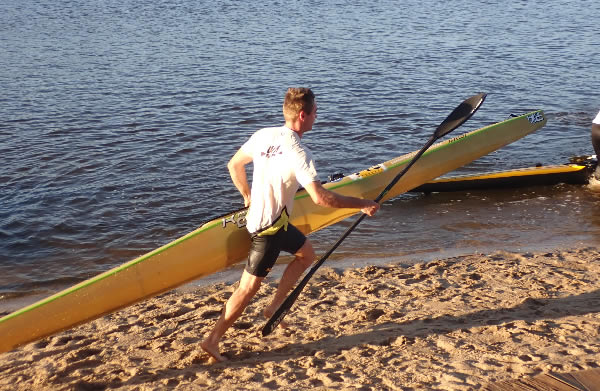
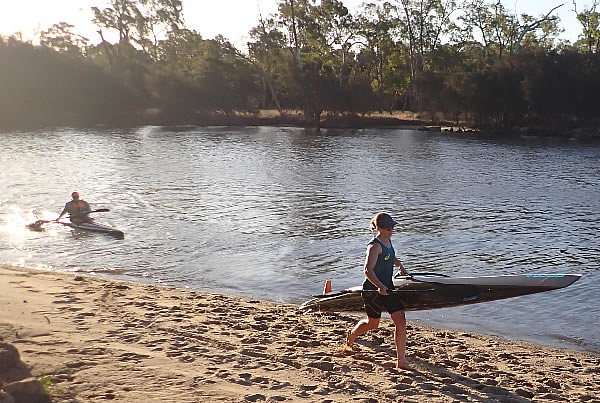
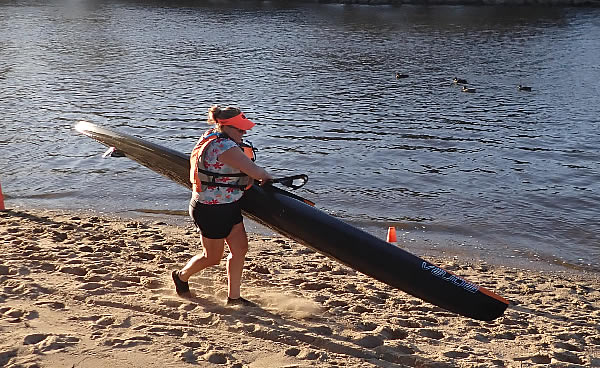
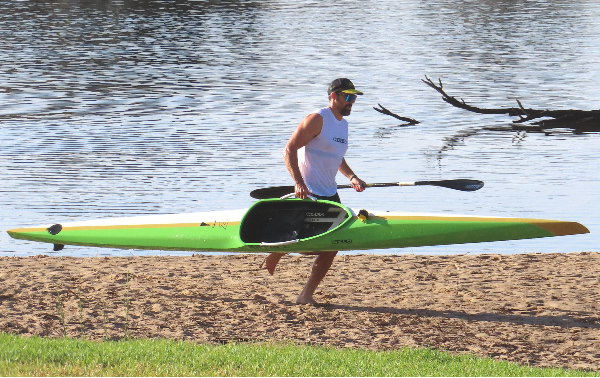
Island Laps Thursday nights at Ascot. Normally paddlers sprint around the 1.83km course, but because the State and Aussy marathon champs are coming up paddlers are practicing portages.
Luke Dooley doing a portage is out of the water quickly and trying to get back in and keep up with the paddlers not portaging.
Luke sprints along the beach.
Lily Farrell runs the portage followed by Julie McDonald, below.
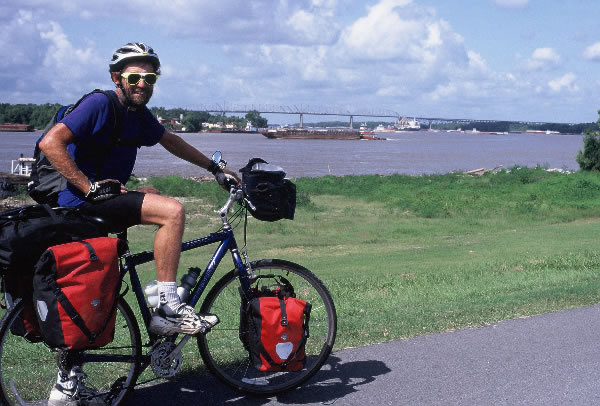
Cycling in 45 to 48 Degrees in Louisiana USA It was said to be the hottest heat wave on record. As I looked across the river it had only been a few days since I paddled past this point in over 45 degrees and so I remembered it well. It had been a hot week on the river. I also remember being pretty apprehensive because I was told I could get my throat slit if I camped within the New Orleans city limits or get run over by one of the many boats. For 35 days the Mississippi River had been my life. Now that the
paddle was over my next stage was cycling from New Orleans to the west coast, a long journey.
I had just paddled the entire 4000 km length of the Mississippi River, now I had a few thousand kilometres to cycle. I followed the bike path along the river for a couple of miles and then moved across to the
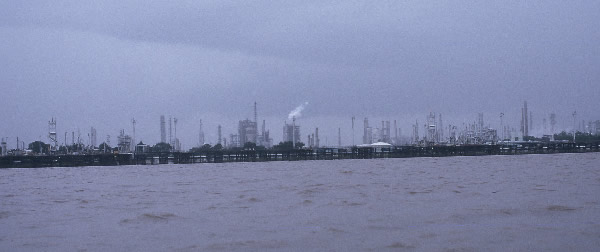
major road heading up to Baton Rouge, the capital of Louisiana. It had been hot on the river but it was hotter on the road. I passed a lot of industry when I paddled the river from Baton Rouge to New Orleans and now I could see the same smokestacks of the chemical plants in the distance, but this time, from the highway. The road verges were littered with glass, metal and pieces of
rubbish. This was puncture territory at its best and it was one of the untidiest roads that I had cycled on. It was also hot, stinking hot, the roads were busy and the trucks belched out fumes that polluted the air that I needed to breathe. I felt suffocated every time a truck passed by and I began to wilt under the hot draining sun. The open road was both shade-less and grubby. Swamps or bayous as the locals call them ran beside it. Stagnant water, pitiful vegetation and a few shady trees
formed the basis of the countryside, but the temptation to take refuge under the trees in that mosquito infested area was far from my mind. My journey had taken a dive for the worst as my surroundings simulated hell. Portrayed as a land of backwaters and bayous full of alligators and leeches, it had now become a reality, a part of my journey in the Deep South. The heat radiating from
the bitumen drove the temperature higher as the minutes went by. I was really feeling the strain, I felt dehydrated and dizzy. It felt as if the oxygen was being sucked away by some giant vacuum leaving just the pollutants for me to inhale. With each gasping breath I tasted the toxic fumes. All I could think about was reaching a cool place, some service station or a shop which sold cold drinks or ice. Just somewhere, just anywhere! I eventually reached a service station, which was like an oasis in the desert. Within moments I had bought ice, placed it on my forehead and lay on the warm concrete under the shade of the service station roof. I felt a multitude of things, dizzy, hot and helpless with limbs that were like jelly. As the ice blocks melted, water dripped down my face and onto the concrete, which upon reaching it, immediately dried. It was 48 degrees
in the shade, the hottest heatwave in Louisiana and Texas in history. People walked by me and said nothing. I could have been dead and they wouldn’t have noticed. I lay there for two hours before finally rising from the dead and back on my feet. Thank goodness I felt better and back in control of my body, which allowed me to get up and cycle on at least a little further. As I cycled away I almost felt like a new man again!
Lots of industry along the river. I stocked up with ice and headed north, but the oppressive heat soon had me reeling. A car full of young people screamed and threw a coke bottle at me as they were driving by, but
luckily it missed. I took refuge under a highway bridge and drank water from my water bottle but it was hot and horrid as the ice had melted. Another car full of youths yelled as they sped by, but I was spared the coke bottle this time. I had no choice but to move away from the shady, but hot bridge. I couldn’t relax there as it was just too hot. Even my water, although too hot to drink quickly disappeared, as I continually drank it in an attempt to keep hydrated. Within minutes of being back
out in the sun, the signs of heat exhaustion became very apparent. I was feeling dizzy again and on the verge of collapsing and I knew I had to cool down, so sleeping on the side of the road tonight wasn’t an option. I had to find a motel to cool down my body’s core temperature. I struggled on to Sorrento and stopped near some caravans and asked where I could camp, hoping they would suggest there, but disappointingly they didn’t. After five months on the road I had no choice to book into my first motel of the journey, at Gonzales. There were several motels lining the road into town but I chose the very first one. Although I needed to check out the prices, I had less energy than a drowned rat and my mind and body wanted to go no further. I was devastated with the $65.00 price, and the unpleasant women on the desk, but I was desperate to take refuge in an air
conditioned room and so I took it. As I made myself at home my body started to repair itself. By 9.00pm when I had taken a lengthy cool bath and recovered from my blurred vision and dizzy symptoms of the day, it was still a very hot 40 degrees Celsius outside. I couldn’t believe how happy I was just to lie on the bed in the air conditioning and watch the Discovery Channel on TV. Being away from the torment of the heat was complete and absolute bliss. I slept well.
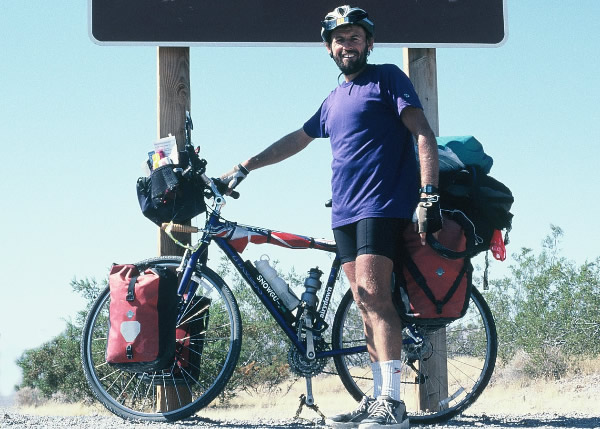
When I started my journey around the USA, my main goals were to backpack 800kms on the Appalachian Trail, to paddle the entire 4000km length of the Mississippi River, to backpack the famous 400km John Muir Trail and to visit the most scenic places by cycle. To get to these different locations, starting from New York I joined them up by cycling
10,500kms, down, up and across the U.S. Being self supported all my different equipment, kayak, backpack, cycle, had to be sent from one place to another hoping it would be there when I got there. The journey took 7 months. Go here to read about it:- Across the USA (kayak, cycle, backpack) stage 1. – Canoeing, Kayaking & Other Adventures (wordpress.com)
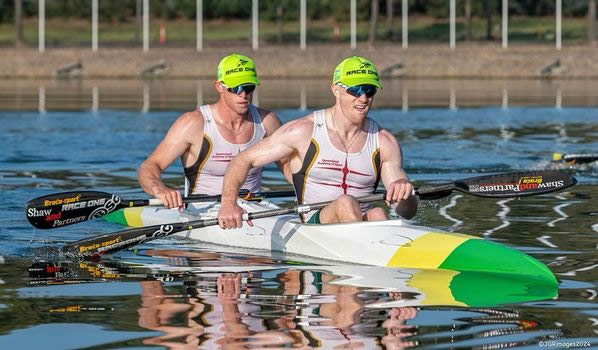
Tokyo gold medalists Tom Green and Jean van der Westhuyzen dominated their Olympic selection event in the K2 500m in a time of 1:30:75. Representing your country on the biggest stage is the biggest honour, and both boys have put themselves in pole position to be nominated to their second Olympic team. There are several other sprint paddlers waiting for Olympic selection conformation.
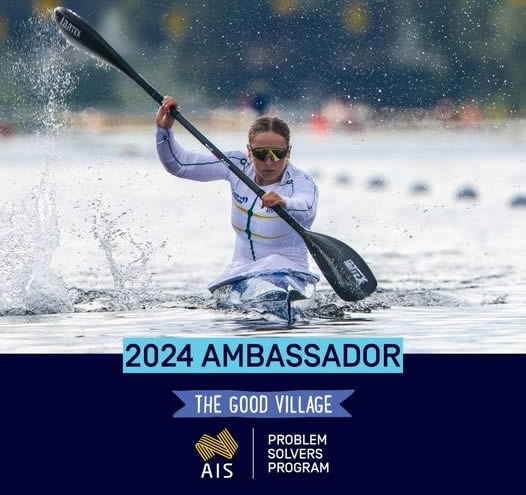
WAs Yale Steinepreis has been selected as one of 17 athlete ambassadors for the Australian Institute of Sport Good Village Problem Solvers Program. Over the next ten months, the AIS athlete ambassadors will visit primary schools across the country to help students deliver a project
focused on health and wellbeing.
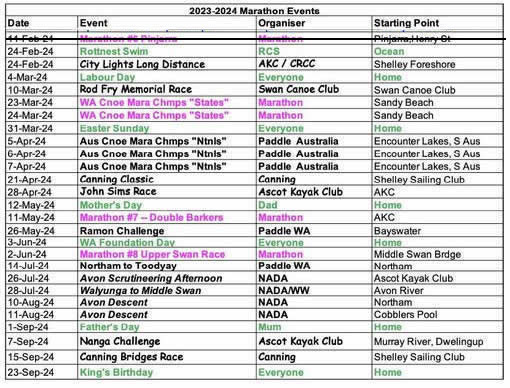
WA Canoe Marathon Championships & Australian Canoe Marathon Championships Are you ready. On the 23rd & 24th March,
WA will be holding the State Championships. On the 5th 6th, & 7th April
the Australian Championships will be held in South Australia. So the Champs are not that far away.
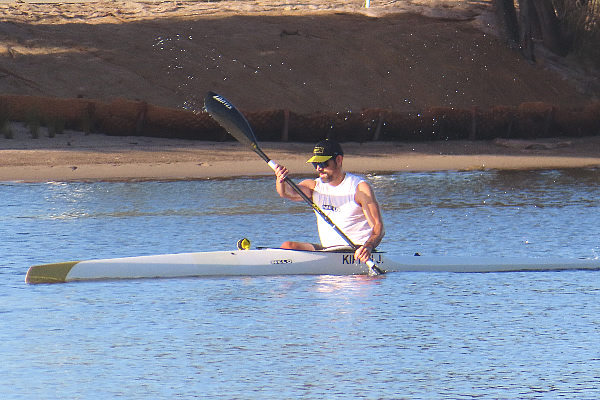
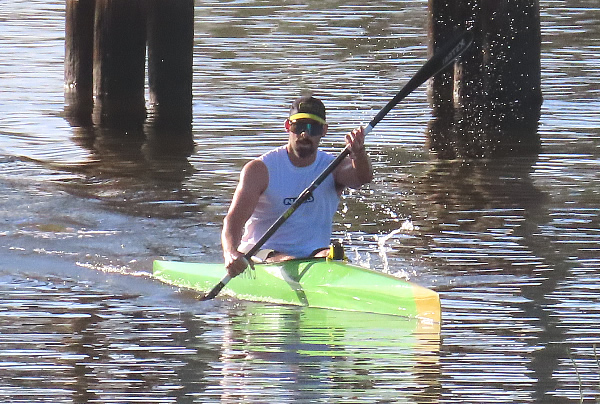
Josh Kippin and currently the Australian canoe/kayak marathon Champion.
Josh continues to practice hard.
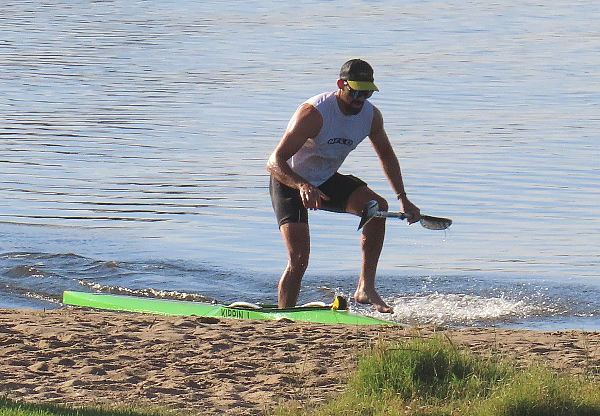
As portages are an important part of marathon racing (unless you are over 65) getting in and out of the kayak is super important.
There is a knack to getting in and out of a kayak quickly. Sometimes though paddlers do end up in the water so the better you are, the less likely you will make a mistake.
A paddler also needs to be a pretty quick runner.
A portage can be anywhere between 50 metres to 200 metres depending on the site used.
In close racing there are always tussles between paddlers trying to out-do each other, especially on portages. Paddlers needs to have their wits about them and not get into a day dream. Would you like to be coached by one of the best to improve your paddling? Check out his Josh's website:- PARIME.com.au PARIME Coaching | Instagram
2024 Paddle Australia Canoe Marathon
Registrations are OPEN for the 2024 Paddle Australia Canoe Marathon and SUP Championships, hosted by Paddle SA at Encounter Lakes April 5th -7th Click on the link below to get your registration in. https://www.webscorer.com/register?raceid=311358 Programme:
Thursday, 4th April: -Training Friday, 5th April: - Marathon Long Course Singles - SUP Sprint Saturday, 6th April: - Marathon Long Course Doubles - SUP Technical Sunday, 7th April: - Marathon Mixed doubles - SUP Long Course -
& Marathon Short Course Age categories: Juniors: based on your age as of 1st January 2024 (i.e. for U18 you must be 17 or under on 1st January 2024; you can turn 18 during the year). Masters: based on the age you turn this year (i.e. if you turn 55 this year (2024) you can paddle V55). Doubles: set by the age of the oldest paddler for junior crews and the youngest paddler for Seniors/Masters crews. Masters registrations are initially in 10-year age groups. If both 5-year sub-brackets can be constituted, (minimum 3 boats in both 5 year sub-brackets) classes will be restructured and raced accordingly. Boat classes: ICF Class is for ICF K and C boats and includes portage as specified by ICF Rules (for paddlers up to 64 years of age). - If you wish to be considered for selection to the Australian Marathon team to compete at the World Championships you need to enter this class. You can still enter this class if you do
not wish to be considered for selection. General Class is for all boat types (including ICF K and C boats) and paddlers are not required to portage. - UC denotes unrestricted canoe (US pro boats, OC, va'a, etc). SUP Class is for SUP events
only. This event will be used to select the teams (Junior, U23, Senior and Masters) which will attend the World Championships event. More information on selection will be published closer to the event. In the
2016 Australian Marathon Championships
WA Paddlers did pretty well. This year however we won't have Luke, Mark, Pat, Matthew and Peter. WA Paddler Results U16 K1: Gold, Luke Dooley
Open Mens K1: Gold, Josh Kippin
Mens 45+: Gold, Brett McDonad
Mens 55+: Gold, Mark Lawson
Womens 60+: Gold, Judy Darbyshire
Mens 60+: Gold, Pat Tulloch
Open Mens K2: Gold, Josh Kippin & Matthew Dean
Mens 45+ K2: Bronze: Brett McDonald & Peter Tomczak
Mens 55+ K2: Gold: Mark Lawson & Pat Tulloch
Womens Open K2: Bronze: Bronwyn Martin and Matilda Stevenson,
Womens 60+ K2: Gold: Judy Darbyshire and
Diane Chellew
Dusi Canoe Marathon Many WA paddlers, especially the ones from South Africa have done the Dusi Canoe Marathon. (Last years report from Joe & Gordon is further down.) The Dusi Canoe Marathon was founded in 1951, and covers roughly 120km between the cities of Pietermaritzburg and Durban in KwaZulu-Natal on the East Coast of South Africa. It is the biggest canoeing event on the African continent, and one of the world’s most popular river marathons,
attracting between 900 and 1600 paddlers each year. Paddlers can choose between normal marathon K1s, K2s or even K3s (yes a K4 has even finished the Dusi). These boats need to be of robust construction to be able to take the knocks dished out by the rocky river, and must have an overstern rudder. Paddlers must wear a splashcover (spraydecks) and lifejackets (PFDs) and, if very
full river conditions occur, will be required to wear helmets. Paddlers traditionally make provision for their own hydration, and carry enough fluids for each stage of the race. The organisers provide 3 hydration stations each day. For South African paddlers, the race requires each entrant to be AR rated (having passed a basic proficiency test and then the required number of C and B
rated river races), as well as successfully completing a number of qualifying races. International entrants are exempt from these requirements, but will be required to prove that they are proficient paddlers with suitable experience on at least Grade 2 rivers, and to prove that they are currently in good physical condition.
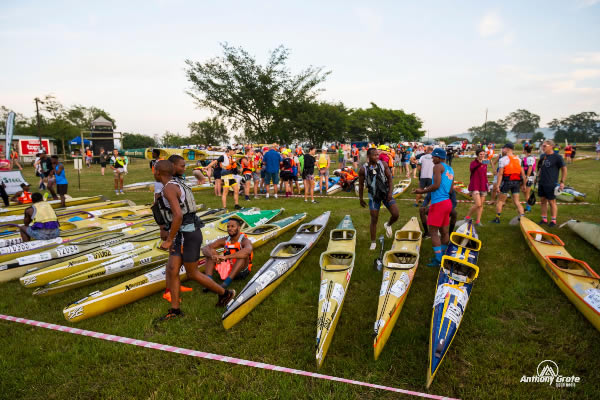
The start. Photo Anthony Grote digital media.
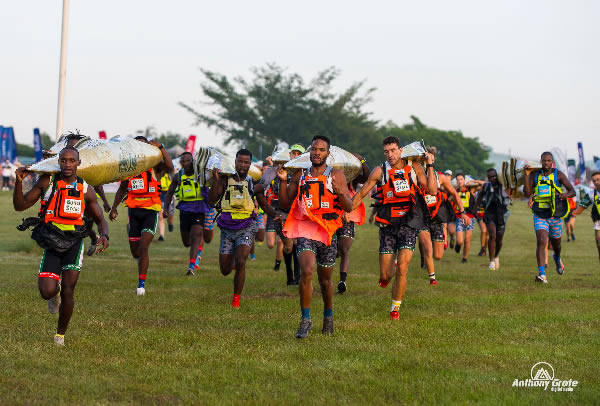
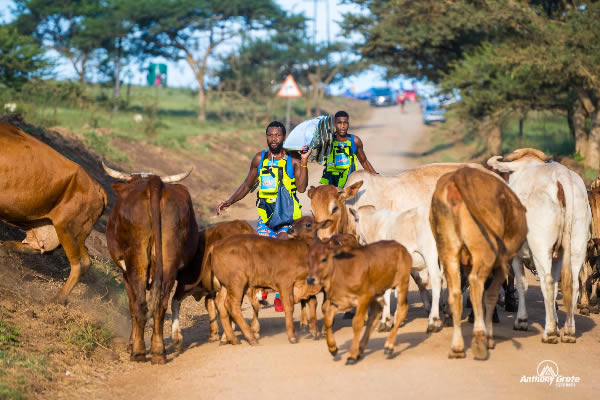
It's a long run to the river. Photo Anthony Grote digital media. The race is held in
February every year, to take advantage of the summer rainfalls. Temperatures can be extreme, often exceeding 40 degrees Celsius in the valleys. The race starts on the Msunduzi River that runs through Pietermaritzburg and includes a number of weirs and Grade 1 to Grade 2+ rapids using water released from Henley Dam. At roughly the halfway point of the race the Msunduzi River meets the
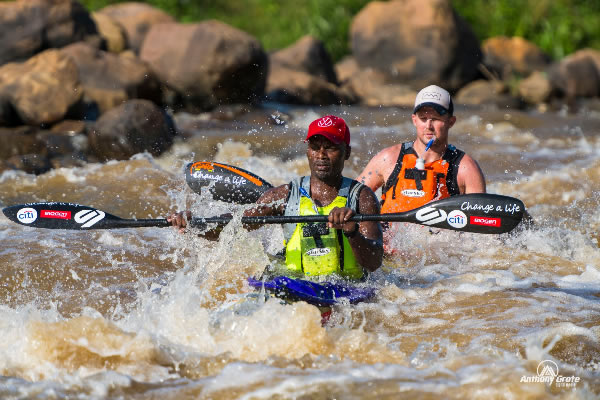
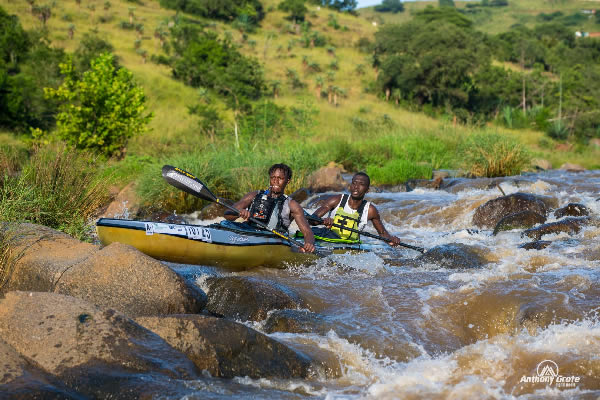
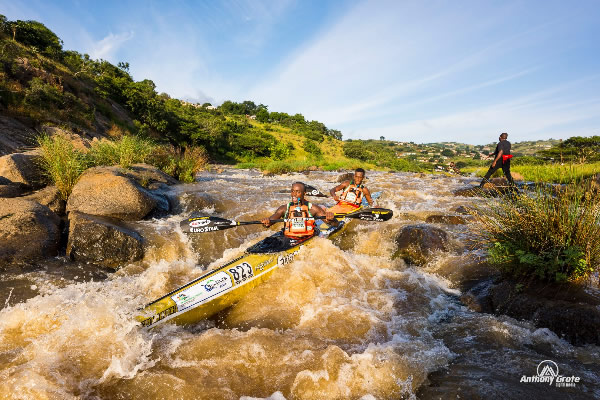
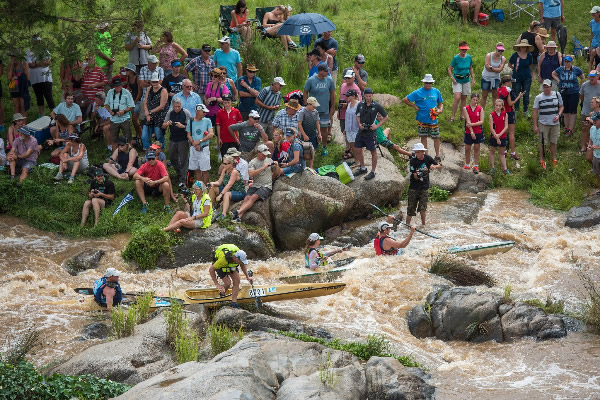
far larger uMngeni River and the river becomes more challenging, with some rapids rated Grade 3+, and some of the trickier rapids like Island 2 is portaged by most of the field. Most of the large rapids can be portaged if desired. Safety crews and divers are stationed at some of the major obstacles and rapids. The route is not marked and the onus is on the paddlers to learn the route
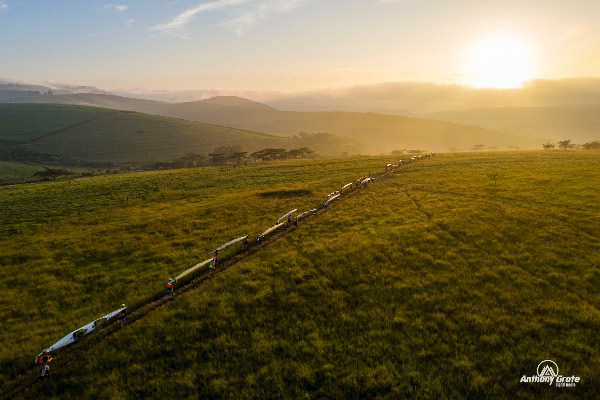
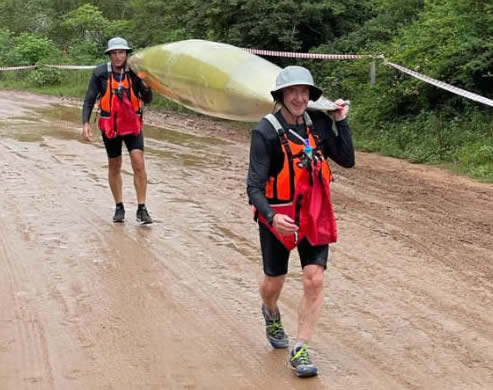
and the safe lines down the more demanding rapids and weirs. The race is unique in that it includes numerous portages where the paddlers carry their craft over hills, either to cut out unrunnable rapids and cataracts, or to eliminate long loops in the river. Most of these portages are through thick bush on steep and undulating terrain, and several of them are around 4km in
length. There are several seconding stations on portages during each leg of the race where seconds (friends or family) provide water and sports drinks, and in some cases food as well.
A line of paddlers portage kilometres over a hill. Photo Anthony Grote digital media.
A portage can have many surprises. Photo Anthony Grote digital media.
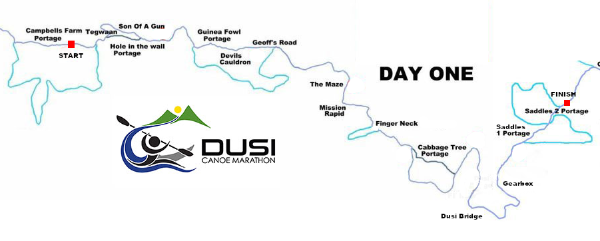
Stage One of the race is 42km long, from Camps Drift in the city of Pietermaritzburg to Dusi Bridge, a remote area outside Cato Ridge close to Nagle dam. Most paddlers exit the valley after their stage and stay in local accommodation or return to either Durban or Pietermaritzburg. It is possible to stay in tents at the overnight
stop.
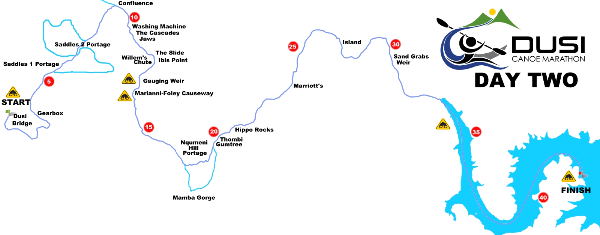
Stage Two is the longest and hardest stage, 46km from Dusi Bridge to Msinsi Resort on Inanda dam outside Hillcrest, and ends with 11km of flatwater on the dam. The overnight stop is well suited to camping and also hosts some entertainment in the early evening of Day Two. Hillcrest and Durban are nearby and most paddlers leave the
valley after their stage to stay in nearby accommodation.
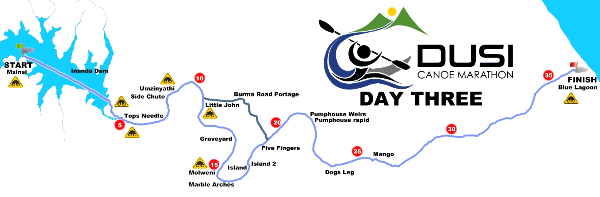
Stage Three is 36km from Inanda dam to Blue Lagoon in Durban, starting with 4km of flatwater on Inanda dam and ending with 10km of flatwater on the tidal estuary into the finish. Each finisher receives a Dusi medal and a commemorative race garment. The race prize giving takes place at Blue Lagoon after the final
stage.
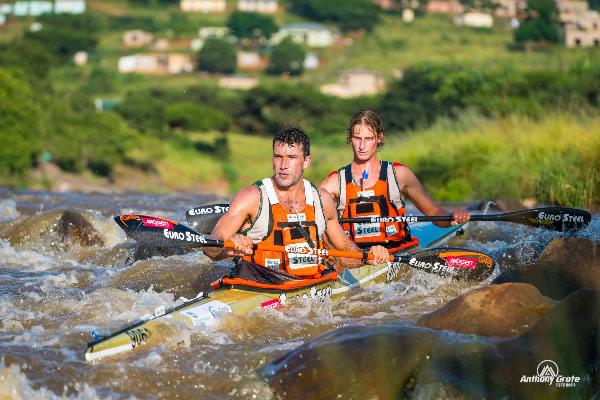
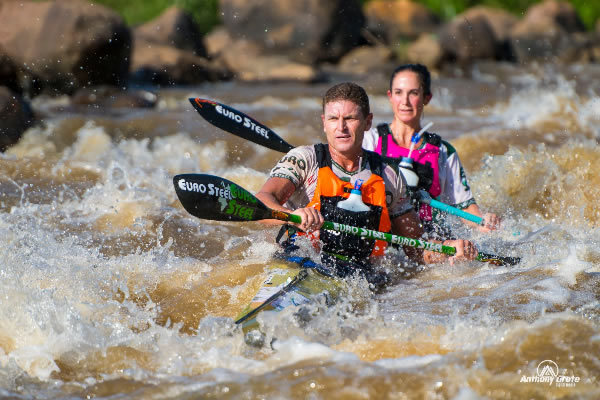
Andy Birkett and Matthew Fenn won the 2024 Dusi Canoe Marathon. Photo Anthony Grote digital media. 𝗬𝗼𝘂𝘁𝗵 𝗮𝗻𝗱 𝗲𝘅𝗽𝗲𝗿𝗶𝗲𝗻𝗰𝗲 𝗰𝗼𝗺𝗯𝗶𝗻𝗲 𝘁𝗼 𝘄𝗶𝗻 𝗗𝘂𝘀𝗶 𝗺𝗲𝗻 𝗮𝗻𝗱 𝘄𝗼𝗺𝗲𝗻 Pietermaritzburg – Andy Birkett and Matthew Fenn, and Abby Solms and Jessica Behn did exactly what was expected on Saturday and duly wrapped up their 2024 Dusi Canoe Marathon titles – but for the men's winners, the stage from Inanda Dam to Durban nearly turned into a disaster. For Birkett it was his 14th
victory and takes the "Crown Prince" of the event to within one win of the remarkable record of 15 titles "Dusi King" Graeme Pope-Ellis achieved in the 1970s and 80s. For Solms, this is her fourth victory and puts her up as one of the most successful women's Dusi paddlers in the history of the race. The late decision for the winner in 2016,
2017 and 2022 to team up with the matric schoolgirl proved to be a master stroke. Hank McGregor & his wife Pippa won the mixed doubles.
Photo Anthony Grote digital media.
WAs Joe Dowse and Gordon Lentz (above)
paddled & portaged the race last year. Below is Joes account of last years race. All photos except the one above are from this years race.
Day 1 - Joe Dowse Year 2023 article:-
Well fast forward 40 years, and I found myself on the top of a hill in the morning light waiting for the starters gun with a mixture of fear, trepidation, excitement and sweat. We were in group G with the rest of our age group and some long term Dusi veterans who looked apprehensive, which did not sage my nerves very well. So the gun
goes and we start off running, the start had been moved down stream to begin with a portage due to poor water quality, (a darn long 3.5 km long portage, it might be said). We started strong and with a steady jog were in second position before a naive mistake had one of our paddles fall out. We dropped the boat with a bang and rushed to put the paddle back in and then started jogging along to catch up. Before the thorn bushes we were back in 4th place as we pushed and shoved our way
(well I did, Gordon is too nice) to second place before the first water put in. We then started to battle the Msundusi waters. It was fast moving, muddy and full of technical lines, which we really did not know, but we just bludgeoned our way through the wave trains and rock slides as best we could. We dragged ourselves through the portages and only had one swim and a folded boat on a
nasty rock towards the end, but we made it to the finish line and the boat was sent to be repaired along with about 50 others. Overall, day one was an immersion in portages and wave trains, but we were so glad we had got a kevlar hull to take the punishment served out by the granite boulders and rock rapids that make up the last 10 km of the race. The paddling was amazing, lots of really challenging rapids, big borders, stoppers, rock drops and rock slides, but the portages were hell on earth.
Up steep hills with thorn bushes, wild animals, slippery rocks and mud, we really struggled, but one foot in front of the other was the only way forward and we finally got there. The rapids we managed to overcome had names like Devils Cauldron, the Mission, the Maze etc and they lived up to their names. The African sun is also relentless and lucky our zinc cream stayed on or we would have been toast. The good news was we were second in our age category, but the first team must be really top
paddlers as they had 25 minutes on us as they ran the portages. They must have legs of steel.
Hank McGregor & his wife Pippa won the mixed doubles. Photo Anthony Grote digital media.
OOpps - that's not where I meant to go. Photo Anthony Grote digital media.
Hang on. Photo Anthony Grote digital media.
Day 2 The day was in two half's. The first was fast and incident free. We were second off the line to the Dusi bridge portage, and then has a good double portage at Saddles hill before hitting the big grey water from the
Mgeni river at the confluence. We shot all the big rapids and Gordon was solid as a rock in the back seat keeping us up as I disappeared into stopper hole after stopper hole. Then the day changed. We had the cauldron portage which sapped us dry of energy and will to live. It was up a slippery hill side with mud and horrid thorny bushes and the heat and humidity did not help. From there we were dog tired and then we had another soul sapping 4km portage around the washing machine rapid as it was
deemed too dangerous to even attempt. Unbeknownst to us we must have damaged our rudder as after that we went down a series of rapids and half way down the rudder kicked up and locked so we had no steerage and in a second we were sideways into a long wave train. We fought it hard, but we disappeared sideways in to a deep stopper and over we went. It took us about 15 mins to find each other and the boat which now has bust seams. We continued on and made it to about the 30km mark before the
rudder did the same trick and we got shot up on a big rock and had a painful swim. Think bashed bones and granite skin scrapes, and this time the boat needed some serious tape strapping. We limped through the rest of the rapids, portaging in the bush when the drops were deemed too big. Finally, we hit the dam lake entrance and all our training kicked in and we slogged (well the big engine in the back did) the 10 km flat lake to the finish line. Woohoo, we made it, now for some aspirin, disprin
and whatever else will help the battered muscles and limbs. However, beside our pain we had great fun on this section, the scenery was amazing and the big water paddling superb. It was a joy to be out in the African bush and absorb it all. We checked our result and had dropped to 7th place as the swims really took our energy and time.
We will catch them. Photo Anthony Grote digital media.
Watch your head! Keep it above water! Photo Anthony Grote digital media.
Photo Anthony Grote digital media. Day 3 The last day was a day of extremes. We started
off on a lake full of floating water hyacinth which had to be navigated and smashed through. We started strong and were the first of our batch to hit the dam wall and portage, we actually caught the batch in front who had a 10 minute start on us. After a long brutal walk down pot holed paths we got in at the bottom of a rapid series called Tops Needles and then hell erupted. The water level is normally 40 cubes and now it was at 120. The highest ever for a Dusi race. Every rock was now a boat
breaker. We made it through four wave trains before hitting Umzinyathi/Side chute rapids. We fell into big holes and stoppers, but managed to get about half way down before the bottom of the river just open up and swallowed us both. We were now out of the boat heading across a rock rapid. Gordon valiantly tried to swim the boat left, but after 600 metres the water turned right and spat him into trees. I held on and bashed my bones for a long way to a small rock pool where I jammed the boat nose
into some rocks. Lots of other boats were passing us upside down. Gordon was now stranded up stream but then jumped back into the river and swan down to me and we got back in and off we went. We were very lucky not to break the boat in half. For the next two hours we fought wave after wave of stoppers. The water was really too high and while there were 4 compulsory portages there should have been more. We pushed hard at the portages and kept making a few minutes, but it was so hard as the usual
lines did not exist and we went blind into so many rapids. Gordon did a superb job of keeping the boat up as I smashed into the stoppers and literally disappeared. Finally, we hit mango rapids and as the last major one it delivered some bruising rock hits to the hull, but the seams held and we were now on the 14 km haul to the finish. We dug deep and pushed on and were never so glad as to see the finish line. Even after all the training we were spent. We had drunk over 6 litters of liquids from
the start of the day and had run out so it was a dry grinding slog to the line. We were greeted by Hank McGregor who gave a big “hello mates” to the Aussies for finishing on such a big Dusi.
Just relax and take in the scenery. Photo Anthony Grote digital media. Men
1 Andy Birkett / Matthew Fenn (2:28:02; 2:26:37; 2:24:55) 7:19:35
2 Msawenkosi Mtolo / Sbonelo Khwela (2:27:36; 2:32:19; 2:25:53) 7:25:49
3 Bongani Ntinga / Sandile Mtolo (2:32:44; 2:35:12; 2:19:41)
7:27:38 Mixed
1 Hank Mcgregor / Pippa Mcgregor (2:54:11; 2:47:18; 2:28:19) 8:09:50
2 Bradley Boulle / Emma Hatfield (3:00:52; 2:53:25; 2:37:26) 8:31:45
3 Dave Mckenzie / Helen Buley (3:16:32; 3:05:54; 2:50:20) 9:12:47 Women
1 Abby Solms / Jessica Behn (3:00:14; 2:54:20; 2:38:27) 8:33:02
2 Bridgitte Hartley / Hilary Bruss (3:09:37; 2:55:16; 2:42:44) 8:47:38
3 Jenna Nisbet / Nix Birkett (3:16:28; 3:02:10; 2:39:57) 8:58:37
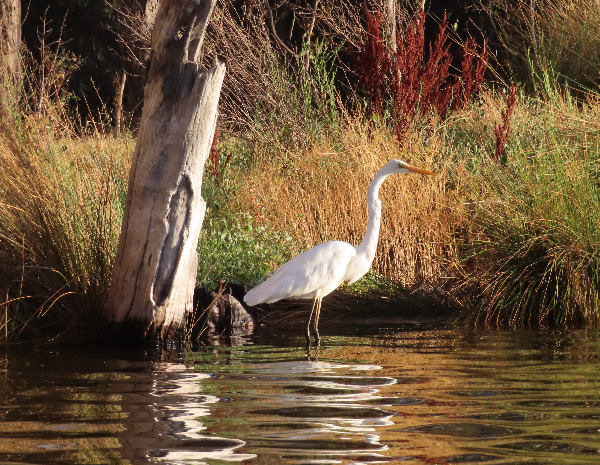
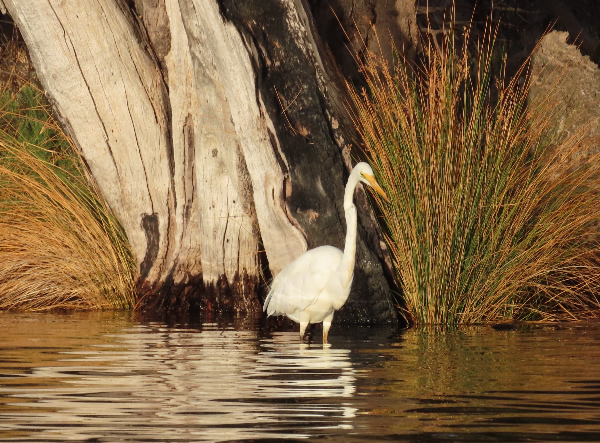
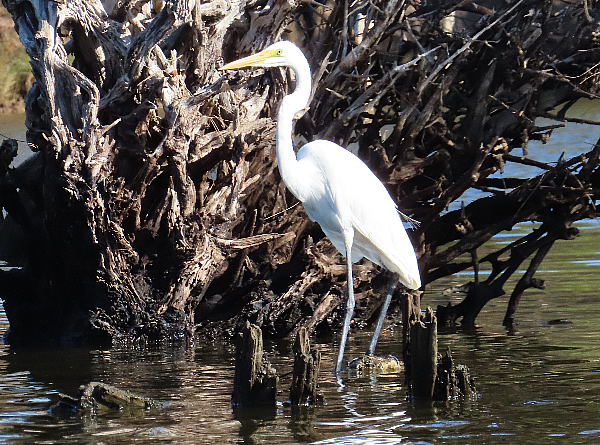
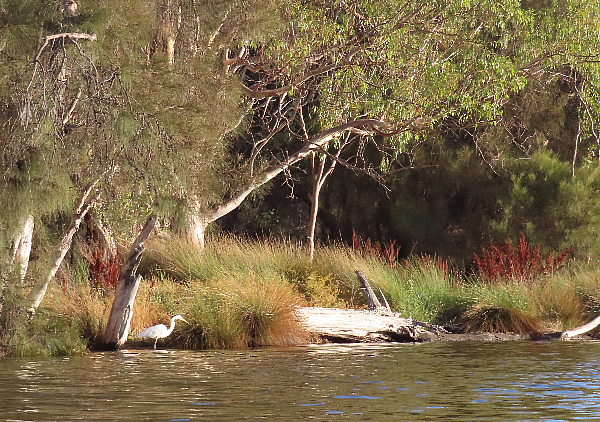
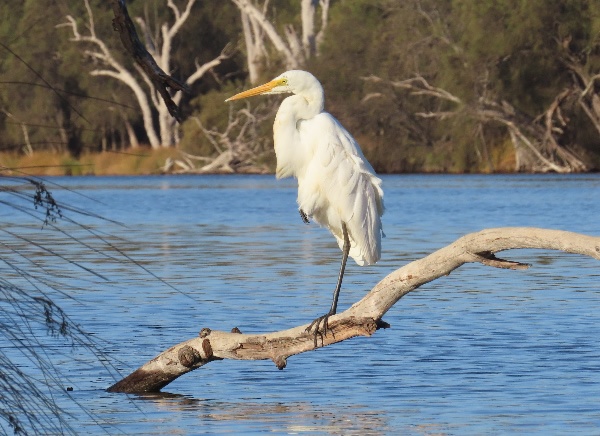
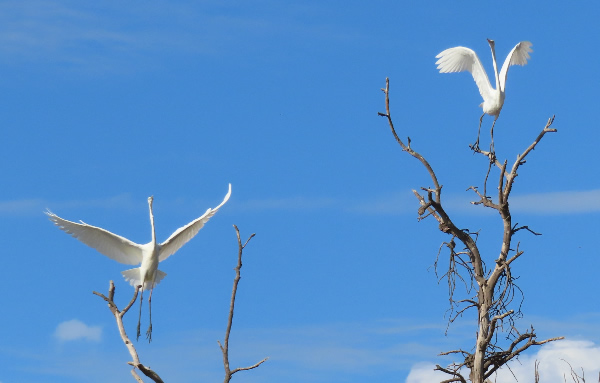
With this hot weather most birds seem to be hiding or up too early to be seen by me, but the Great Egret doesn't seem to mind the hot weather.
The best time to see the river in a more beautiful light is early morning or just about an hour before sunset.
Rod Fry Memorial Race 2024 Enter here:- https://www.webscorer.com/register?raceid=343076 Sunday, March 10, 2024 Registrations close 10am Friday March 8 2024. All paddlers in team craft must enter individually. THE RACE Where: Swan Canoe Club, Johnson Parade, Mosman Park Check-in: 7:00 - 7:45am Race
/ Safety Briefing: 8:00am Start (1st Wave): 8:30am SAFETY We share the Swan River with other traffic and the 12km course requires paddlers to cross the main channel.
|
|
|
|
|
|
|
|
|
|