|
|
|
|
On Thursday Jenny put a bottle of wine in the fridge just in case we had something to celebrate. My PSA results were back so a visit to the doc would tell me if the 33 radiation sessions that I had, killed off the cancer. Unfortunately the news was not what we wanted to hear, although deep down I hadn’t got my hopes up, so it wasn’t such a shock when I was told. The previous two scans revealed no cancer, but my PSA levels
indicated that cancer was still there, somewhere, and it was thought it must be in the prostate bed. Apparently it wasn’t. So now it’s back to square one and another scan. As my PSA levels have risen higher it is hoped the cancer will show up this time and they will know exactly which spot to
treat. Although the news wasn't good we did celebrate with a glass of wine and as Jenny felt so sorry for me she did the washing and clearing up after dinner that I usually do, so at least that was a win. It's just another part of life.
- Paddler of the Week
- Progressive Racing Group
- Pairs Enduro
- Who's Out There
- The Green River Race
- World Ocean Racing Championships -
entries close Sunday - Fenn West Coast Downwinder &
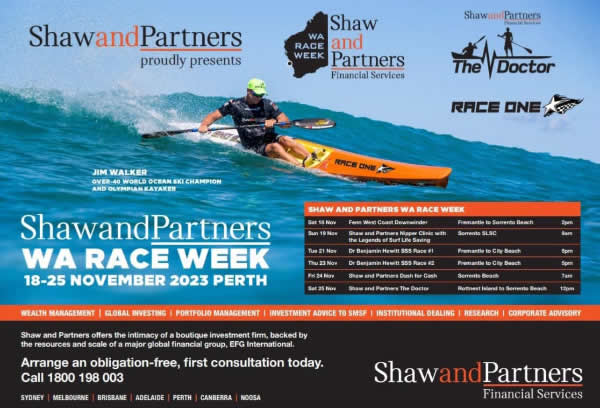
- Shaw & Partners Race Week
- Mandurah Cut
Run
- Canadian Portages
- Birds Along The Way
- Yukon River Quest
- Coming Events
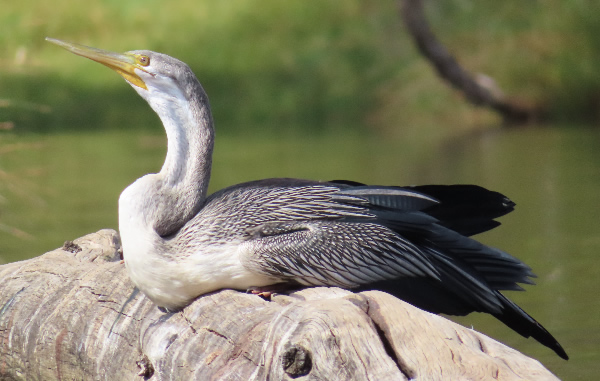
Hopefully next week I will know when my Bird Book will be printed and ready to distribute. But it's getting close.
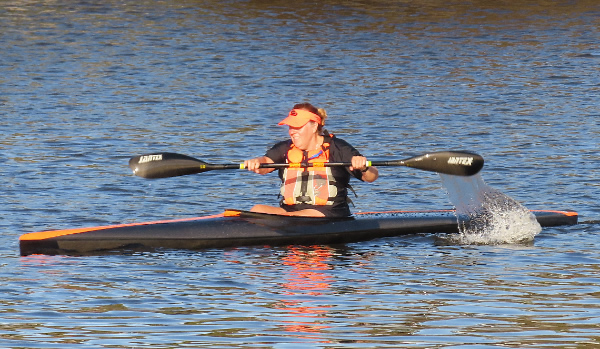
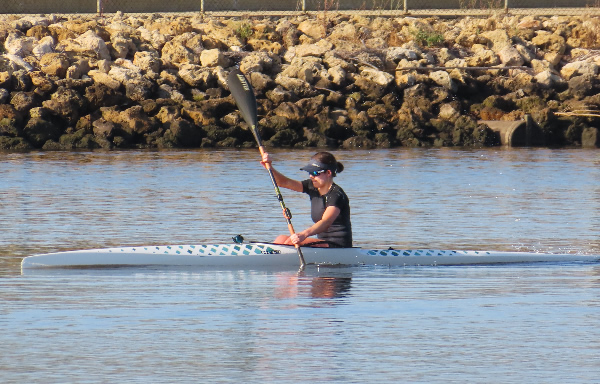
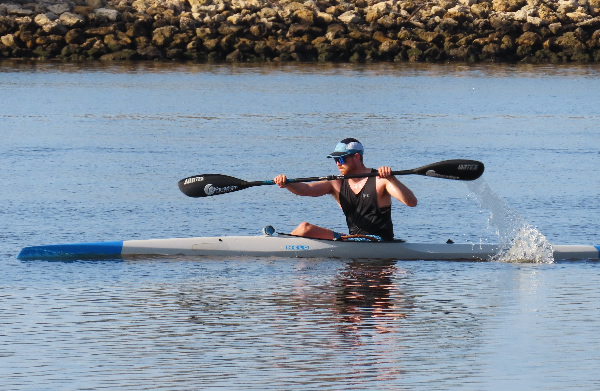
Julie McDonald Julie loves paddling her surf ski, but now she has a new kayak to race and
she loves it even more. She started paddling just over 3 years ago with the Ascot Progressive Racing Group and she hasn't looked back. Since she started
paddling her life has changed and she just loves being on the water, mixing with other paddlers and trying to beat everyone. When she paddles with her husband Brett they always do extremely well thanks to the her power and the verbal encouragement coming from the back seat. Julie and Brett travel 53kms one-way to paddle at Ascot.
And that's a few nights a week, so to drive that far you have to be keen.
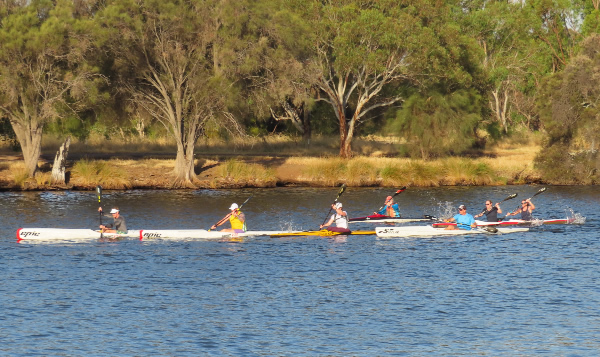
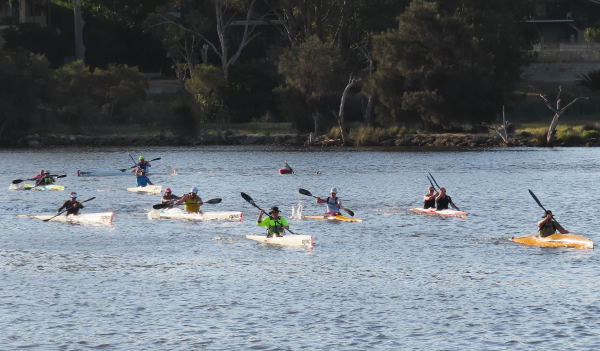
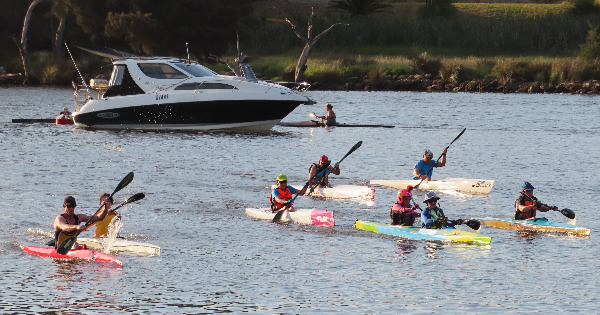
There were some close racing on Tuesday evening at the PRG time trial.
The time trial is staggered with the slower paddler going off first and the faster paddlers having to catch up.
All paddlers cross the line within 2 minutes of the first paddler so it's usually a spectacular finish.
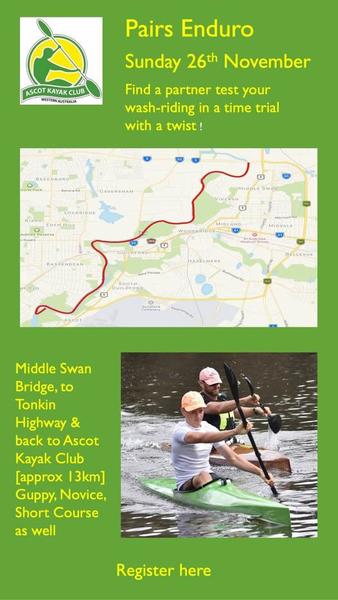
Pairs Enduro Sunday 26 November Register here:
Jane Pankhurst.
If Jane is not playing the clarinet she is on the water.
She is very disciplined and dedicated to
both.
Coran Longwood.
Although Coran returned from the World Champs a month or so ago, he is still putting in some solid training.
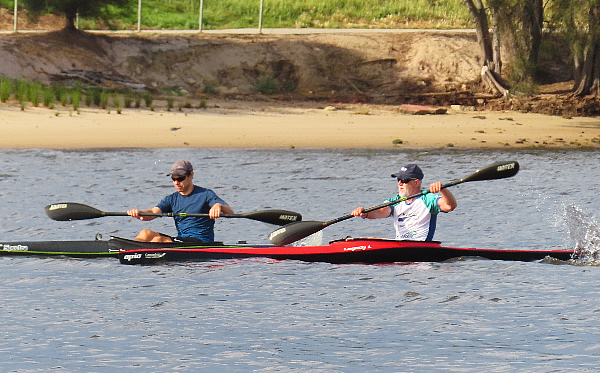
Paul Dymock and Phil Edwards going for a long paddle.
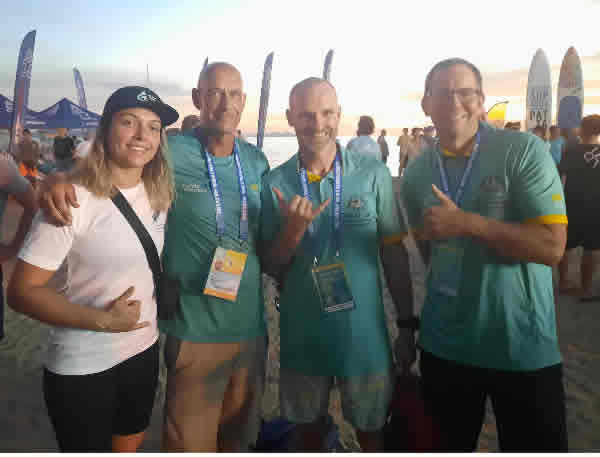
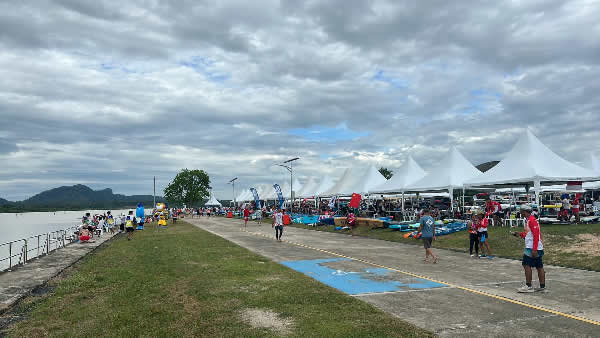
West Australians at the SUP World Championships in
Thailand
Noni Wells, with Ivan Francis, Darren Pratt and Derek Cross. Darren was once a serious kayak paddler, but now prefers
paddling a SUP. Derek currently paddles kayaks and SUPs.
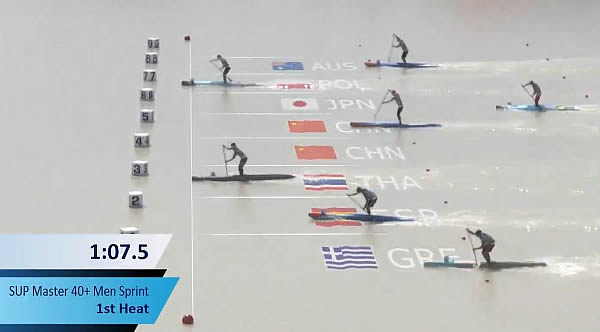
Derek Cross in one of his heats.
I had thoughts of going to the championships, just to give it a go, and for the experience, rather than trying to win something, but as my book was in the last stages of production and I had a doctors appointment, the planets didn't line up. The oldest category is 50 years plus which means I
would have to compete against paddlers 20 years younger than me, but that wouldn't matter, I only feel 50. Photo Derek Cross.
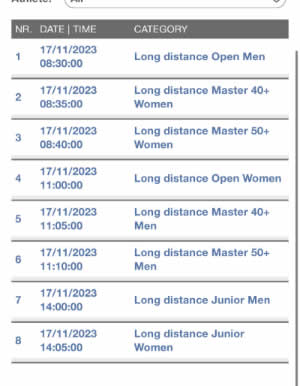
Todays SUP long distance races.
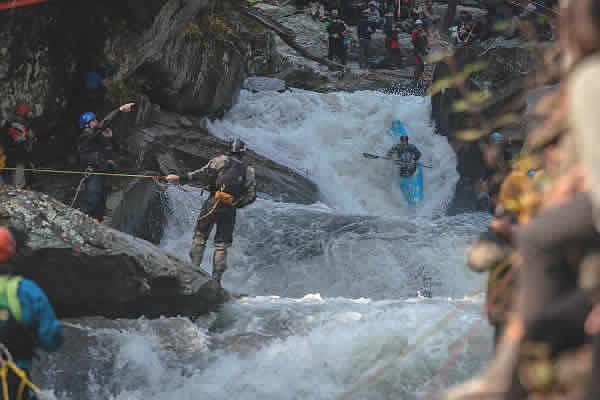
The Green River Race - USA Photo John Paul Tabor
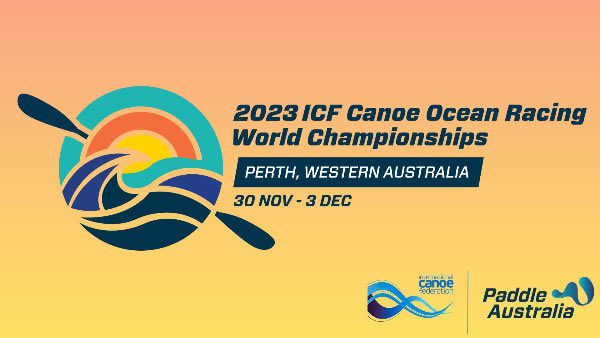
Entries for the 2023 ICF Canoe Ocean Racing World Championships close on Monday. Visit the official website to register or learn more today! 
It's all Happening in the next Two Weeks for Downwind
Paddlers
Paddles are on their way from Sydney, and all parts of Australia and the world for the FENN West
Coast Downwinder & Shaw and Partners Race Week & the World Champs The FENN West Coast Downwinder is one of the best downwind racing events on every paddler’s calendar. Starting at Port Beach and finishing up the coast at Sorrento Beach, the ‘Downwinder’ is also part of the Shaw
and Partners Race Week and offers all paddlers an opportunity to take on 26 kilometres of ‘cut and run’ paddling, with some sections offering up steep walls where one or two strokes will have you linking run after run. If the conditions are right, the average paddler can expect to complete the course in a little more than and hour and a
half. The 2023 FENN West Coast Downwinder will be on [weather permitting] Saturday 18 November. Keep an eye out for invites to register.
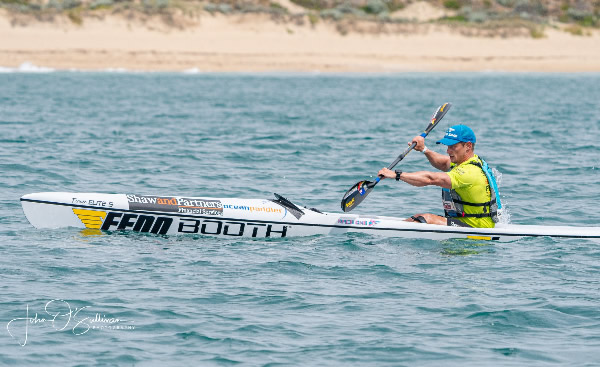
Winner Michael Booth.
2nd Ben Carrick - 3rd Brendan Rice. Photos John O'Sullivan
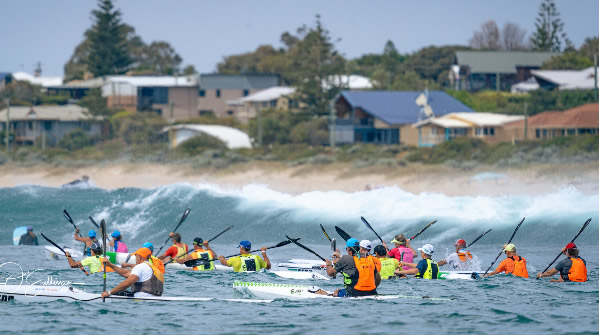
The wind wasn't too favourable. Photos John O'Sullivan
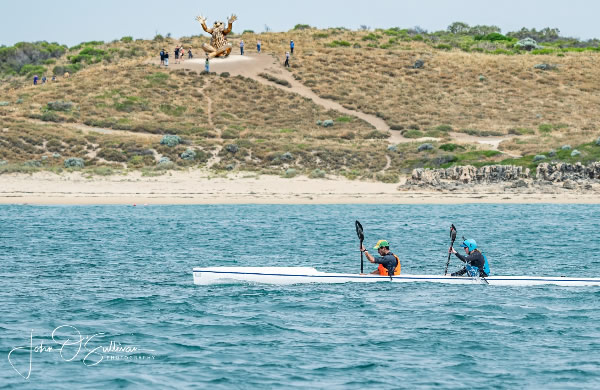
Peter Tomczak & Sharon Cobley passing a giant.
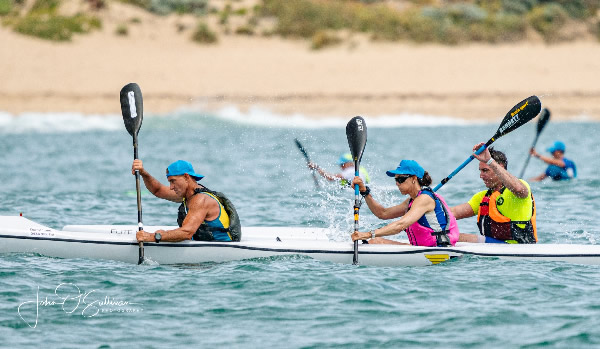
And they beat Darryl & Kylie!!! Photos John O'Sullivan
Darryl Long & Kylie Meloury
Will Lee heading home. Photos John O'Sullivan
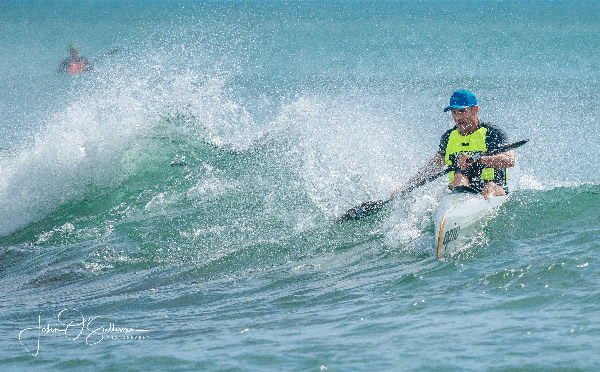
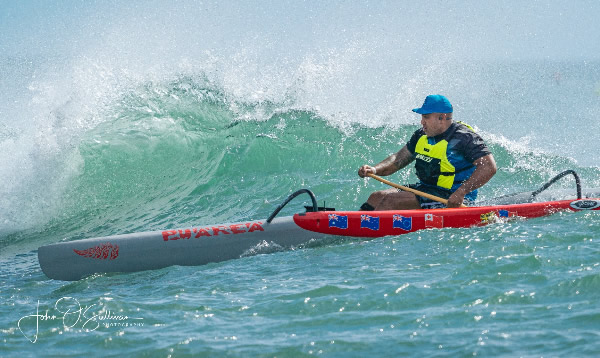
Not a wave to get caught on. Photos John O'Sullivan
Across Canada - Portages It is impossible to get from one side of Canada to the other without portaging so on
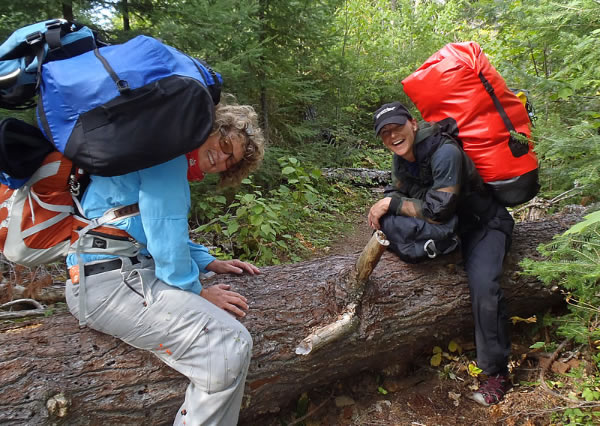
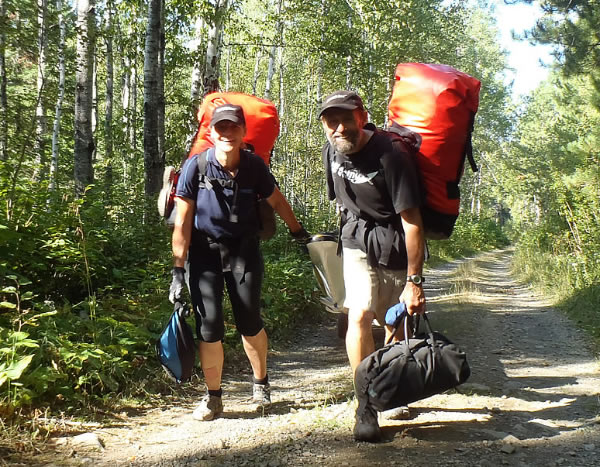
my 2011 expedition across Canada I had a lot of portaging to do. These portages below were on the section of my journey when I teamed up with Alaine Davin and Leonie Cockman. We started this journey at Kenora where I met Alaine and Leonie after paddling 2600kms solo from the Rocky Mountains. I had already portaged many times, but on this next
section we were going to portage about 50 times. It was in Kenora I got a double kayak delivered which I would paddle with Alaine and Leonie would paddle my Epic 18 kayak. We were going to
paddle through a remote part of Canada following a border canoe route that Canada and the US shared. As we were in Canada we were supposed to stay in Canadian waters and not wonder into the US side! To get to our main destination Lake Superior, from Kenora we would cross the Lake of the Woods, paddle up the Rainy River and enter the huge Quetico
Provincial Park where we would spend most of our time. This was bordered by the Boundary Waters Canoe Area, and the Voyageurs National Park on the US side. To get there though not all lakes joined or if they did the stream that connected them was usually impossible to paddle so there were about 50 portages that we had to do, some only 50 metres,
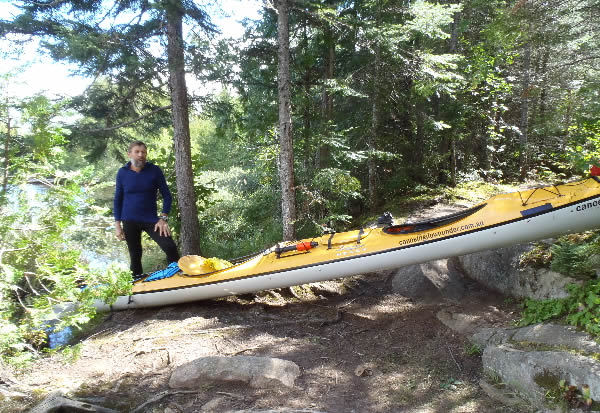
but others several kilometres and our biggest being 20 kilometres. To portage meant that we had to make three journeys. One journey to carry the big double kayak and some gear, and two other journeys to get the single kayak and all the rest of our gear. Each portage took a long time but it was the packing the kayaks at the end of each
portage that was the most annoying. Canoes were much easier to portage and load, and that's why we didn't see any other kayakers, only canoeists.
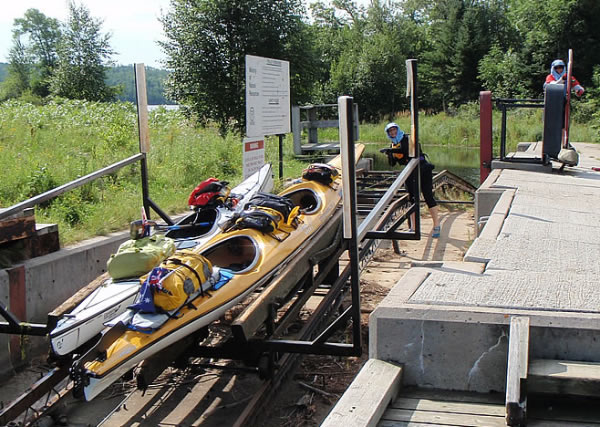
At some of the most popular lakes they have a marine railway to get boats from one lake to another. We were happy to
use them as it meant that we didn't have to unload our kayaks.
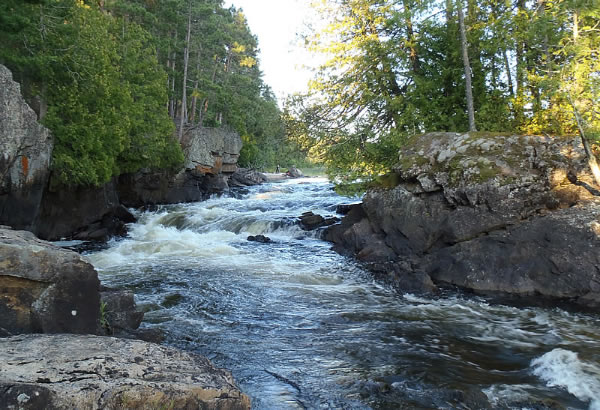
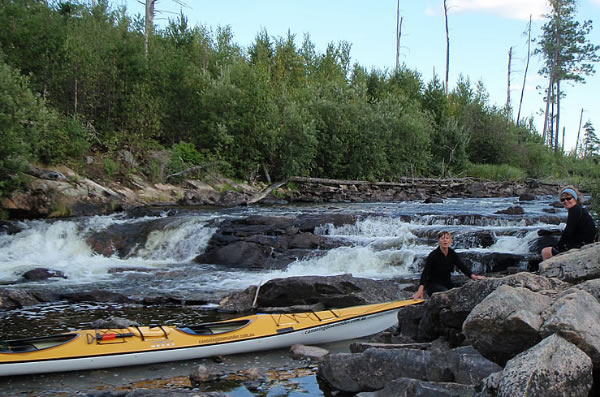
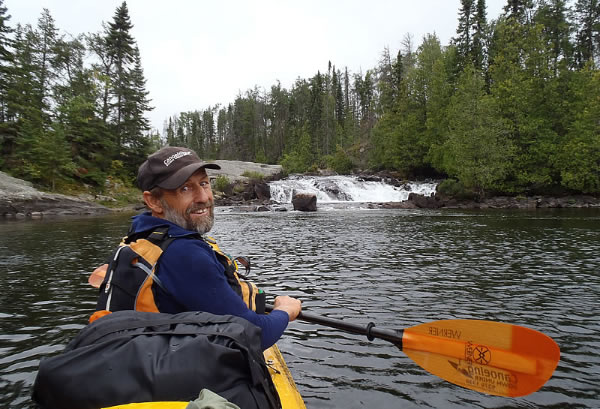
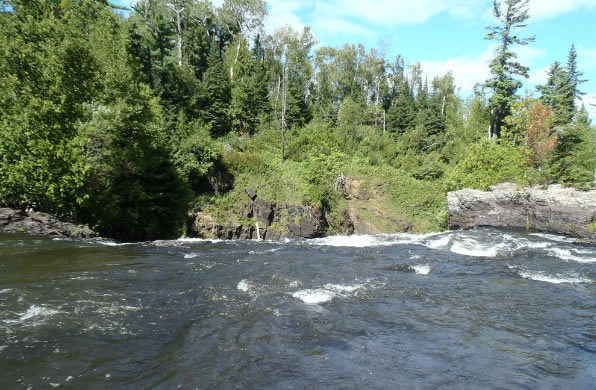
This rapid created a portage.
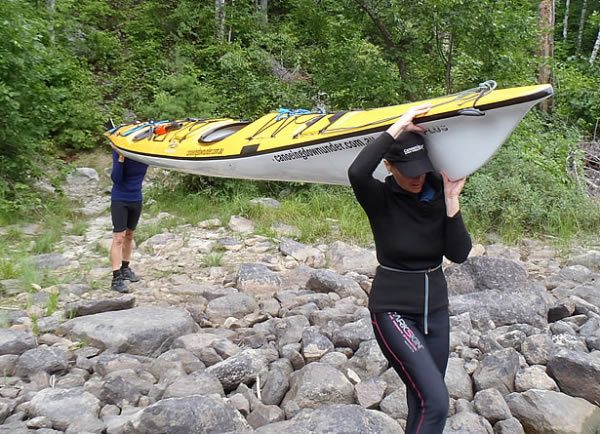
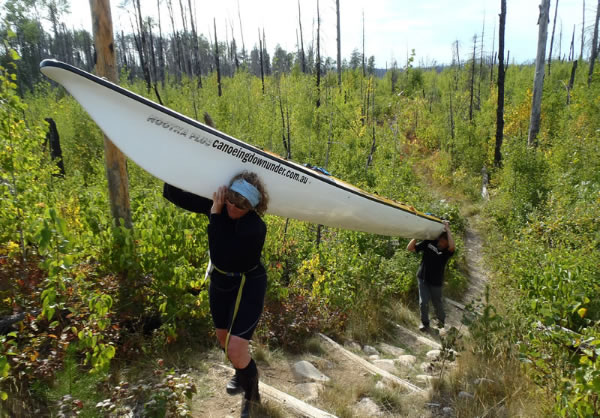
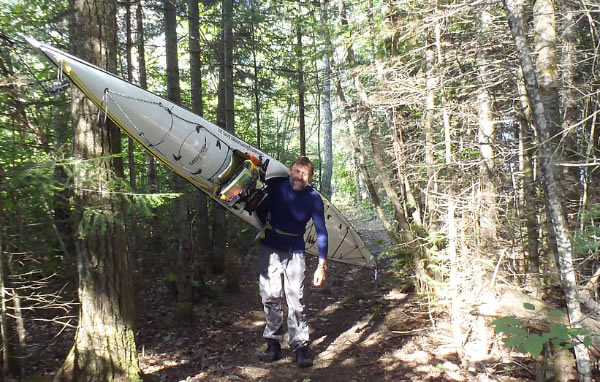
It wasn't easy carrying a heavy double kayak across rough tracks and boulders. Some of the longer portages took up to 7.5 hours.
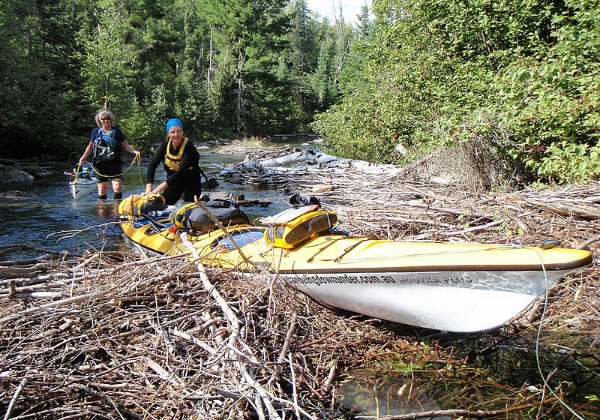
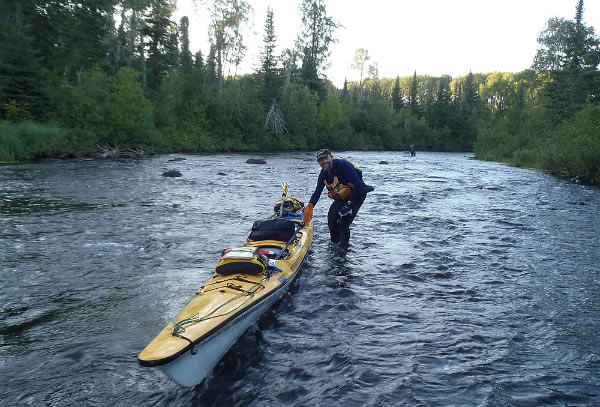
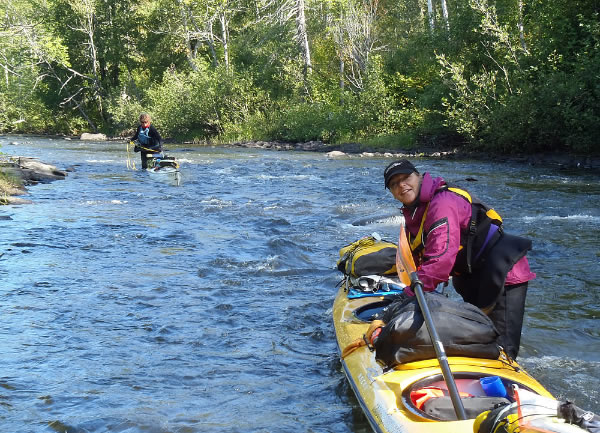
Some lakes had streams connecting them so we were able to pull our kayaks up shallow water over rocky rapids and beaver dams.
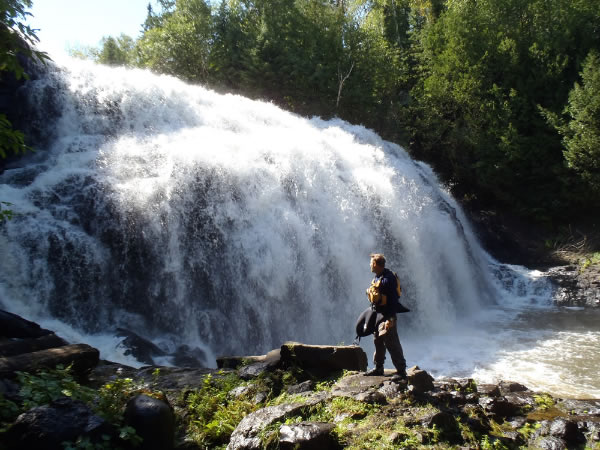
Another waterfall stood in our way. Every time we came to a portage we had no choice but to unload.
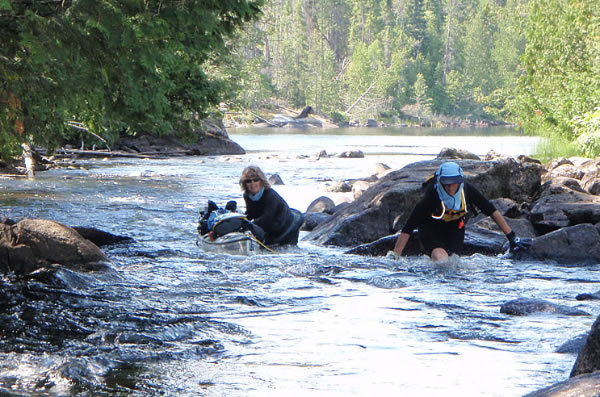
We would do just about anything not to unload, but we had to be careful not to get washed back down the rapids.
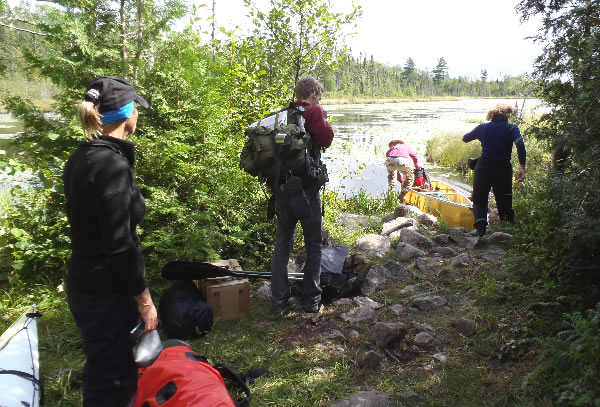
Most of the portages were from one lake to another and the only choice was to portage overland.
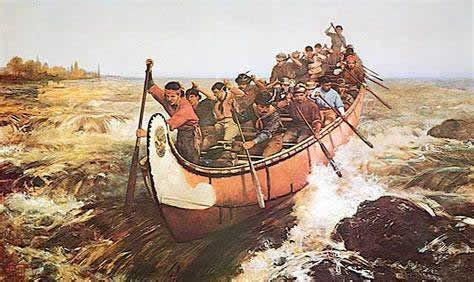
This is how the Voyageurs, who were engaged in the transporting of furs by canoe during
the fur trade years used to do it.
We loved the scenery, but it did mean yet another portage.
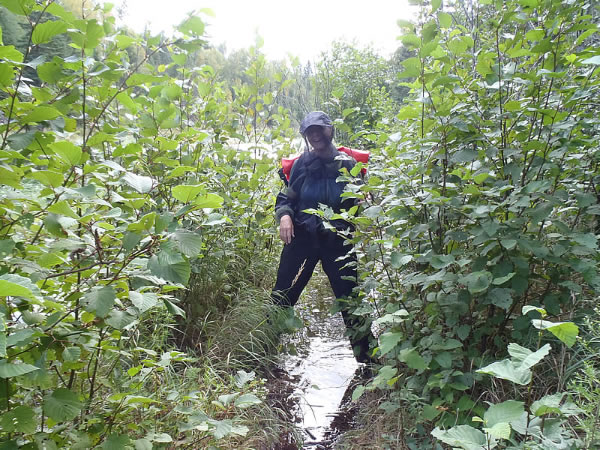
The portage tracks were often difficult to negotiate.
When paddlers portage canoes, they can just throw their packs in the canoe and go. Packing a kayak is much more time
consuming.
Portaging was not meant to be easy. It's certainly harder than paddling and it certainly disrupts the days paddle. Sometimes we had to portage three times. Other portages were so long it took hours to do them.
This really long portage took us 7.5 hours to get across. To portage meant that we had to make three journeys. One journey
to carry the big double kayak and gear, and two other journeys to get the single kayak and all the rest of our gear. So it took a long time.
Another 2 kilometre portage and our second last one. We finally made it to the Pigeon River which would take us to our last major portage,
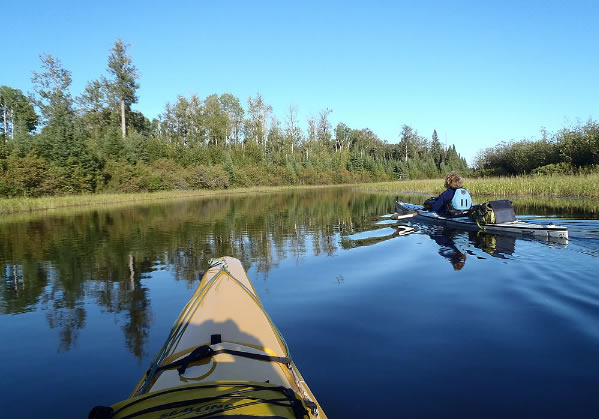
which was 20 kms long. It was nearly 5.00pm and we needed to load up and paddle along the river to find a campsite before dark. The current was lazy and river narrow and lined with reeds, like paddy fields. The edges were swampy and not good for camping but we were surprised to be able to paddle so easily down the river. The sun was behind us and
getting low in the sky, but it was lighting up and shining on the trees, the reeds and river ahead. It was beautiful lighting and such a wonderful night. We could find no camp sites among the river reeds and swampy gullies so we just kept paddling. Then we came to the rapids marked on my map. We didn’t see the portage route but it didn’t matter we
were able to walk our kayaks down the small rapids. It wasn’t easy and the sun had now disappeared behind the canopy of trees leaving the valley cold and the water we were walking in even colder. At times we could get in and paddle but it wasn’t for long. The double kayak sitting low in the water crunched over several rocks as it was
impossible to miss them in the shallows. Leo was behind lining the Epic kayak down. The chill turned to cold, our fingers started to freeze, well nearly, so we really needed that camp. I checked a spot but it was hugely uneven and would only take one tent so we moved on again.
The river was so peaceful.
The flow and river grade and depth kept varying so at every opportunity we jumped back in. A few metres later the kayak would crunch over a rock or two and we would have to get out again. We were more out than in. At times we walked into deep holes that we didn’t realise were there, which was most unpleasant
and cold. Alaine and I worked as a team to get the kayak around all the boulders, some we left white gelcoat paint on. Leo didn’t have the best balance over the slippery rocks so she took it slowly but managed okay. Darkness was less than 45 minutes away and we were still wading through icy water. I checked a small island and it had too many
gullies to camp. There seemed to be a lot of high grass lining the river edge, but it too was full of gullies. Just before another set of rapids I saw higher ground. I just knew we had to stop before we tackled the next set of rapids as I didn’t know how long they would go on for and it was getting too dark not to camp.
The shallows and small rapids meant that we had to walk.
I jumped out to check. It wasn’t level, but there was a tiny clearing so it just had to do. We shivered as we heaved the kayaks up the steep bank underneath the branches of a pine tree. When we got the kayaks up there really wasn’t a lot of room for the tents but we found another spot a few metres upstream.
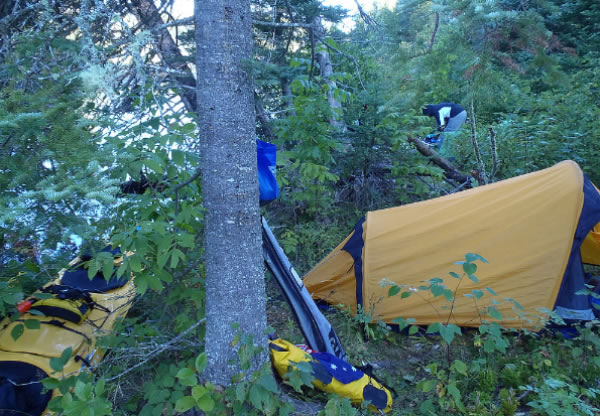
This had to be our camp for the night. We changed quickly. The half moon was shining brightly through the trees by the time we got our tents up. We didn’t have much room to walk about, but we managed to cook a quick meal before crawling into our tents that were erected on tree roots and spiky vines. To our surprise there were no mosquitoes, but it
was cold.
It was difficult finding a place to erect our tents. Tuesday 6th September There was a real chill in the air and when we surfaced there was frost on the kayak and the clothing we had left out was as stiff as a board. Because we had finished most of the portages I thought we deserved an extra rest so I didn’t rustle the gang until 7.45am, 45 minutes after we usually get up. It was so cold so immediately I had to find my neoprene gloves to warm my hands. We had a cereal breakfast and a hot cup of tea before leaving our makeshift camp in the hope of finding some sun. Pushing the boats into the water was fairly easy but getting in them without stepping in the mud was much more difficult. With our legs tucked inside the cockpit we tackled the first rapid which was only a few metres away from camp. There was supposed to have been a portage track close by, but we didn’t see it. We managed to paddle down the first small drop before it shallowed and we had to get out and face the freezing water. Here began the start of a fairly long walk. We stumbled along much of the time leaning on the kayak and using it as support, but when the water deepened
we leapt back in and dangled our feet overboard as our ride was usually short lived. Just before, or when the kayak crunched over a rock we would leap out and steer it around the boulders again. It was tedious work but much quicker and easier than portaging. After another 45 minutes of scrambling through the shallows we hit deeper water and
it was such a relief. A little further we stumbled on a high waterfall and thank god we stopped to check. At the waterfall we had that long 20 km portage, but because it was the first portage that involved tracks we could use our trolleys for the first time. It was much easier, but it took us all day to get to our next destination, Lake Superior
which we would paddle on for a few more weeks.
The shallow water continued.
Thank god we got out and checked.
Partridge Falls - Oh I'm glad we decided to portage before the drop!
On this 20km portage it was the only time we could use a trolley. All the other portages were too rough, too rocky, too steep, too narrow and impossible to pull a trolley.
We followed a route taken by the Voyageurs.
Voyageurs were French Canadians who engaged in the transporting of furs by canoe during the fur
trade years. Voyageur is a French word meaning “traveler.” From the beginning of the fur trade in the 1680s until the late 1870s, the voyageurs were the blue-collar workers of the Montreal fur trade. At their height in the 1810s, they numbered as many as 3,000 men. Hired from farms and villages of the St. Lawrence Valley, most spoke French and generally could not read or write. These men agreed to work for several
years in exchange for pay, equipment, clothing, and “room and board.” Most voyageurs would start working in their early twenties and continue working into their sixties. Sometimes being a voyageur was a family tradition. Hard-working, tough and brave voyageurs provided the power to move the canoes forward, paddling at a rate of 40-60 strokes per
minute, often 16-18 hours a day. They were also required to carry a minimum of 180 pounds on their backs, as both trade goods and furs were placed into standard weight bundles of 90 pounds each, and each voyageur was required to carry two bundles, though some carried even more. Twelve beaver hides paid the wages for a common voyageur for the year. The voyageurs were considered legendary, especially in French Canada, where they were considered heroes and celebrated in folklore and music. However, despite their fame, their lives were not nearly as glorious as folk tales make it out to be. Danger was at every turn for the voyageur, not just because of exposure to
outdoor living but also because of the rough work. Hernias were common and frequently caused death. Other physical ailments included broken limbs, compressed spine, and rheumatism. Drowning was common and the black flies and mosquitoes were kept away from the sleeping men by a smudge fire that often caused respiratory, sinus, and eye problems.
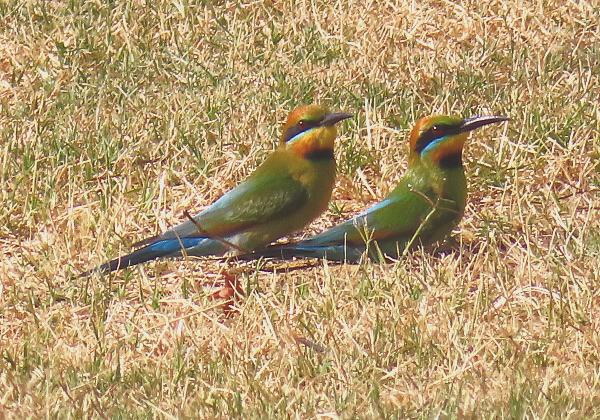
Rainbow Bee-Eaters. It's time to make a nest in the sandy ground.
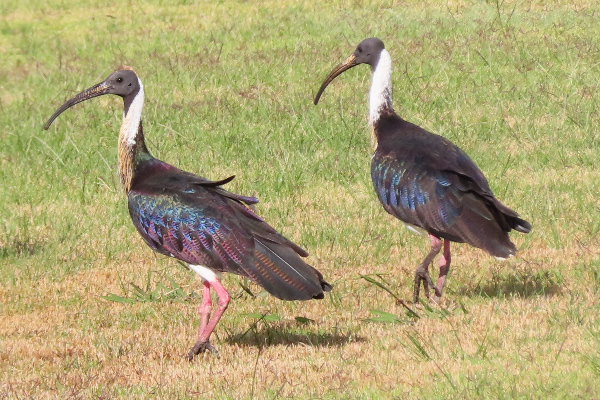
When you really look at a Straw-Necked Ibis you realise how beautiful these birds are.
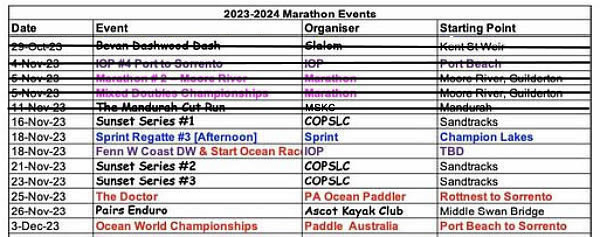
Pairs Enduro 26th November 2023 Paddle in Pairs Middle Swan to Ascot
The 2023 ICF Canoe Ocean Racing World Championships
in Perth, WA Don't miss out on this incredible opportunity. Register for the 2023 ICF Canoe Ocean Racing World Championships by visiting the official event website. Regardless of your skill level, this is your chance to be a part of something extraordinary. From November 30th to December 3rd.
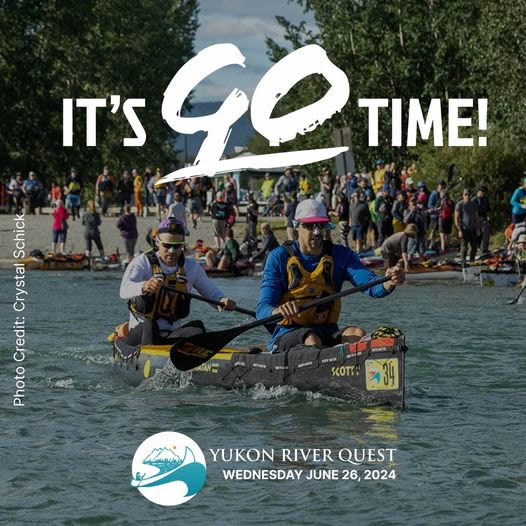
Registration for the 2024 Yukon River Quest is NOW OPEN! Remember: Space is limited so be sure to sign up early.
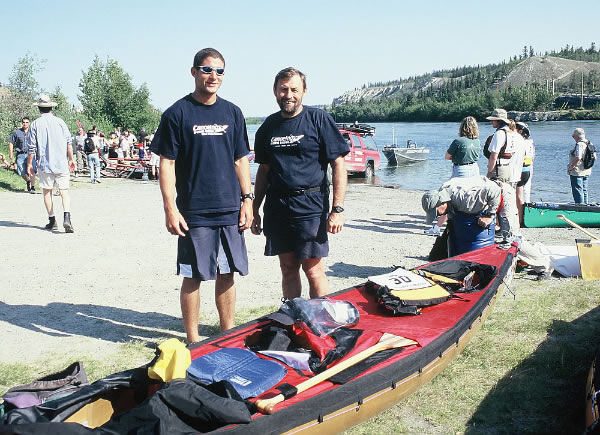
Ed Van eer and I competed in the race in 2004 as part as our 3300 km paddle down the entire Yukon River. Our fourth canoe position didn’t
receive a prize, but for our sixth overall position (including single and double kayaks) we received $700.00 between us which just paid for our entry fee.
It was good to have been the second fastest canoe on the last leg, which meant that we were either getting better the further we went or the other crews were tiring.
|
|
|
|
|
|
|
|
|
|