|
|
|
|
How cold has it been this week but how beautiful the days have been. I'm glad I don't have to get up at 6.00am to go paddling.
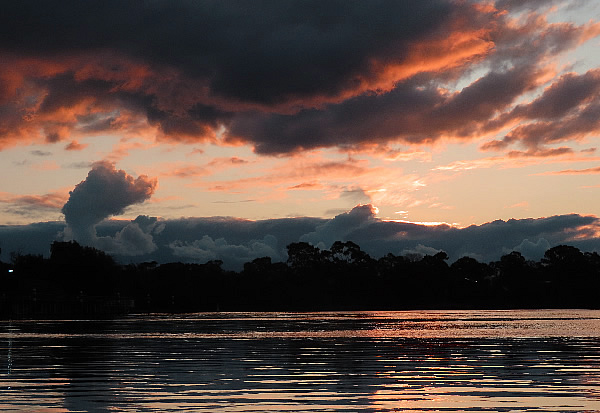
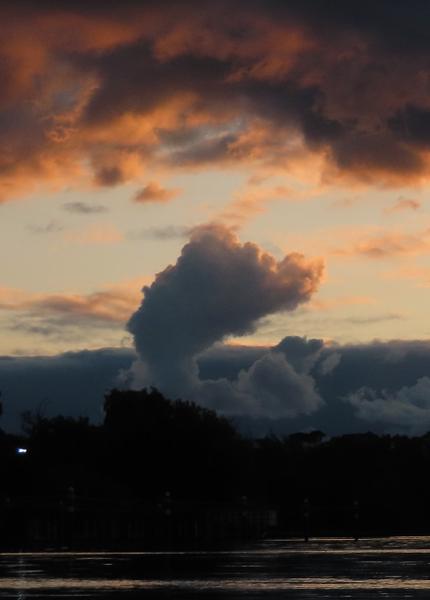
Approaching Ron Courtney Island looking west at sunset.
- Who's Out There
- WA Slalom Race #2
- Wild Water Bells to
Amiens
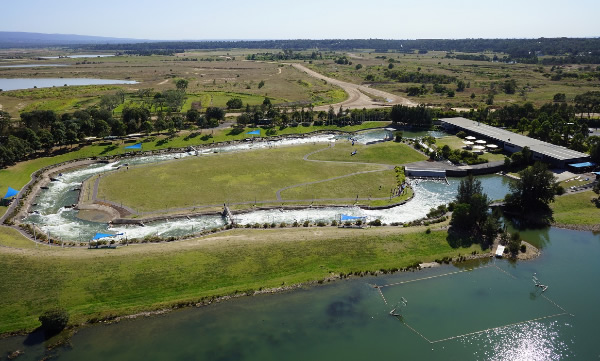
Penrith White Water Stadium - Grand Rapids - part two
- SUP Races in Europe
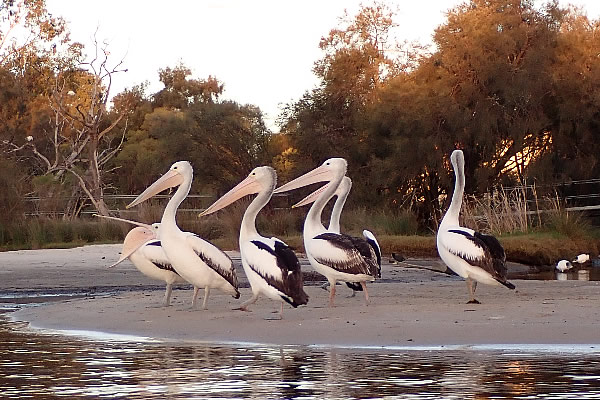
- Birds Along The Way
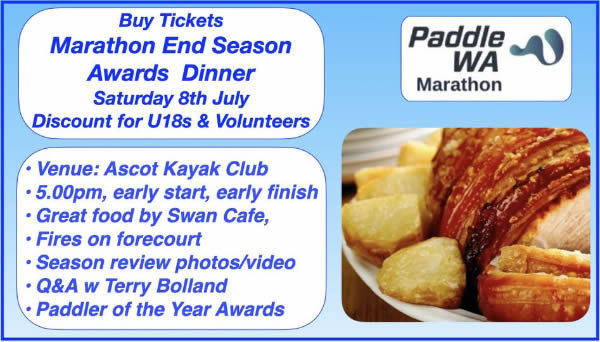
- Marathon Dinner
- Avon Descent Assessments Dates
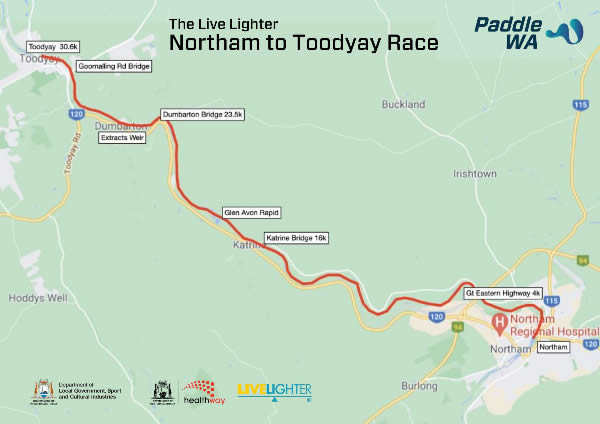
- Northam to Toodyay
Race
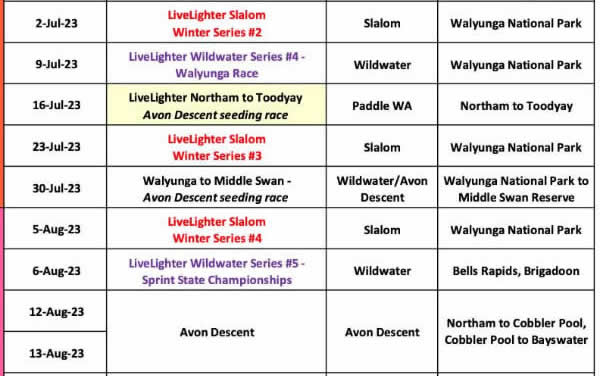
- Coming Events
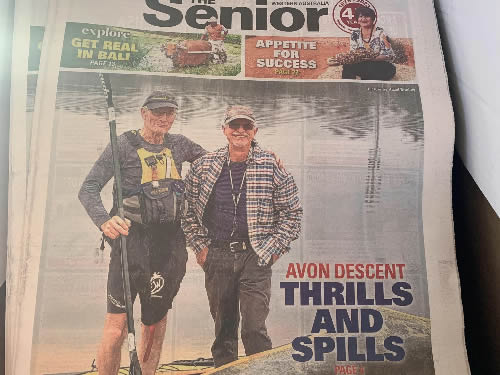
Youngsters David Tupling and Patrick Irwin make the front cover of the Seniors paper.
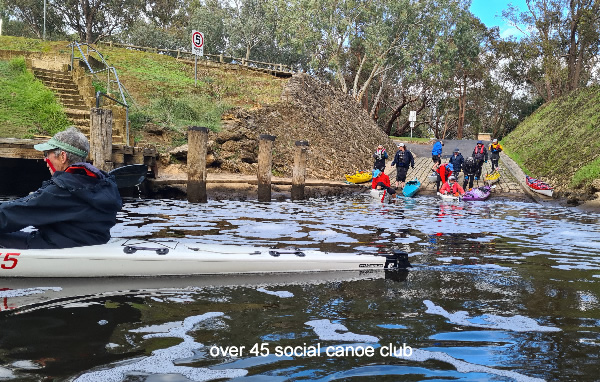
Over 45 Social Canoe Club social paddling on the Murray River, Pinjarra. Photo Kevin Hall.
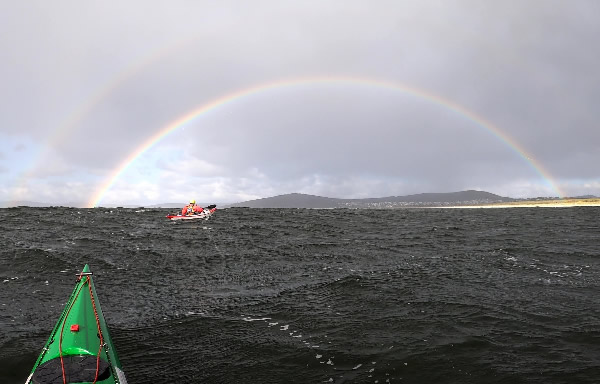
Colin paddles towards the 'pot of gold' in Albany. Photo Chris
Fry.
WA Slalom Winter Series Race #2 Sunday 2nd July, 2023
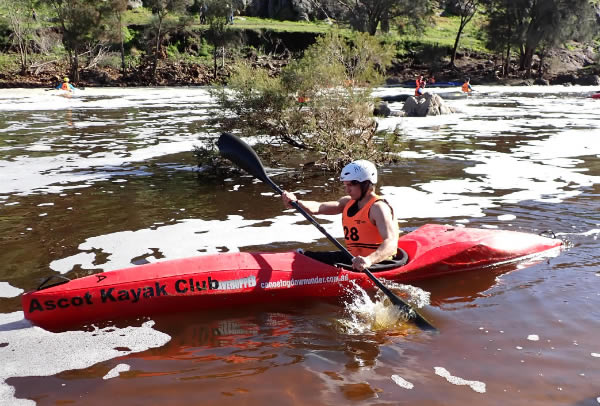
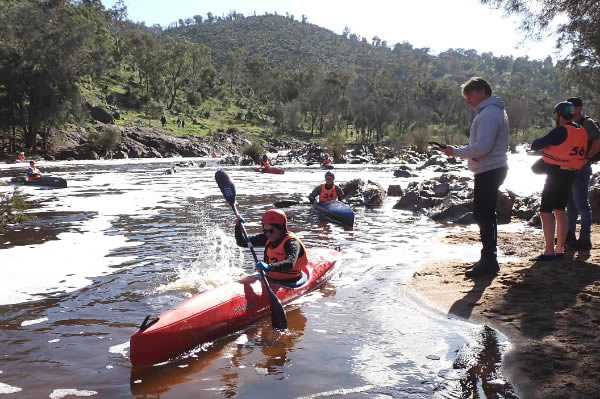
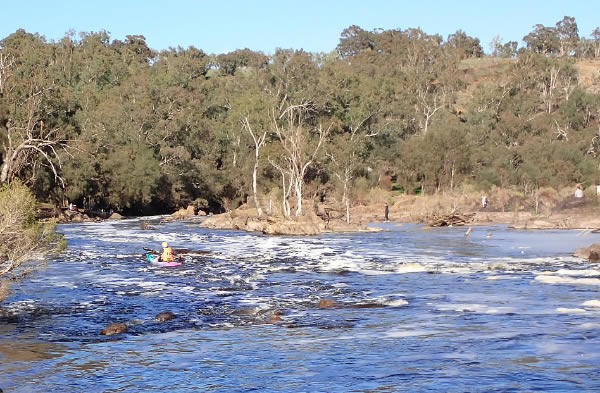
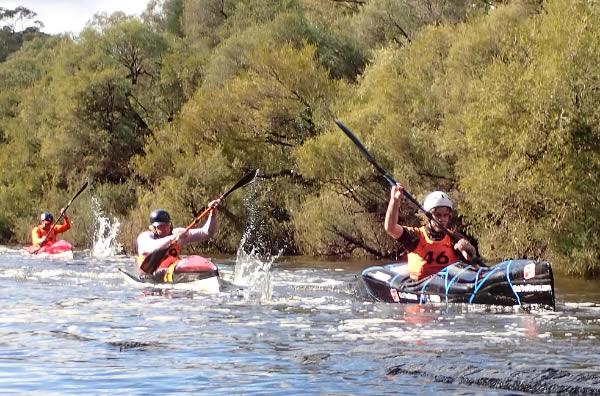
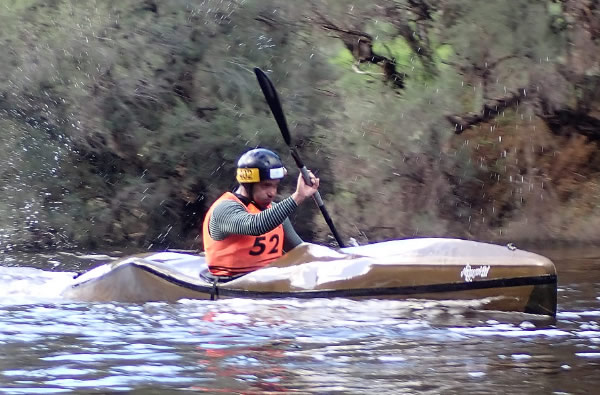
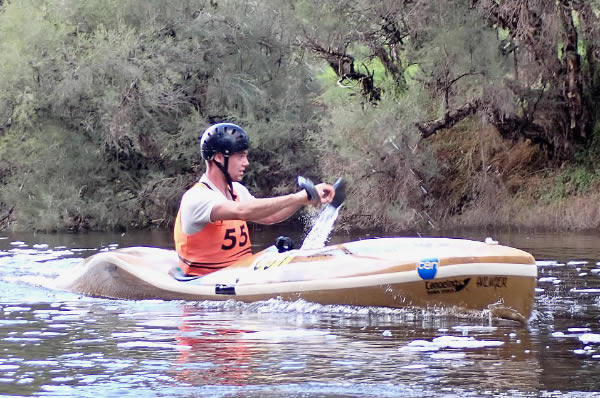
Wild Water Race #3 Bells Rapid to Amiens It was a cold morning but the wet
weather kept away making it a pleasant day. 54 paddlers entered the race, several for the first time and most of the Wild Water die-hards were there, even me. I just realised that I have paddled a Wild Water Kayak longer than anyone who is still paddling one, with Darryl Long and Dave Worthy being close behind. We had 33 paddlers, paddling kayaks without rudders and 21 in the sundries division paddling kayaks or skis with rudders. It would be great to see some of the 21 sundry paddlers taking on the challenge of paddling a kayak without a rudder. We need to keep the discipline going. Unlike many races a Wild Water Race is a time trial so paddlers go off individually and paddle alone against the clock at 30 seconds or 1 minute intervals. Usually the slowest paddlers go off first and are seeded
so that the paddler behind doesn’t catch up with the paddler 30 seconds or a minute in front, but that doesn’t always happen. We often pass others on the way to the finish. My race, Darry Long, who left 30 seconds behind me, caught me 3kms into the 7km race and from then on I was duelling with Darryl. He passed me three times and I passed him twice and I crossed the line half a boat lengths behind him. It was a great race, although Darryl beat me by 31 seconds that didn’t matter. Darryl and I go back a long way, over 44 years. I remember the days when Darryl as 16 year old used to chase me down the river. A year later I was chasing him down the
river with no hope of ever catching him up. Wild Water Racing is great fun, it needs skill, discipline, vision and foresight and we need more paddlers to
give it a go, so what about it! The success of these races is due to Kris Smith and his committee and the volunteers on the day. It’s not an easy task to
run a race that has paddlers going off at intervals. Male WW winners were Luke Dooley 1st, Harry Langley 2nd and Peter Tomczak. Female WW winners were Steph Smith 1st, Sharon Cobley 2nd and Izzy Florisson 3rd.
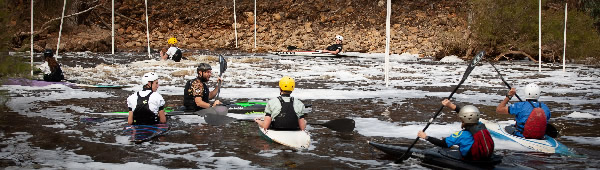
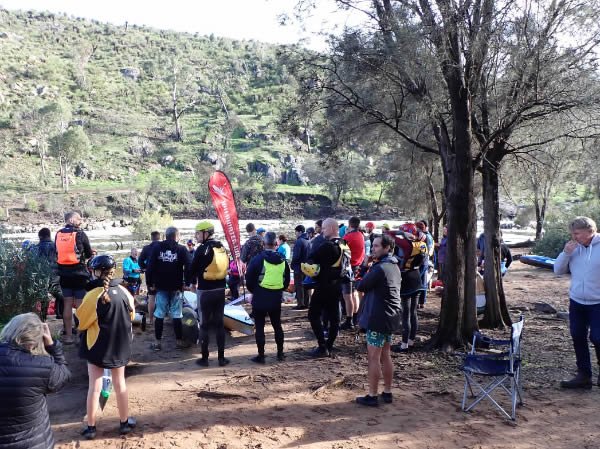
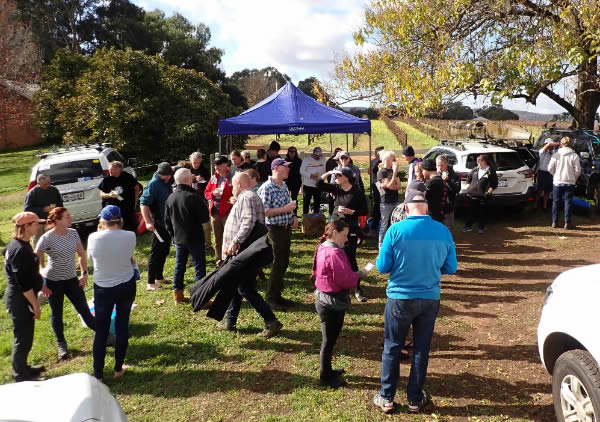
Paddlers waiting for their turn to go.
Jack Wright our next junior Wild Water Champion in the making.
Tim Edwards is off. Bruce McWhirter timing.
Alan Moreby heading downstream.
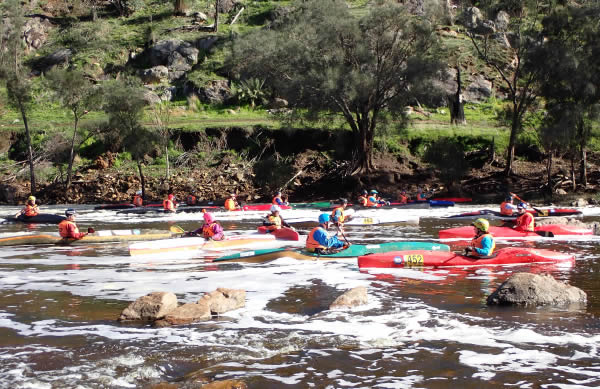
Christopher Greed, Phil Langley and Peter Gigengack near the finish line.
Soup and buns at the end. The race organised by Wendy
Burdett.
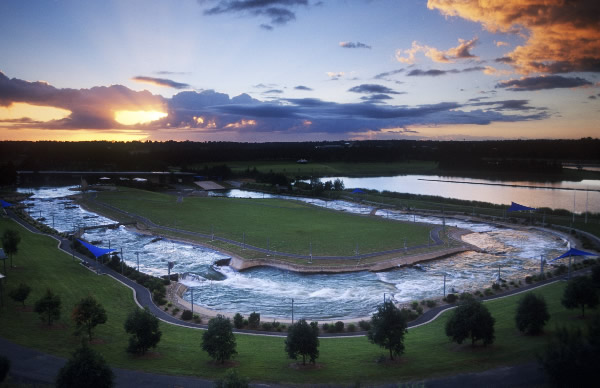
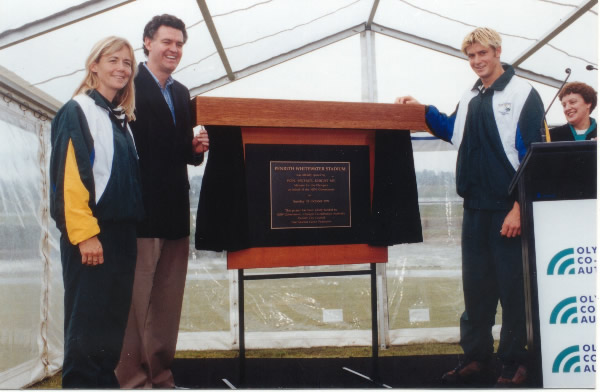
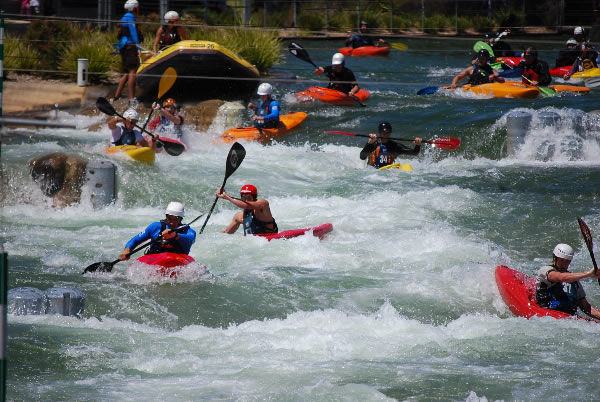
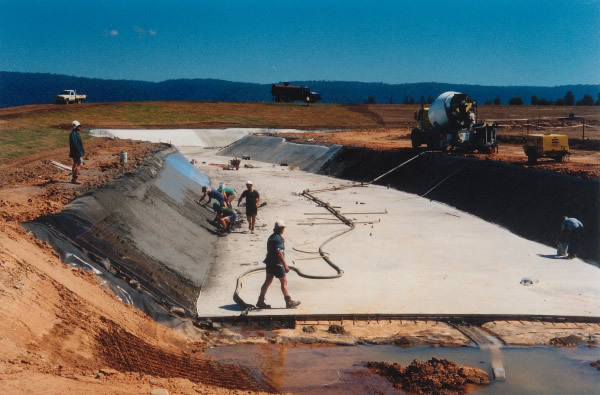
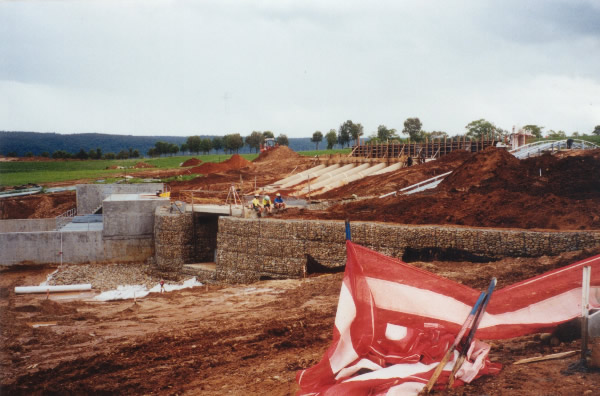
Penrith White Water Well, it’s the end of an era for Penrith Council. For nearly 25 years Penrith City Council has managed Penrith Whitewater Stadium, however from July 1st the NSW State
government will take it back and the Office of Sport will manage the facility day to day. Some of us might be back in the new season and some of us will move on to other opportunities. To all our past and present customers, and our staff, a HUGE thank you for the last 25 years… it’s been an incredible ride
WAs Olympian Robin Bell, on right is there when the white water course was opened in 1999. Several other WA paddlers have had to move to Penrith to get onto the world stage. With Michael Knight, Danielle Woodward and Helen Brownlee.
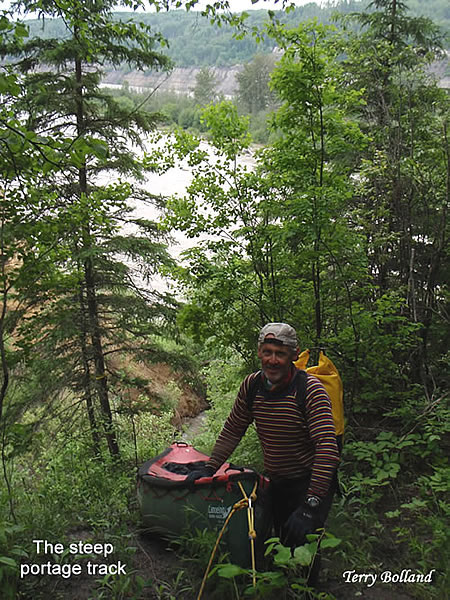
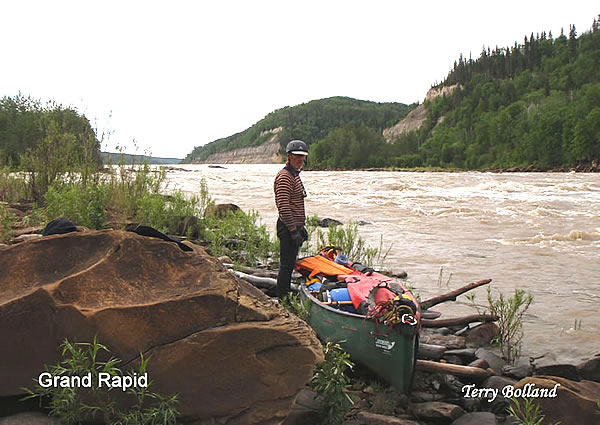
Grand Rapid, Athabasca River, Canada Part two A few metres from where the overgrown portage trail started there was a white square sign with the words, ‘Grand Rapid Portage Start’ and a red triangle with an ‘X’ inside. We loaded packs on our backs and bags over our
shoulders and water containers and bladders in our hands. We were really laden down and as we started our steep climb we didn’t have any idea how long it would take or what terrain we were up against. Within seconds the slippery trail had us out of breath. It headed near vertically at times levelling off to a steep incline. For 25 metres or so the track was on the edge of a steep embankment, and had we slipped, we could have fallen to our death into the cascading creek. Once the trail started to move away from the creek I felt a lot safer though it was still slippery and steep. Breathing heavily as we neared the top of the hill we came to a clear area, a small meadow. It would have been interesting to know if the meadow had been cleared by man or if it was a natural clearing but at the time it didn’t matter.
It was a relief to drop our heavy bags and sit down for a few moments to rest and catch our breath. We didn’t get to sit too long though as the mosquitoes were soon having a feast of our bodies. We immediately returned for another load, covering a distance of 100 metres or so, and went through the same routine. Up the almost
vertical hill, slipping and sliding, and drawing deep heavy breaths with the sheer exertion. We rested for a few minutes at the meadow and instead of returning for the canoe we decided to carry on and portage the next section. Although this section was not as steep, it was still incredibly tough and demanding. It appeared that the trail hadn’t been used yet this year as trees were strewn across the trail. We either had to break our way through the branches, climb over them or make a new route
around. The heavy loads on our back and in our hands made it all the more strenuous to fight our way over, under and around and the mosquitoes didn’t make it any easier. There were several creeks that stood in our way and had to be crossed. A couple of them were particularly muddy, deep and steep which made it difficult to get out. The thick gooey mud sucked at our feet and legs making it near impossible to move, but it was the steep gully sides that created a near impenetrable barrier to get up
and over. We struggled, but we just kept trudging on. If we didn’t the mosquitoes would make a meal of us. Tony was slipping, sliding and falling on his bum, his newly acquired sandshoes providing little, if any assistance as they didn’t have much grip in the mud.
It was one hell of a steep hill to portage.
The forest was quiet, but at times when there was a slight clearing down to the valley we could hear the whistle of a kite and the roar of rapids. As much as our trek was so very hard and very physically demanding, I couldn’t but help
revel in the feeling of being in the midst of the Canadian Wilderness. When we eventually reached the end of the portage we were muddy, we were sweaty and we were literally covered with mosquito bites. Despite this, there was a sense of elation at what we had achieved, even with the knowledge that we had to repeat the process
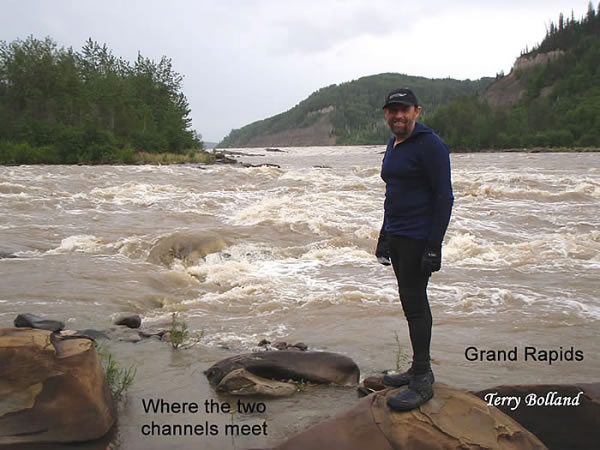
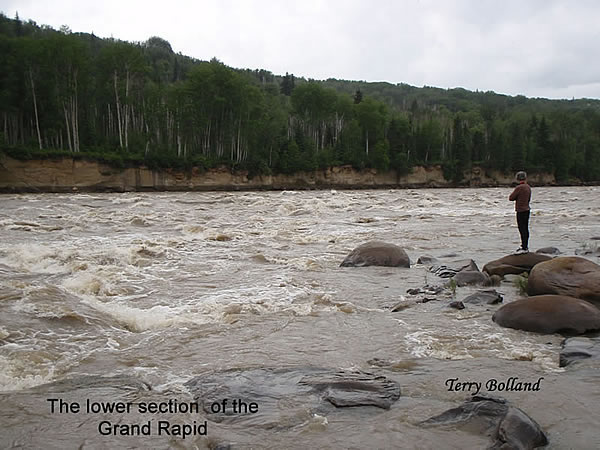
again and again. We spotted a wrecked canoe lying in the bushes, a sober reminder that we had made the right decision to portage. Here, at the bottom of the portage, we scrambled over to the rocks in the river, trying to get a better view of the rapids in the right channel, this being the channel we would have come down if we hadn’t stopped. Although it was a mass of bubbling white water it didn’t look as bad as the books and information described. We felt a slight temptation to paddle down it with our empty canoe, but at the back of our minds was the wrecked canoe laying in the bushes just
metres away. We knew that if anything should happen and the canoe was lost or severely damaged our trip would be over. The rapid was graded as a 5, which is the most dangerous and difficult of all rapids and although we couldn’t see around the bend, what we could see, certainly didn’t look like a 5. However, saying that, a rapid always looks smaller from a distance than it really is and looking closer at the nearer holes, they did look bigger than they first appeared!! Yes I think it was too
risky to run it in a canoe, but for a white water kayak in the right hands it looked possible.
After looking at the rapids, although we would have loved to have paddled the middle section we knew it was too risky as we were in the wilderness and no way to get out without the canoe.
The rapids downstream of our portage didn't look so bad before reaching the Little Grand Rapid.
We started our walk back. It had taken us 40 minutes to get from the meadow at the top of the hill to the water’s edge at the end of the rapid, but it took only 30 minutes to walk back without any gear. Walking back free of gear felt
wonderful. We noticed another canoe that appeared intact near one of the muddy washed-out creeks. I wondered if the owners had got fed up with pulling it and just left it there as it was a difficult section to traverse. But if they did, how would they have gotten out of the area without a canoe. It was a mystery! Returning for our
second load was no easier. It was still arduous and very tough and there was no denying that our load was awkward and really heavy to carry. I felt that my arms had been stretched, almost as though they had been put in a torture rack and lengthened. Eventually we returned for our last load, the canoe. This wasn’t going to be fun
or any easier than carrying the gear as we had to get the heavy canoe up the steep, slippery slopes to the meadow whilst still carrying some gear on our backs. The first steep part, with the sheer drop into the creek just metres away was gruelling. The canoe was heavy and the mud seemed to suck it down making it difficult to move and at the steeper parts it wanted to slide back down the slope. We slipped underfoot and grunted with sheer strain while the threat of being pulled back over the
vertical edge if we lost control was very real. Tony took one end of the rope that was attached to the canoe and walked about ten metres away whilst I pulled from the bow of the canoe. Together we pulled and inched the canoe slowly and laboriously and painfully up the hill. When we could see the top we sighed with relief, though that last part up onto the meadow was still tortuous and difficult with a tight turn and one last steep section to negotiate. We started the final journey from the meadow to the portage end with wobbly legs. Tony pulled on a long line and I now pushed from behind the canoe. With all the ups and downs, sharp corners, muddy creeks, felled trees and narrow path the canoe proved to be a handful which stretched and strained our bodies to the limit. Crossing the muddy gullies, especially
the two big ones we were straining painfully as they were so difficult. We still had some gear inside, so lugging 45 plus kilos with a heavy load on our backs was tough to say the least. We’re no spring chickens, I’m 57 and Tony 52 but we just kept plugging on till we got the job done. I was both amazed and impressed with Tony’s commitment and stamina. I suppose because I didn’t think that he was really enjoying the journey as much as me, he may have been tempted to go slow and have less
enthusiasm. But he didn’t, he kept working right up to the end and there was no doubt we were both shattered. Throughout the portages the mosquitoes were relentless continually piercing whatever part of our bodies they could, and even when we were near the water’s edge and away from the long grasses, they never let
up.
Loaded and ready to go. Once settled in at our campsite I went for a walk
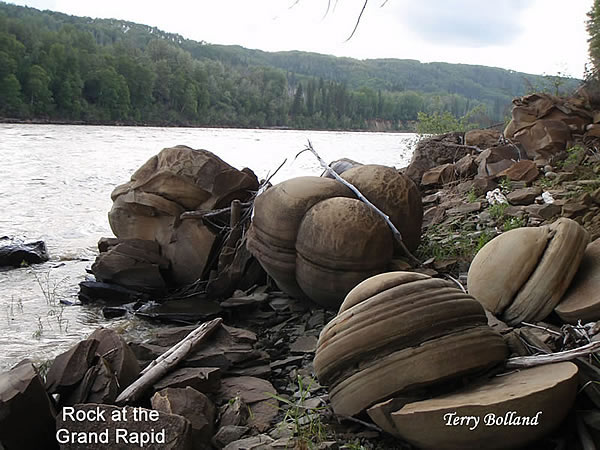
downstream to check out Little Grand Rapid, so as to be forewarned of what to expect the following morning. I could still hear the kite whistling away but it was the amazing rounded rocks that showed me that nature has no bounds. These rocks were shaped like giant eggs and some were broken in half, almost like a saw had cut them across the middle. I’m sure a geologist would have a field day here. It was truly remarkable to see such incredible rocks.
A concretion is a compact mass of mineral matter, usually spherical or disk-shaped, embedded
in a host rock of a different composition. This hard, round mass of sedimentary rock cement is carried into place by ground water. Concretions, the most varied-shaped rocks of the sedimentary world, occur when a considerable amount of cementing material precipitates locally around a nucleus, often organic, such as a leaf, tooth, piece of shell or fossil.
Concretions vary in size, shape, hardness, and color, from objects that require a magnifying lens to be clearly visible to huge bodies 10 feet in diameter and weighing several hundred pounds. Three Rivers to Tuktoyaktuk – Stage 1 – Rocky Mountains to the Arctic Ocean – Canoeing, Kayaking & Other Adventures (wordpress.com)
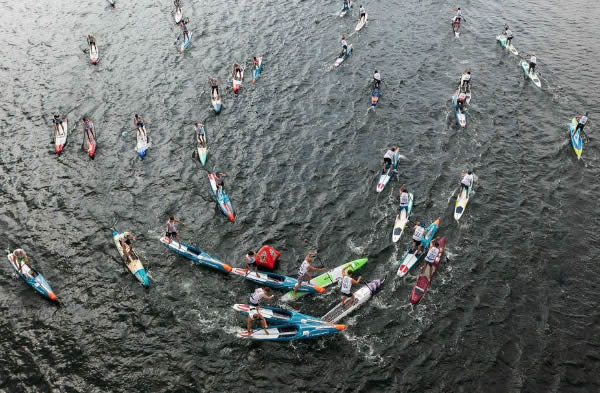
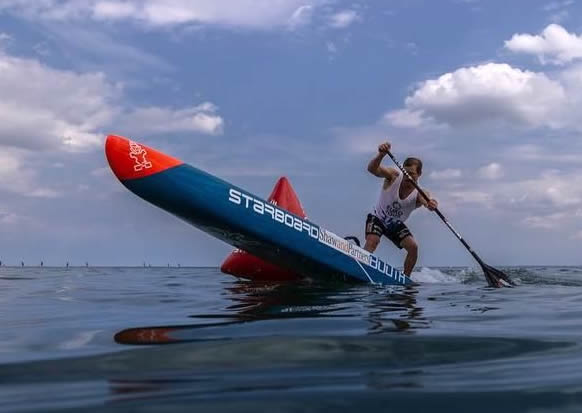
Stand Up Board Races in Europe
We think we have chaos in kayaks on turns.
Michael Booth is in Europe racing a SUP. The World
Championships are in Thailand this year.
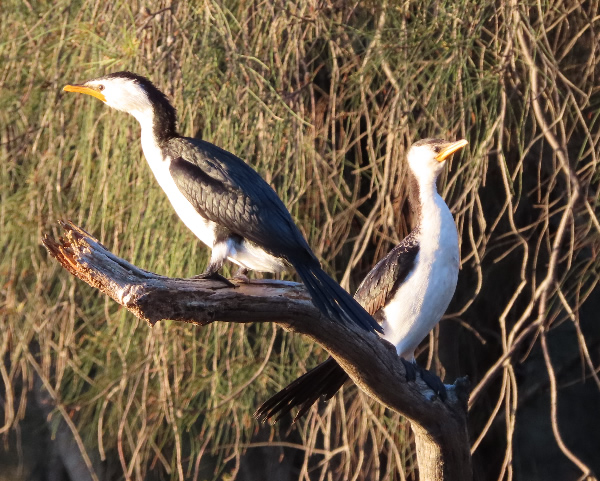
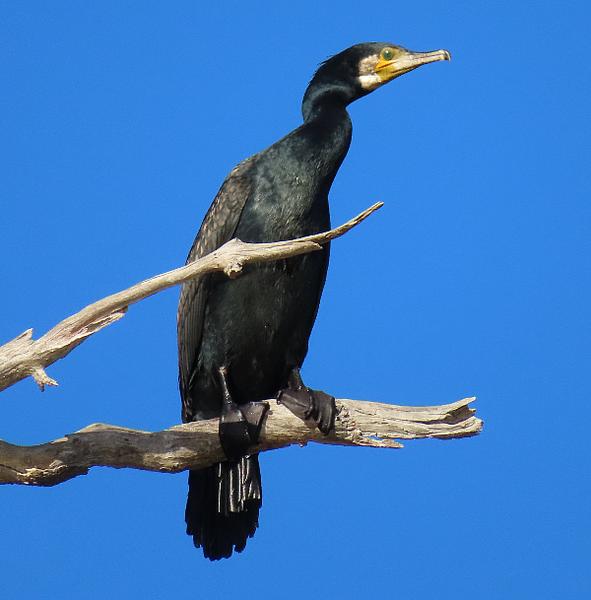
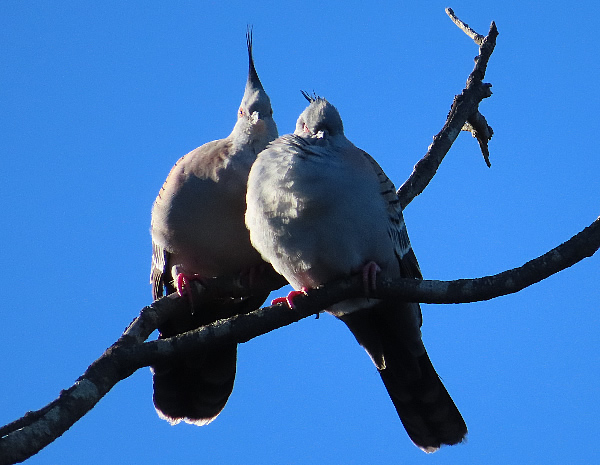
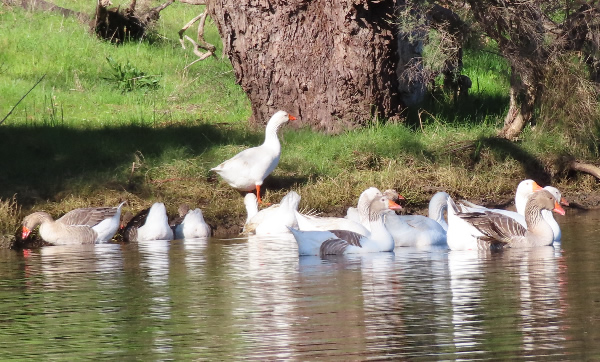
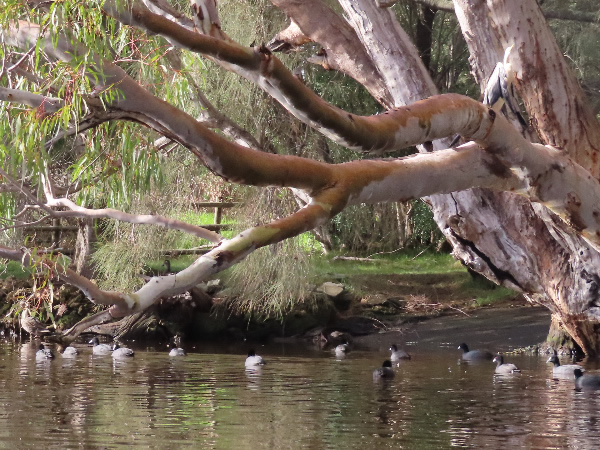
A few of the 30 Coots that were in this area.
Heading home. Near Ron Courtney Island looking west.
Avon Descent Safety & Competency Assessments Sessions available: Saturday 15th July 9.00am - 12.00 noon Saturday 22nd July 9.00am - 12.00 noon Sunday 23rd July 9.00am - 12 noon Saturday 5th August 9.00am - 12.00 noon Sunday 6th August 9.00am - 12
noon Cost: $60.00 AKC club members / $120.00 non club members Location: Walyunga National Park (subject to water levels)
What to
Bring: Your own kayak and gear
Please note the sessions are subject to water levels. If there are any changes we will advise 24 hours prior. Walyunga Park Fees apply https://exploreparks.dbca.wa.gov.au/park/walyunga-national-park Any queries email akcadministration@gmail.com Book here: https://www.ascotkayakclub.asn.au/for-sale
Wavehopper for Sale Sorry the paddler doesn't come with it! $250.00 Terry
0417977330 Having to clear some of my 52 boats. |
|
|
|
|
|
|
|
|
|