|
|
|
|
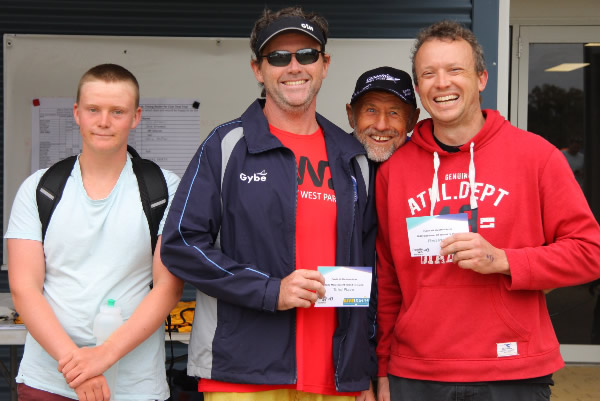
This weekend is the Paddle Australia Awards Night. I have been nominated in the Senior Paddler of the Year so I will be flying across to Sydney in the hope of winning it.
At
this stage I have no idea who the other nominees are. I have noticed that in some weeks over 100 people haven't opened their newsletter. It seems to occur more when I have lots of photos in the newsletter. So if you don't receive your newsletter on a Friday please check your junk file.
- Island to Island Race
- Tides
- Birds Along The Way
- Bevan Dashwood Race
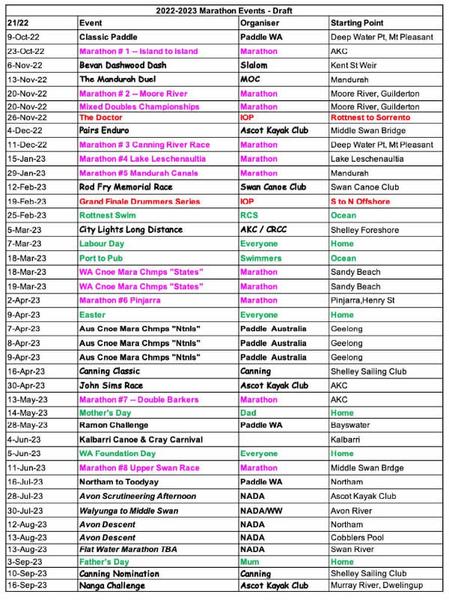
- Coming Events - The Duel
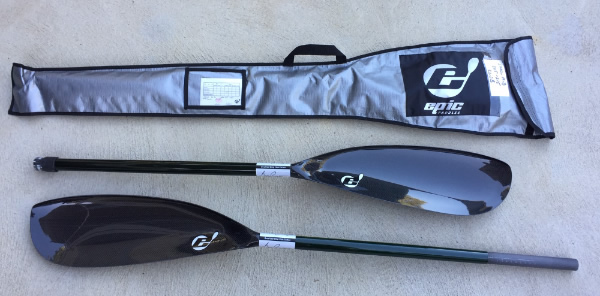
- Epic Paddles
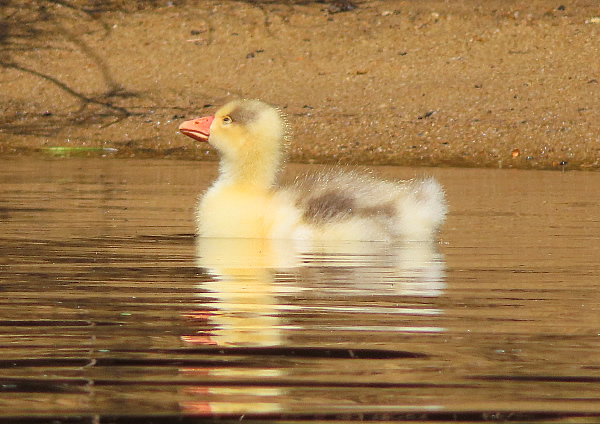
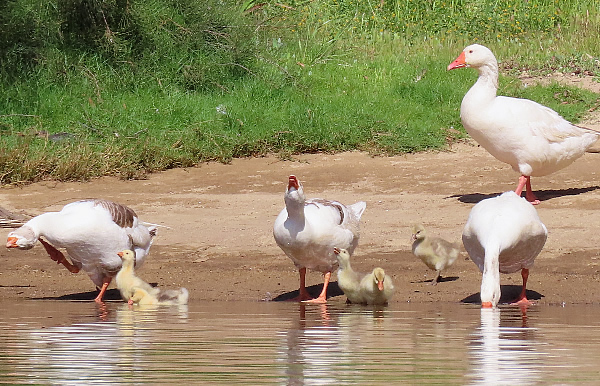
A young goose in Bassendean.
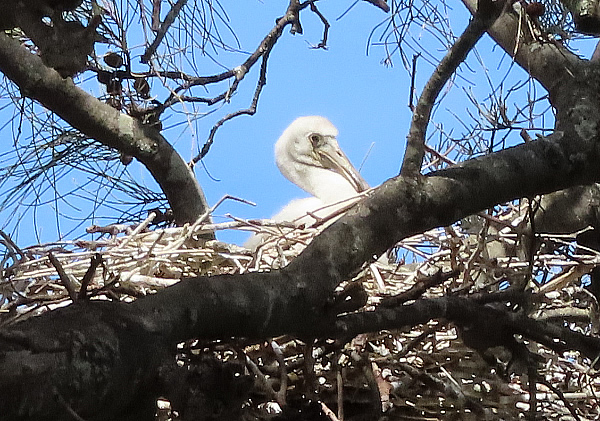
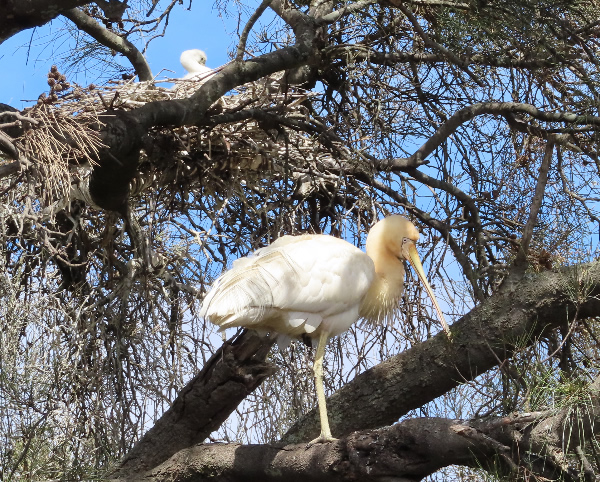
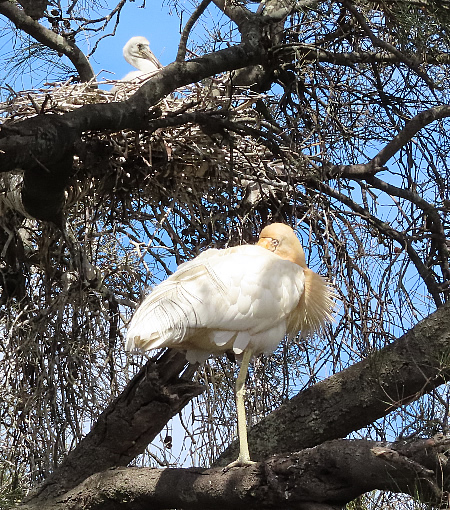
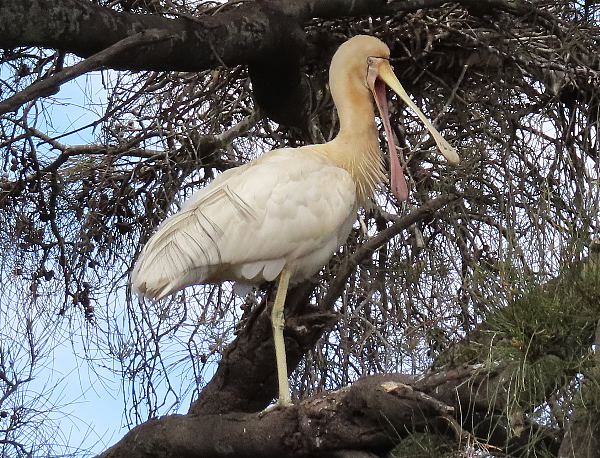
Eye-eye. A young Spoonbill growing stronger and bigger.
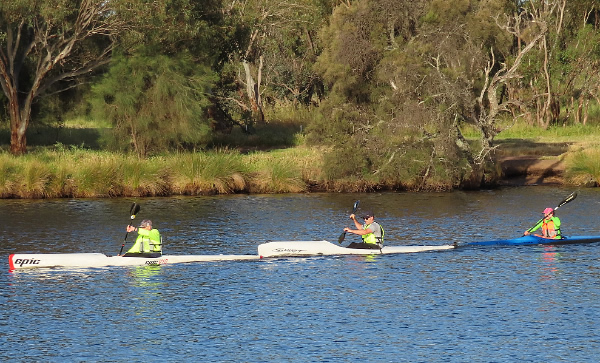
Steve, Jordy and Steph on Tuesday night at the
Progressive Racing Group session.
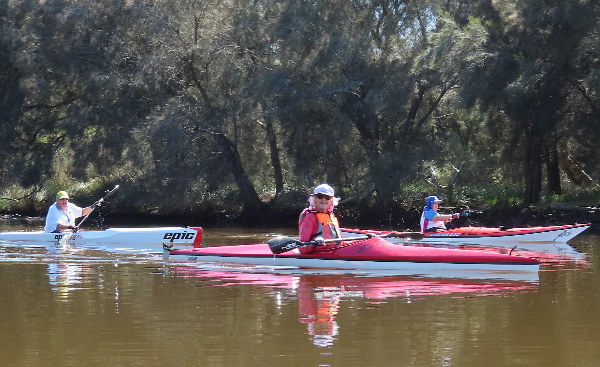
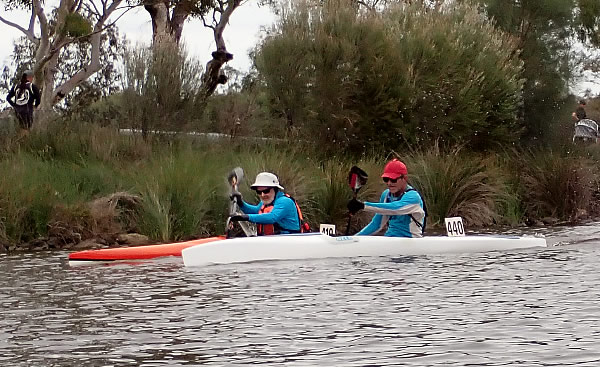
Murray, Barbara and Lorraine on a social paddle that they do at least 3 times a week.
Island To Island Race This is a race I love. It
passes my home, it's a route that I have paddled hundred of times over the 44 years I have lived around Ashfield Bassendean and the start is only 400 metres away. I have taken many bird photos along the route in the last year or so but I have a feeling I won't be checking them out whilst racing today.
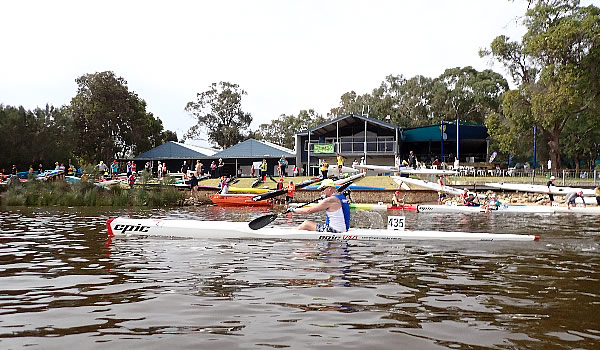
Chris Watson and all the other 146 paddlers heading to the start.
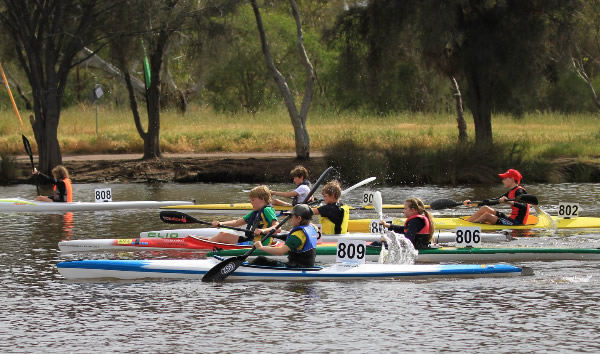
The guppies are off. Photo Rod Hale. It was the first marathon of the season and with 158 paddlers entered it was going to be pretty spectacular. The race had brought out several paddlers who had been in hibernation for a few years and others who I hadn’t seen at a marathon race before. After the briefing paddlers headed to the start line about 220 metres upstream. It was the fastest off first and most grids were packed across the river with the doubles going off first. As some paddlers warmed up and milled around they forgot to keep an eye out for their start so a few missed their grid, including Luke Dooley who was about 60 metres away when his grid
started.
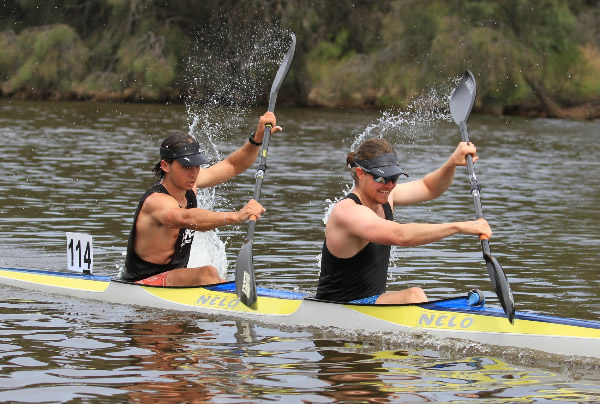
Stephan Weyers/Coran Longwood overall winners. Photo Rod Hale.
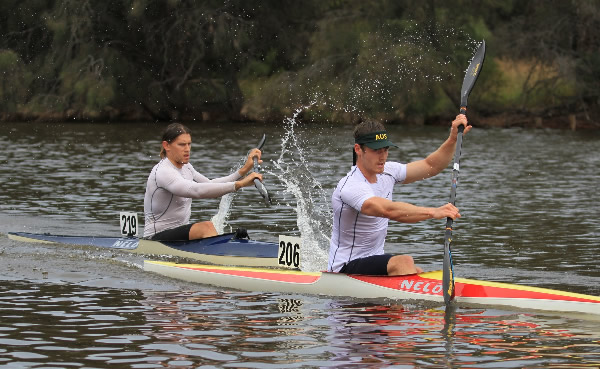
Harry Langley and Tim Hyde. Harry won. Photo Rod Hale.
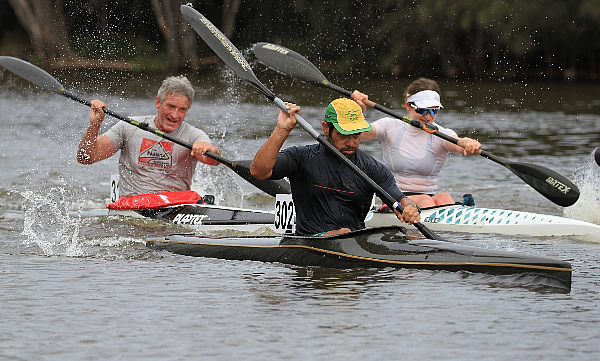
Bernard Hoffman, Peter Tomczak and Jane Pankhurst sprinting to the finish line. Peter
won. Photo Rod Hale. I was in Div 3 with many of my regular competitors. The ones I knew
that would beat me were Chris Buxton, Jono Clark, Jack Wright, Matt Hutchinson, Richard Lowther, and there were several other paddlers that were as fast or equal to my speed so the race was destined to be hard and I had to face the fact that I might not come in the top ten in my division. I had
a reasonable start and by the time I got around the back of Ron Courtney Island I was up with the top six. Usually I am behind a lot of the fast sprinters at this stage and I have to pass them when they get tired, but many of them were actually behind me. I latched on to a black V12. I
hadn’t paddled against him before, but he had a good speed. I later found out his name was Andy Pitchford. Chris, Jack, Jono, and Matt were ahead of us, but Andy kept a good pace and after another kilometre we were level with Jono and Matt and eventually got in front of them so now only Chris and Jack were ahead, but quite a long way ahead, although I did think we might have a chance to catch up. We came along side Ron Clarke who was in div 2 and took off 2 minutes before us. He wasn’t looking or paddling his best but he had paddled in a 30km downwind race the day before and had a few blisters and I imagine a few sore muscles. We passed him the city side of Garrett Road Bridge as we were still chasing Chris and Jack. Around the next corner opposite the boat yard young Jack
suddenly capsized when a boat was going by. Like a whippet he jumped back onto his kayak as we were passing, but Ron said later he stopped and helped him get back in.
Chris Buxton had only been paddling an Alchemist K1 for two weeks and he wins Div 3 Photo Rod
Hale. There was now only Chris in front and if he got tired and we paddled faster, which was hard to do, we just might catch him. As we paddled through the Ascot Waters area I glanced behind to see we were still 20 metres ahead of our competition so I was buoyed. Once we got back into deeper water upstream of Garrett Road Bridge I started putting a few bursts of speed on to allow Andy to wash ride me, but I never lasted long as he kept putting on a strong pace. We could see John Hilton from div 2 ahead and he wasn’t looking his best so we soon passed him. Unbeknown to me at the time
he had been trekking up to the Everest Base Camp so I imagine he was a little out of shape. A few weeks off from paddling and you soon lose your fitness. At Tonkin Highway Bridge I sensed someone catching up and as I glanced behind it was Jono and Matt, which put the pressure on us to paddle
stronger. I don’t know if Andy realised how close we were from the finish and the fact that we were on the verge of being caught, but I had to step up and try to keep them at bay. By the downstream end of Ron Courtney Island they were only metres behind and so was Richard Lowther which made me pick up my pace even more. (Apparently Richard had missed the start and had been catching us up throughout the race. I wondered where he was, as he is a faster paddler.) Then Jono made his move on our left side and Matt on my right side. The pace lifted and I went with them leaving Andy probably wondering what the hell was happening. At the beach before the club Jono and Matt were each side of me and ½ metre ahead and as Jono cut the corner we started to get closer to each
other. I started to clash with Matt and eventually got squeezed out and was left fighting their wash. I finished 4th but Andy deserved to have beaten me. Well done to Para Paddler Ryan Zilioli for doing the long race. It was another great race, not only the race itself, but the organisation of the race and the help given from the volunteers.
Jono Clark starts to pass me.
Photo Rod Hale.
Matt Hutchinson and Jono start to pass. Photo Rod Hale.
Robin Jacob and organiser Doug Hodson fight it to the line.
Helen Murphy. 1st lady in div 4. Photo
Rod Hale.
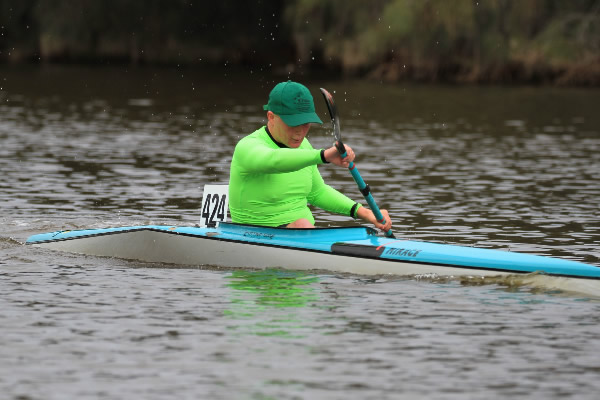
Jordy Hamer has only been paddling for about 3 months but he is already doing so well. Photo Rod Hale.
Para paddler Ryan Zilioli determined to finish the long course. Photo Rod Hale.
Jono, Matt and Chris. The three guys who beat me. Chris first, Jono second, Matt
third. Photo Rod Hale. Results here. https://www.webscorer.com/racedetails?raceid=295286&did=352496
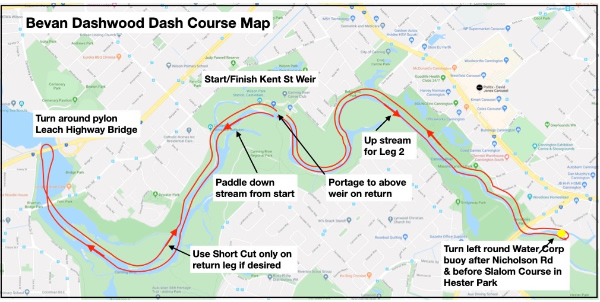
Bevan Daswood Race 6th November Kent Street Weir
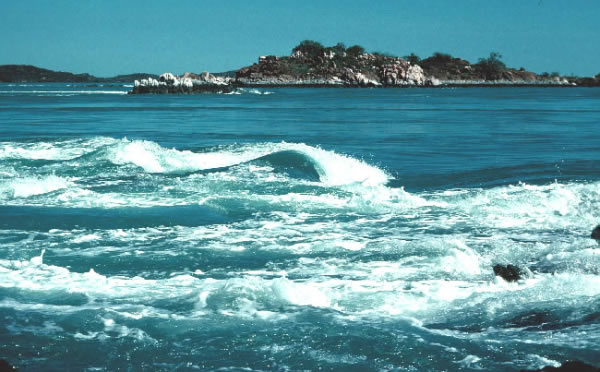
Tides Tides differ all around the world. In the Kimberley there are two tides a day. The Kimberley Coast has some of the highest tides in Australia; differences have been measured at around 13 metres in some places with a general tidal range of
over 10 metres. The ebb and flow of the massive tides are dictated by the pull of both the moon and the sun and are amplified by the shape of the coast and the unusually large and
shallow continental shelf which stretches over 350 kilometres offshore.
When the tide comes in or goes out it creates raging rapids and huge tidal flows and in some places it can attain speeds of over 15kmh. Spring tides occur every 14 days
at the new and full moons. Neap tides occur every 14 days at the halfmoon. Spring tides are exceptionally high tides because the sun, moon and Earth are aligned, and this causes the gravitational pulls of the sun and moon on the Earth to
be greatly multiplied. Earth experiences spring tides only during new and full moons. Because the sun and moon are at right angles together during a neap tide, the gravitational pulls partially cancel each other. The result is a very weak tide. Neap tides occur only during quarter moons.
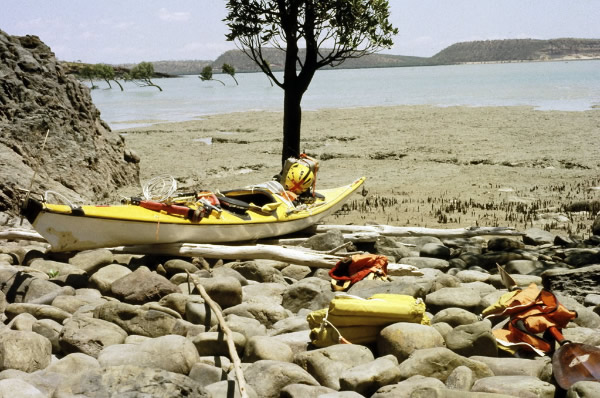
Waiting for the tide to come in. Using timbers to prevent boat damage.
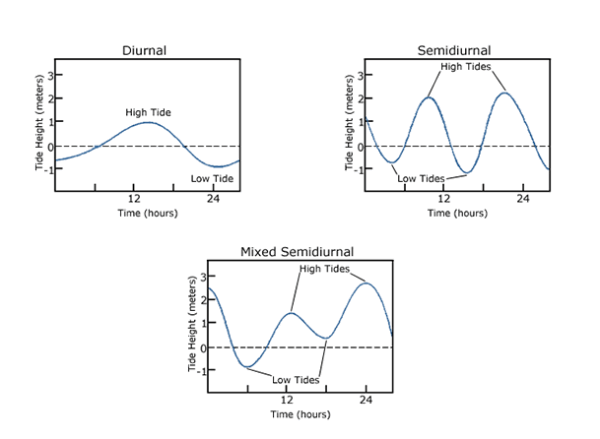
All tides are composed of both diurnal (once a day) and
semi-diurnal (twice a day) components. A diurnal tide is characterised by one high water (tide) and one low water (tide) per day. Typically with a diurnal tide each successive high or low tide is 24 hours and 50 minutes apart, this is the length of one lunar day.
What Are Diurnal Tides? Ocean tides are caused by the pull of gravity of the moon and the sun on the ocean's surface. As the moon is much closer than the sun to earth, its influence is far greater. The moon's gravitational force causes a bulge in the oceans surface on the side of the earth facing the current position of the moon. Due to the law of inertia, a bulge also
forms on the opposite side of the earth. At the peaks of each of these bulges is high tide, at the troughs, low tide. We experience high and low tides at the beach when these peaks and troughs reach our
shores. The Lunar Day
A solar day is a 24-hour period, the amount of time it takes for the earth
to rotate 360 degrees so that sunlight travels around the world and returns to the same spot. The moon rotates around the earth the same direction that the earth rotates around its axis. For this reason, a lunar day, the amount of time for the moon to make a full trip around the earth, is slightly longer than a solar day: 24 hours and 50 minutes.The Moon and the
Tides
Since the gravity of the moon causes the bulges in the ocean, it also takes 24 hours and 50 minutes for the bulges to make their way around the world. Since there are two bulges, there are two high tides and two low tides per 24-hour and 50-minute period. Thus, high tide occurs every 12 hours and 25
minutes. This is why the high and low tides do not occur at the same time each day.Types of Tides
If the earth was completely covered in ocean, with no continents to block the movement of water, there would be two high tides and two low tides per lunar day. However, in the real world, continents block the movement of water, complicating the tidal patterns. Due to this interference, there are three types of ocean tides. These are diurnal, semi-diurnal and mixed tides.Semi-Diurnal and Mixed Tides
Most tides are semi-diurnal or mixed.
Semi-diurnal tides are when the two high and two low tides are the same height. In mixed tides, the two high and two low tides are different heights.Diurnal Tides
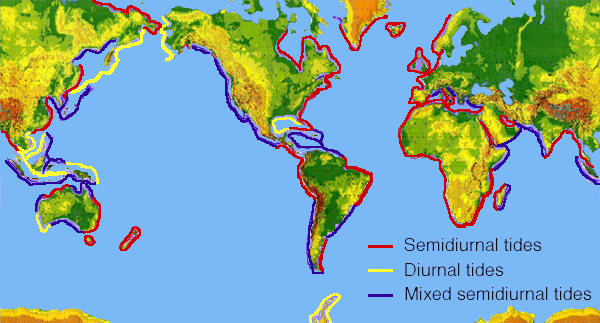
Diurnal tides occur when there is so much interference by continents, only one high tide and one low tide occur per day. In the Americas, diurnal tides only occur in the Gulf of Mexico and the coast of Alaska. In Australia Diurnal tides only occur along the mid/south west coast of Western Australia including Perth. See chart above.
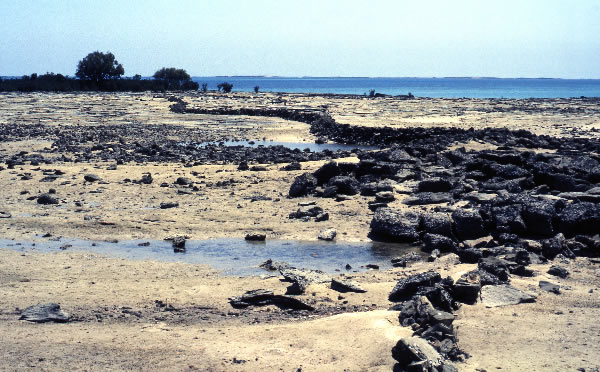
A fish trap at One Arm Point. When the tide comes in the fish swim over the stone wall and when it goes out some of those fish get trapped.
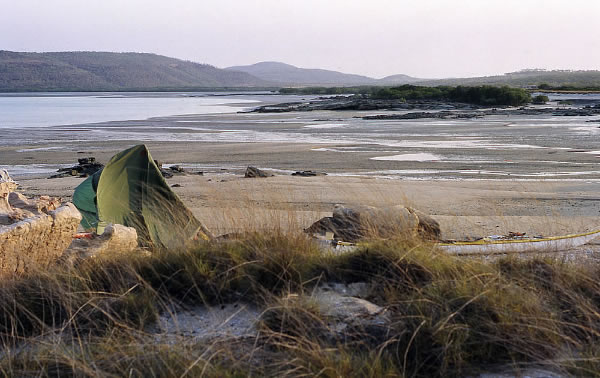
Fresh water was over one kilometre away yet with the tide out, there was no way I could paddle to it.
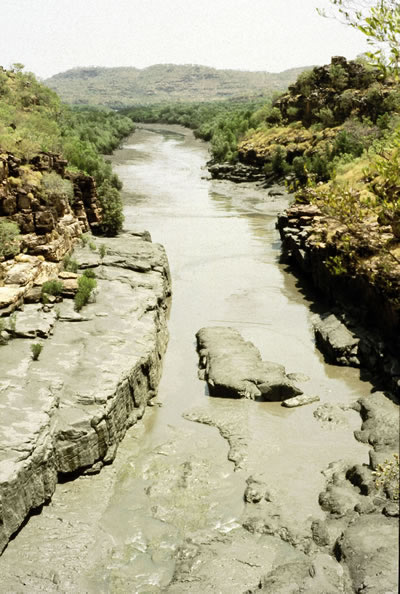
The water only reaches this point of Camp Creek, an off-shoot of the Prince Regent River when the tide is at full.
Mum leaves the two chicks for a bit of peace.
She tries to take a short nap.
Five small goslings keep close.
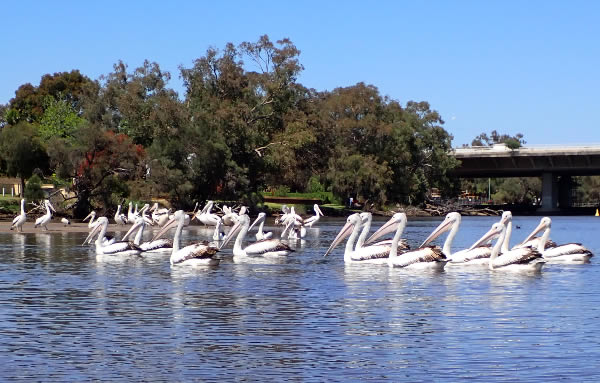
The meeting of 35 pelicans in Redcliffe.
Bevan Dashwood Dash
Sun Nov 6th A great two-leg course on the Canning. Second half in fresh water wilderness above the weir, spectacular. Short course option offers something for everyone ! Register
Sunday 13th November 2022
Club Carbon - $460 - 737g
- Carbon fibre blade, Green oval shaft
- Fully adjustable length & feather
- Includes Paddle Bag
|
|
|
|
|
|
|
|
|
|