|
|
|
|
Paddling for Prostate Cancer
This week I paddled 300 kilometres bringing my total kilometres paddled to 7590 kilometres.
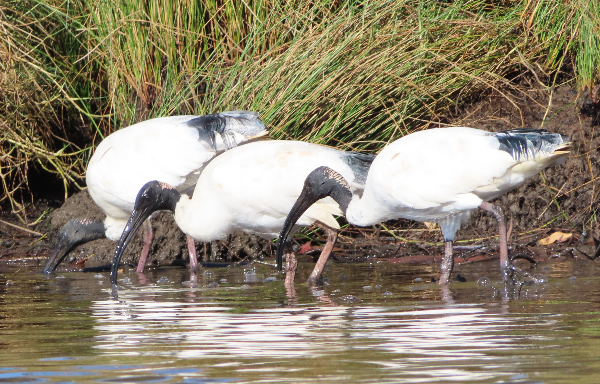
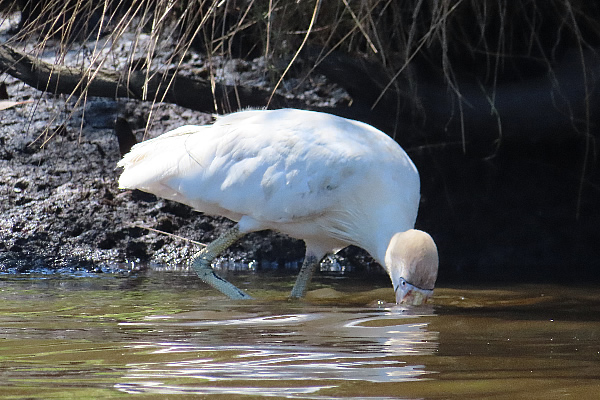
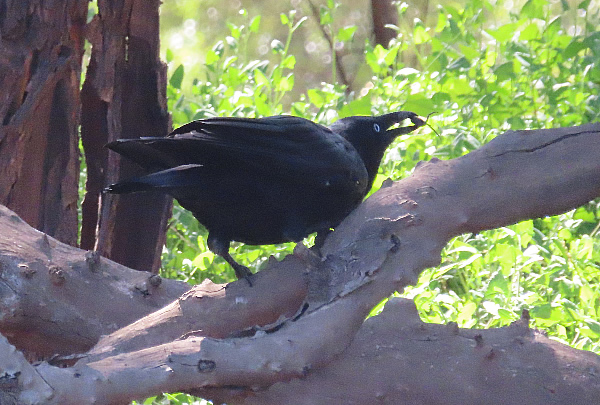
Sorry about all the bird pictures in this newsletter.
They are just a few that I have taken photos of.
It's surprising what birdlife is around.
When you look a little closer you find out.
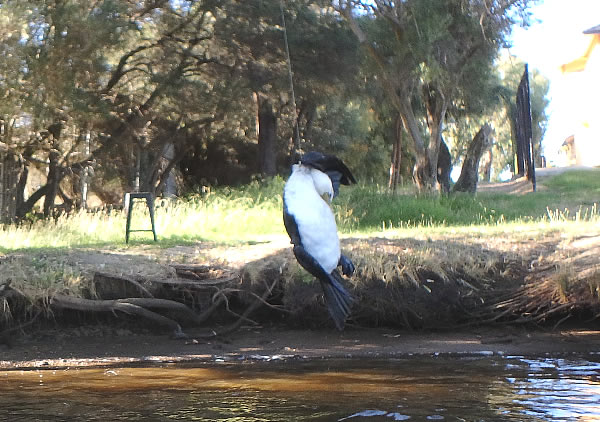
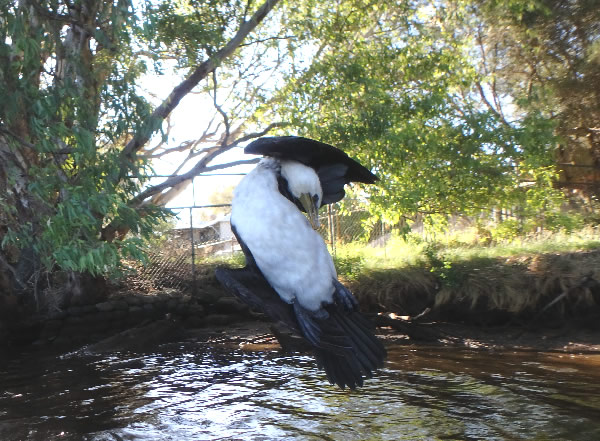
I've seen some beautiful birds this week but I also came across a cormorant that was hanging from a fishing line.
If you see any fishing line please cut it down as it is a danger to the wildlife.
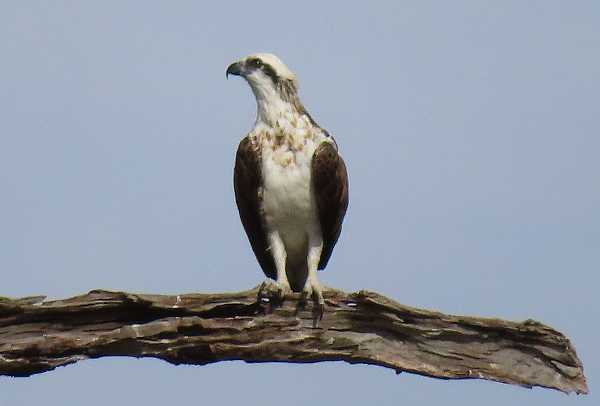
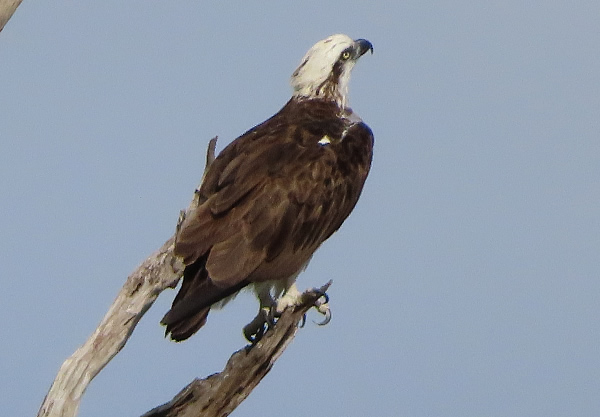
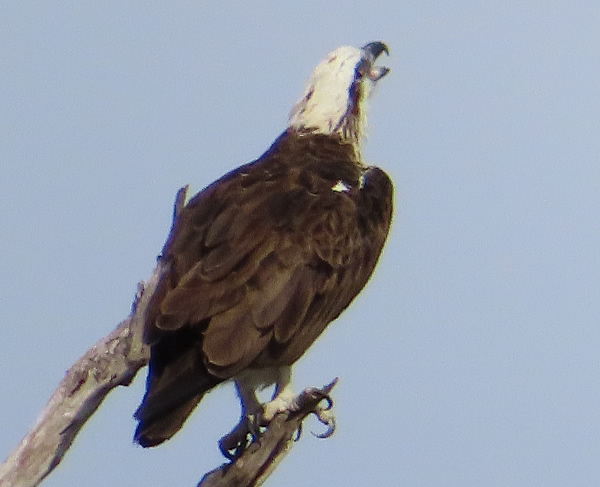
An Osprey on Ron Courtney Island on Monday night.
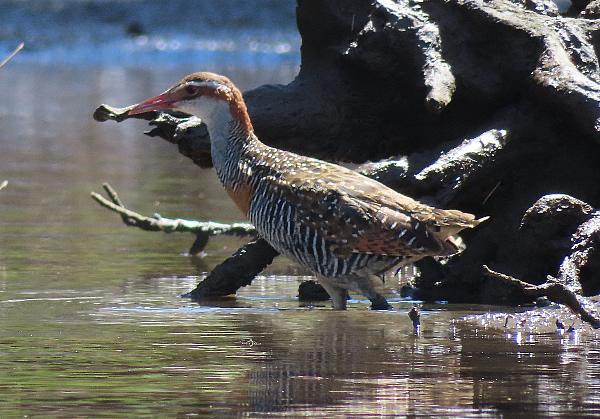
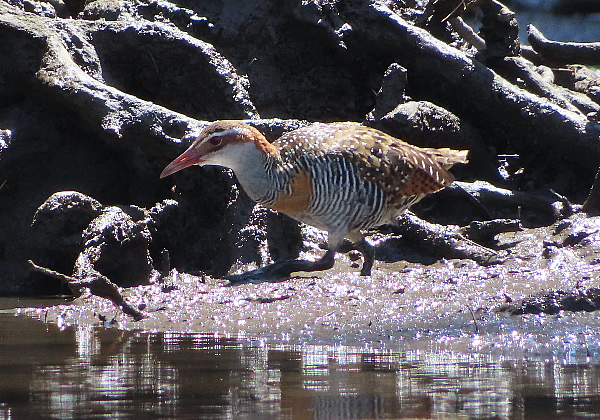
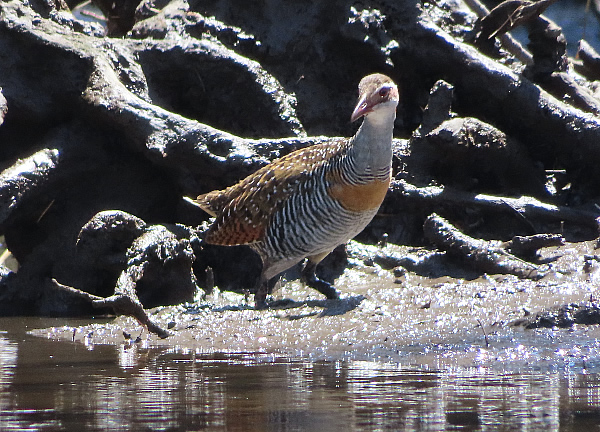
A Buff-banded Rail at South Guildford.
- Paddler Focus
- Sprint Coaching Session
- Australian Masters Games
- DR Around the Buoys
- Sandy Beach Bash
- On My Paddles - Birds Along the Way
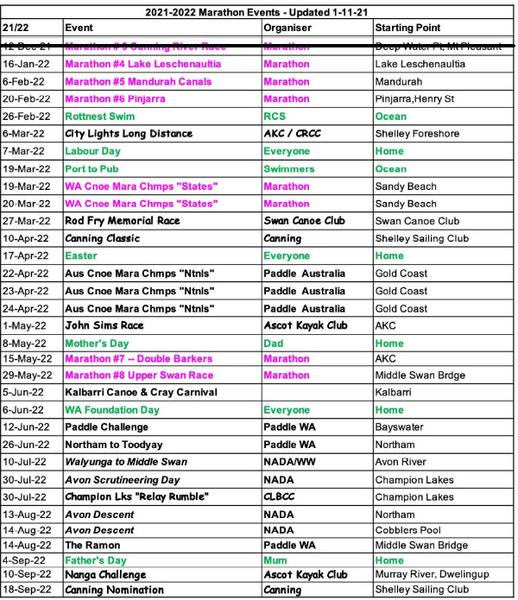
- Coming Events
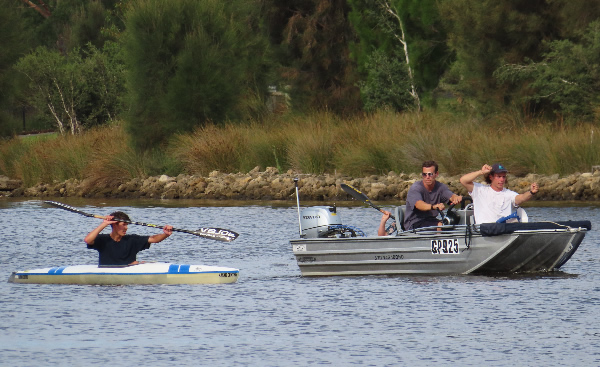
The Greed twins, Mathew and Nicholas teaching young paddlers good technique.
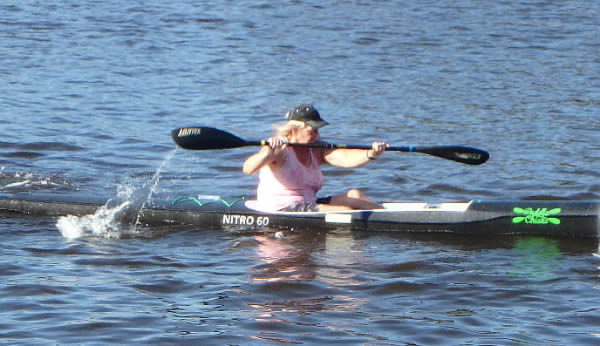
Wendy Burdett powers along.
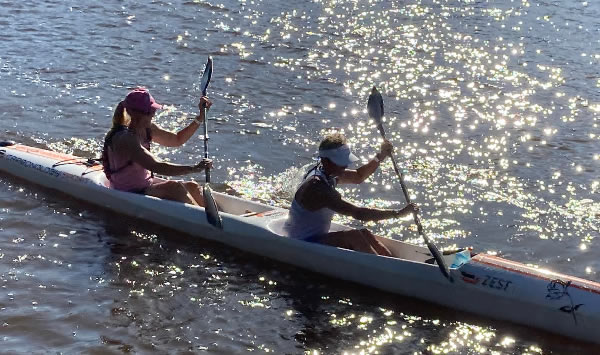
She is a powerhouse and will do very well at the WA Marathon Champs and the Australian Masters.
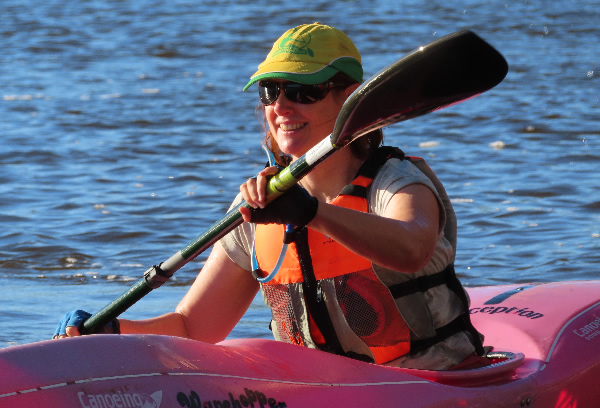
Kate Crossing has only been paddling just over a year and she is into all different types of paddling. You will see her with the PRG group, racing sprint and marathon, on the white water, developing her skills at the buoy sessions and everything in between.
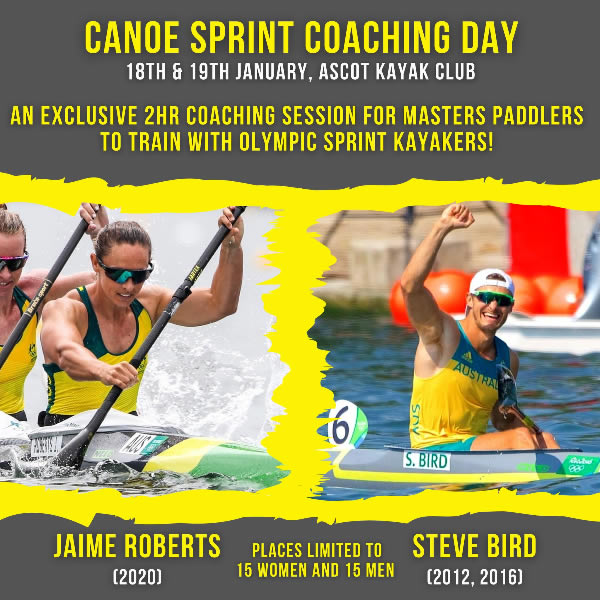
Canoe/Kayak Sprint Coaching Day
Paddle WA - Attention all masters!
The WA Sprint Technical Committee has organised an exclusive coaching opportunity for those racing at the 2022 WA Sprint Championships, to be coached by Olympians Jaime Roberts (2022) and Steve Bird (2012, 2016)!
Registration to the WA Sprint Championships will cover the cost for this one-off 2hr session, and you will need to register for the coaching in the link below. Places are limited to 15 men and 15 women, spots are filling up so register now for the Sprint Championships to get in on this fantastic opportunity!
Tuesday 18th January (Men, with Steve Bird)
Wednesday 19th January (Women, with Jaime Roberts)
Ascot Kayak Club, 5-7pm
Register for the sprint regatta by the 15th January AND register for the coaching session in the link below, don't miss out!
Australian Masters Games.
Be in it!
The 18th Edition of the Australian Masters Games will be held on the 23-30 April 2022 in Perth, WA.
The Masters Canoe/Kayak Marathon will be held on Sunday 24 April (singles) and Monday 25 April (Anzac Day) 2022 (doubles).
No portages are involved.
Venue - Ascot Kayak Club.
Early Bird Registration until 11th February 2022.
(It's cheaper.)
Enter here: https://australianmastersgames.fusesport.com/.../1392/web/
Down River arounds the Buoys
The FREE training sessions will be held over 6 consecutive Friday mornings at 6am from the 7th of January through until the 11th of February at Claughton Reserve, Bayswater.
There will also be 3 Monday night races coming up.
If you are wanting to take part in any or all of the remaining four training sessions, please follow the link below on Webscorer to register your details. You are only required to register once no matter how many sessions you plan on attending.
Today's results here:
https://www.webscorer.com/seriesresult?seriesid=263824&gender=O
Last weeks results here:
https://www.webscorer.com/seriesresult?seriesid=263823&gender=O
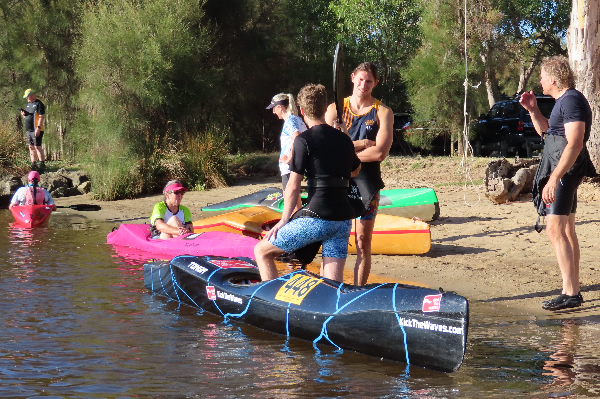
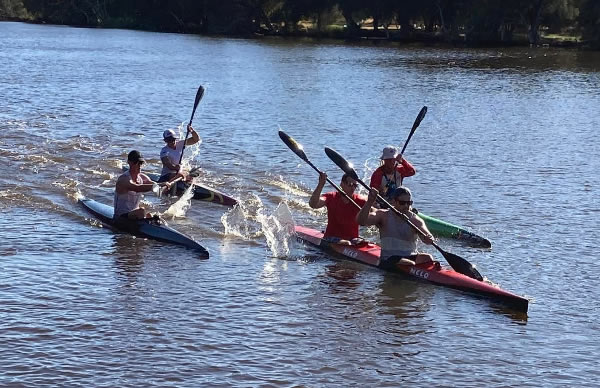
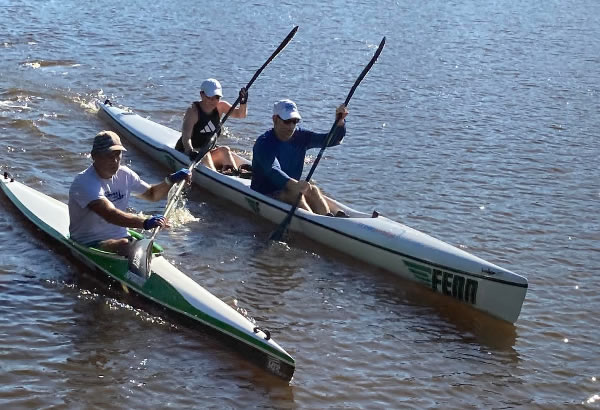
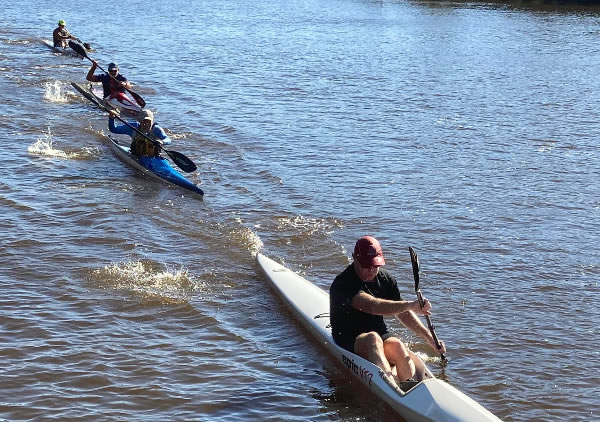
The top three paddlers of this mornings session, Christopher Greed, Harry Langley and Phil Langley discuss boat differences and advantages after the first race run.
23 paddlers took part in the session.
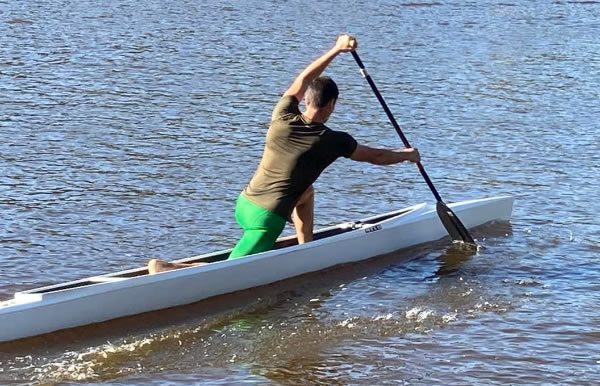
Matt Jones tries out a Wild Water Kayak (DR) for the first time.
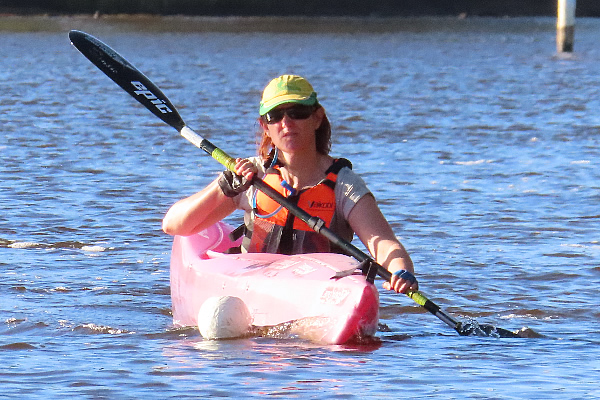
Steph Bedden first female in a Wavehopper.
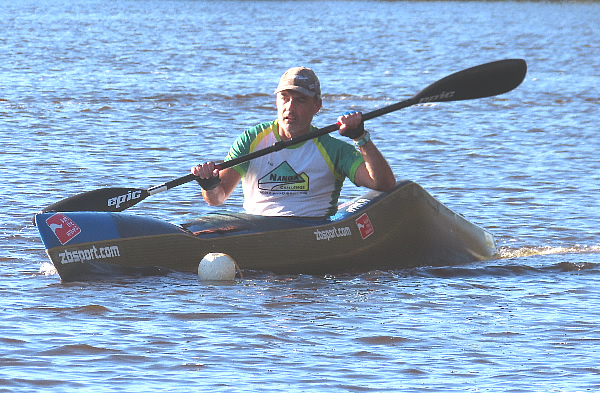
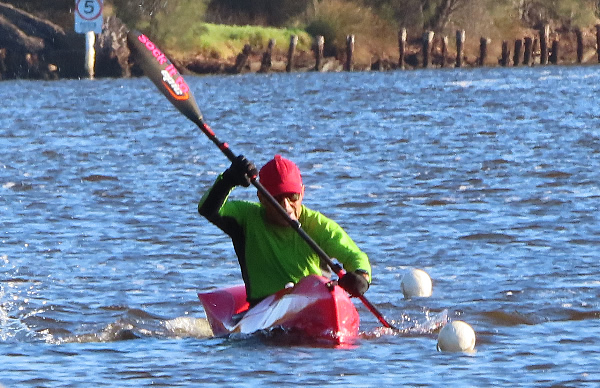
Doug Hodson sprinting between the buoys.
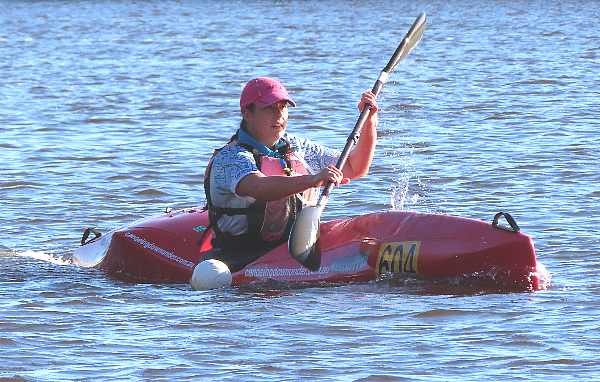
Kate Crossing. Only the second time in a Wavehopper and she is looking good.
Saturday Morning Bash
Sandy Beach
7.15am
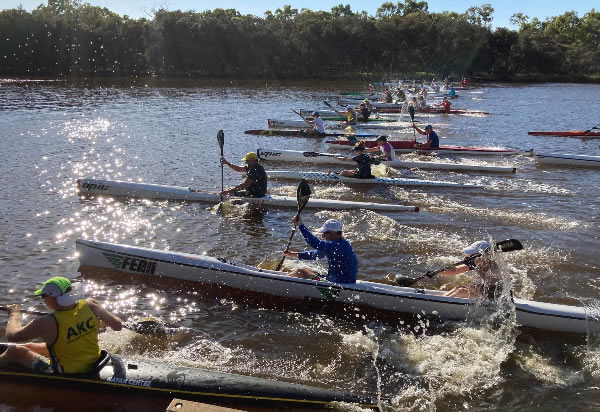
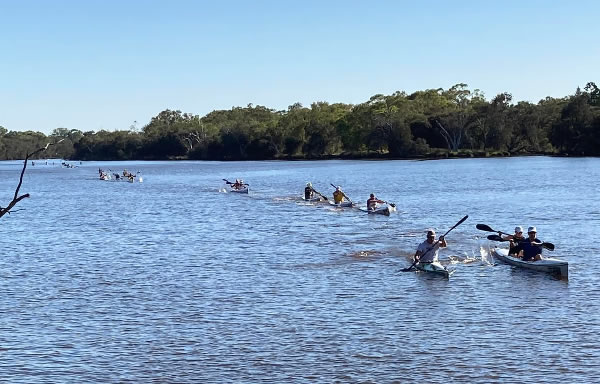
The start.
34 paddlers on the line.
Results here:
Photo Jane Liddle.
Mike Liddle & Josh Richards, leading have teamed up to compete in the WA Marathon Champs. Flanked by Brett McDonald, Anthony Clarke and Jamie Roberts.
Photo Jane Liddle.
Gergely Balázs Nagy. Look at that reach!
Photo Jane Liddle.
The line is pretty long.
Photo Jane Liddle.
Matt Jones and Ray & Anne Smith
Photo Jane Liddle.
Marie Andersson and Nicky Taylor.
Photo Jane Liddle.
Simon O'Sullivan, me, Peter Liddle and Chris Watson.
Photo Jane Liddle.
On My Paddles
Birds Along The Way
There were two Ospreys
at the south end of Ron Courtney Island. I hadn't seen Ospreys here for a couple of years so it was a pleasant surprise.
Although there is an Ospreys nest on the north end of the island it hasn't seen any action, although I have seen Whistling Kites and Ravens in it at times.
Buff-banded Rail
The Buff-banded Rail is a medium-sized stout rail with short legs. It has a distinctive grey eyebrow and an orange-brown band on its streaked breast. The lores, cheek and hindneck are rich chestnut. The chin and throat are grey, the upperparts streaked brown and the underparts barred black and white. The eye is red. Young birds are much paler to white underneath, with indistinct bars and only a faint orange-brown tint on the breast. Downy chicks are fluffy black.
This rail walks slowly, with tail raised and flicking constantly.
The Buff-banded Rail
feeds on crustaceans, molluscs, insects, seeds, fruit, frogs, carrion and refuse. It mostly feeds early in the morning and the evening.
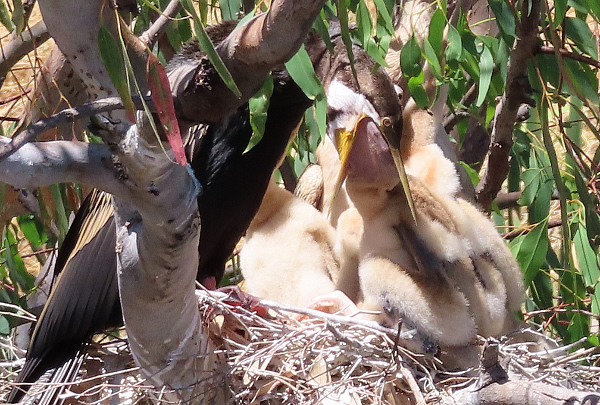
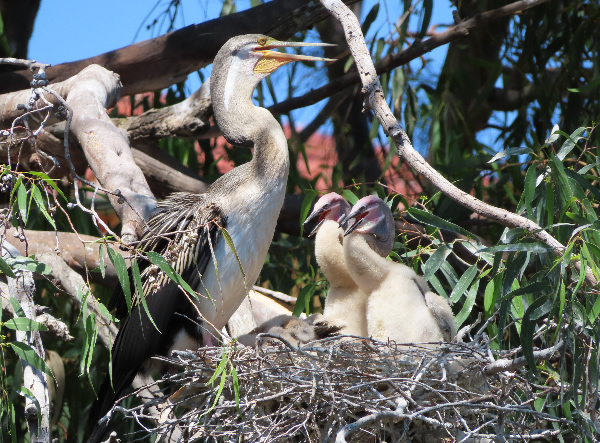
A Darter feeding its young.
A different nest and smaller chicks.
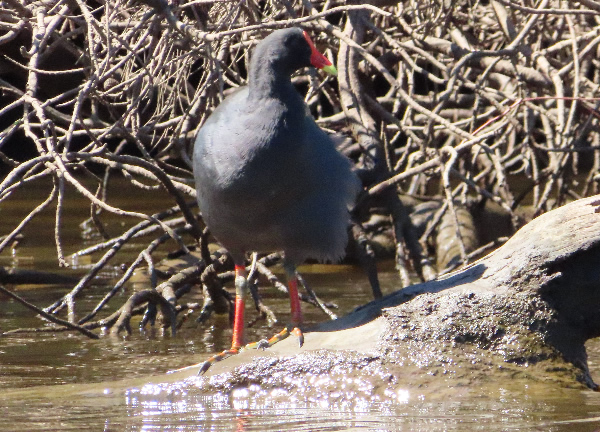
Dusky Moorhen
The Dusky Moorhen is a medium-sized, dark grey-black water bird with a white undertail. It has a red bill with a yellow tip and a red facial shield. Young birds are much duller and browner than adults, with a greenish bill and face shield.
The Dusky Moorhen feeds in the water and on land on algae, water plants and grasses, as well as seeds, fruits, molluscs and other invertebrates. It will also eat carrion (dead animals) and the droppings of other birds. It does not dive when feeding; its tail is always visible above the water when upended.
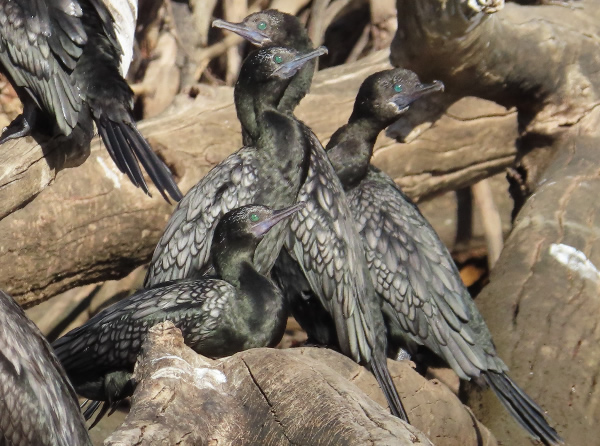
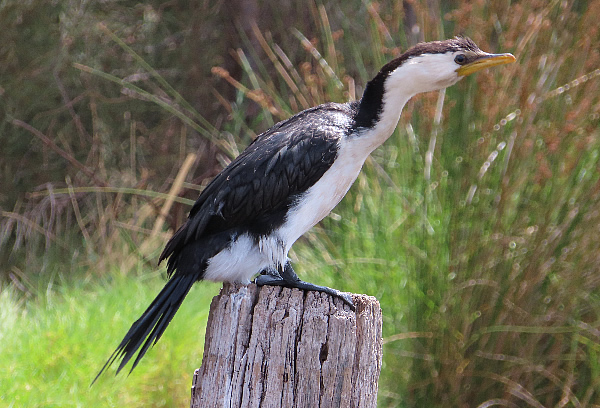
The Little Black Cormorant.
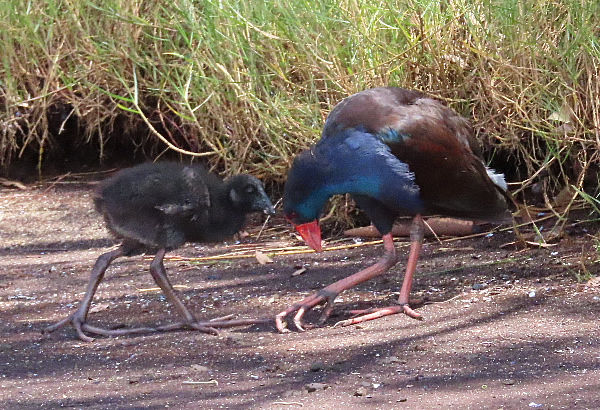
Purple Swamphen and chick.
Living on the west side of the Swan River in Bayswater.
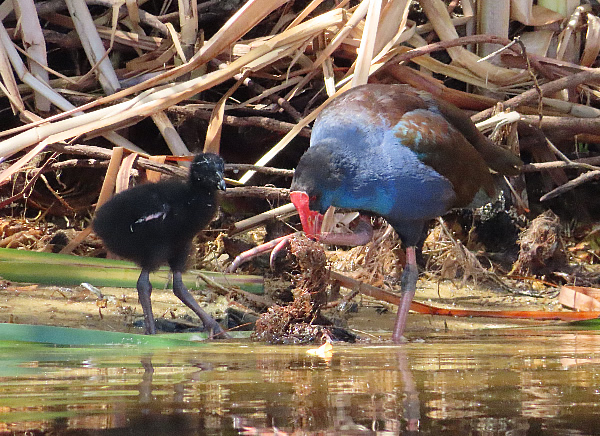
Purple Swamphen and chick.
There are two chicks in this family. Each chick seems to go around with a particular parent so its hard to get them in the same photo.
Living on the east side of the Swan River in Ascot opposite Bayswater.
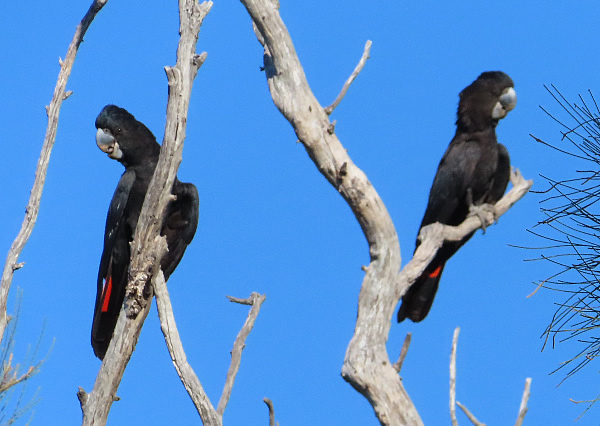
Red Tailed Black Cockatoos.
Red-tailed Black-Cockatoos mainly eat seeds, which are usually extracted from the hard seed pods of eucalypts, casuarinas and banksias, using its robust bill to tear them open. They sometimes also eat insect larvae, which are revealed by tearing open the branches of trees. In some regions, they forage on the ground, eating the seeds of various weeds, and in other places they are quite picky, preferring the seeds of particular species of trees.
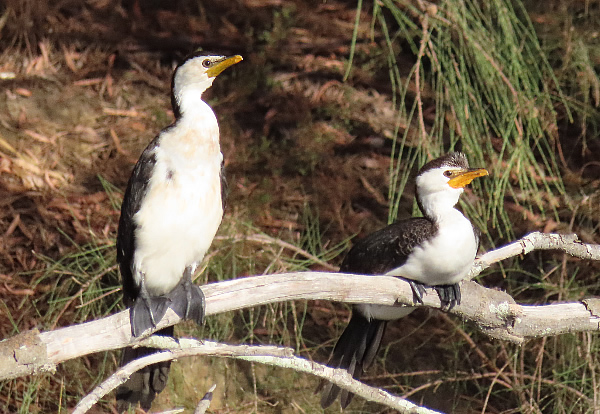
The Little Pied Cormorant
is one of the most common of Australia's waterbirds, occurring on water bodies of almost any size. It is entirely black above and white below. The face is dusky and, in adult birds, the white of the underside extends to above the eye. Immature birds resemble the adults except there is no white above the eye.
Little Pied Cormorants
feed on a wide variety of aquatic animals, from insects to fish. On inland streams and dams they turn to their most favoured food: yabbies (freshwater crayfish). These are caught by deep underwater dives with both feet kicking outward in unison. Other crustaceans are also taken, with shrimps being a large part of their diet in winter months.
Birdlife Australia
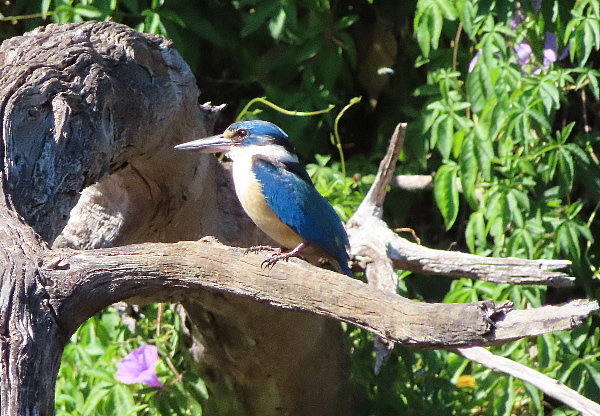
Sacred Kingfishers
forage mainly on the land, only occasionally capturing prey in the water. They feed on crustaceans, reptiles, insects and their larvae and, infrequently, fish. The birds perch on low exposed branch on the lookout for prey. Once prey is located, the Sacred Kingfisher swoops down and grasps it in its bill, returning to the perch to eat it.
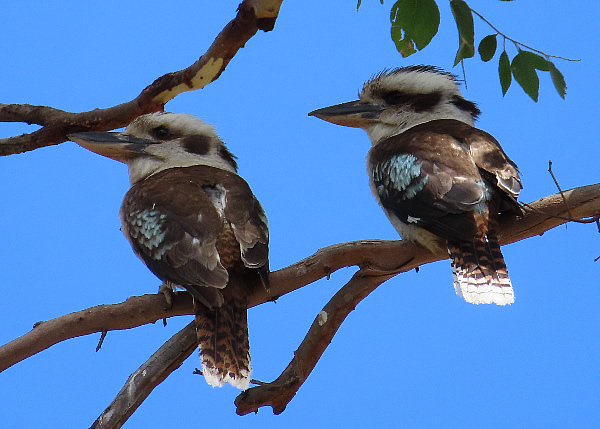
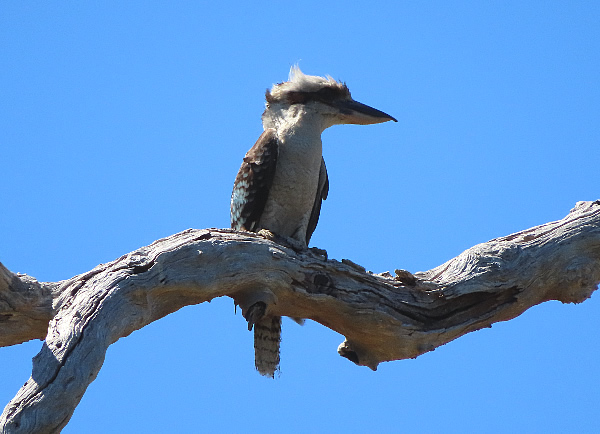
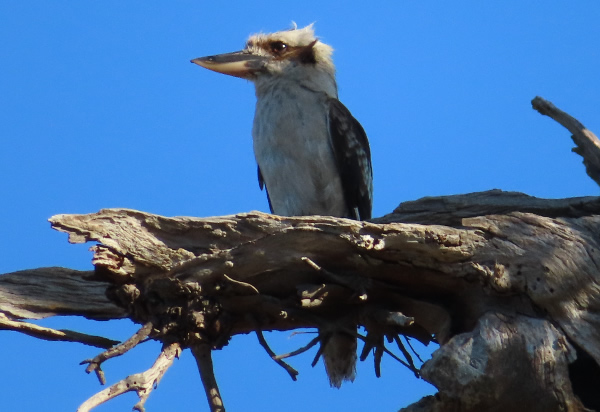
Kookaburras on Ron Courtney Island.
were widely introduced into Tasmania and Western Australia where they breed in tree hollows that would usually be used by parrots and owls, and they prey on small reptiles, mammals and nestlings, thus placing undue pressure on those creatures.
Kookaburras feed mostly on insects, worms and crustaceans, although small snakes, mammals, frogs and birds may also be eaten. Prey is seized by pouncing from a suitable perch. Small prey is eaten whole, but larger prey is killed by bashing it against the ground or tree branch.
Laughing Kookaburras are believed to pair for life. The nest is a bare chamber in a naturally occurring tree hollow or in a burrow excavated in an arboreal (tree-dwelling) termite mound. Both sexes share the incubation duties and both care for the young. Other Laughing Kookaburras, usually offspring of the previous one to two years, act as 'helpers' during the breeding season. Every bird in the group shares all parenting duties.
Birdlife Australia
Kookaburra at South Guildford.
Kookaburra at Fishmarket Reserve.
All three Kookaburra photos taken at different locations on Thursday.
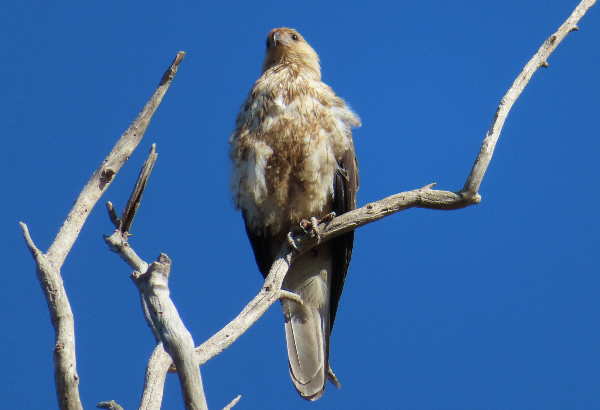
Whistling Kite near Lilac Hill, Guildford.
Little Pied Cormorants hung by a fishing line.
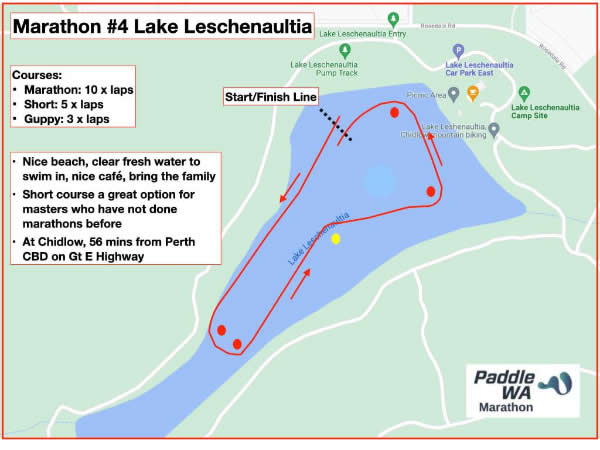
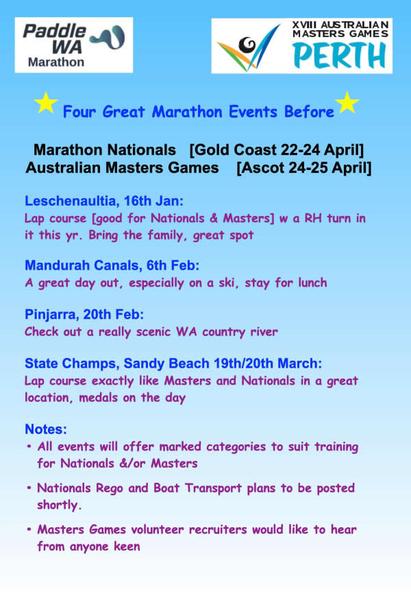
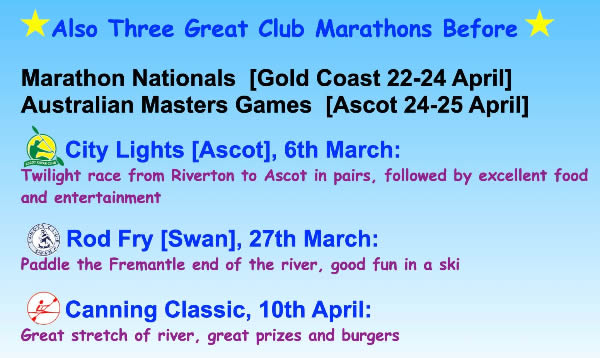
Register Lake Leschenaultia, Sun 16th
Great opportunity for Marathon Nationals & Masters Training
|
|
|
|
|
|
|
|
|
|